Prevent Cats from Scratching your Furniture
Is your cat turning your beloved sofa into their personal scratching post? You're not alone! Scratching is a natural and necessary behavior for cats, but it doesn't have to mean the destruction of your furniture. Understanding why cats scratch and providing them with appropriate alternatives can save your home and strengthen your bond with your feline friend. This guide will walk you through practical and compassionate strategies to redirect your cat's scratching habits, creating a harmonious home for both of you.
How to Stop Your Cat From Scratching Furniture:

- Understanding Why Cats Scratch
- Provide Appealing Scratching Alternatives
- Make Furniture Unattractive for Scratching
- Use Positive Reinforcement
- Regularly Trim Your Cat's Nails
- Consider Using Soft Nail Caps
- When to Seek Professional Help
Understanding Why Cats Scratch
Scratching is a normal, instinctive behavior for cats. It serves several important purposes:
- Marking Territory: Cats have scent glands in their paws, and scratching leaves both a visual mark and a scent that other cats can detect.
- Maintaining Claws: Scratching helps cats shed the outer layer of their claws, keeping them sharp and healthy.
- Stretching and Exercise: The act of scratching allows cats to stretch their muscles and tendons, particularly in their back and shoulders.
- Emotional Release: Cats may scratch when they're feeling excited, stressed, or frustrated.
Understanding these motivations is the first step in redirecting your cat's scratching to more appropriate surfaces.
Provide Appealing Scratching Alternatives
The key to saving your furniture is to offer your cat scratching options that they find more appealing. Here's how:
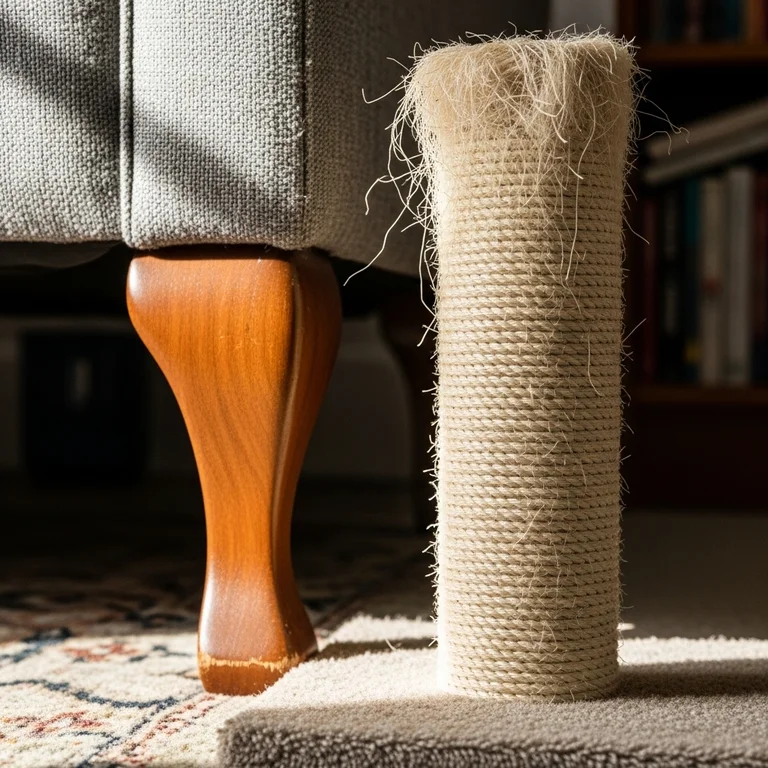
- Offer a Variety of Scratching Posts: Cats have different preferences when it comes to scratching surfaces. Experiment with different materials (sisal, cardboard, carpet), textures, and orientations (vertical, horizontal, angled) to see what your cat prefers.
- Make the Scratching Posts Appealing: Place the scratching posts in prominent locations, such as near your cat's favorite sleeping spot or in areas where they frequently scratch. You can also rub catnip on the posts to make them more enticing.
- Ensure Stability: Make sure the scratching posts are sturdy and won't wobble or tip over when your cat uses them. Cats prefer scratching posts that offer good resistance.
- Consider Placement: Observe where your cat likes to scratch and place scratching posts nearby. If they scratch the arm of the sofa, put a post right next to it.
Make Furniture Unattractive for Scratching
While providing appealing alternatives is essential, it's also important to make your furniture less attractive to your cat. Here are some strategies:
- Use Deterrents: Apply double-sided sticky tape, aluminum foil, or plastic sheeting to the areas your cat scratches. Cats dislike the feel of these materials on their paws.
- Try Scent Deterrents: Some cats are repelled by certain scents, such as citrus, menthol, or eucalyptus. Use a cat-safe spray with these scents on your furniture. Always test a small, inconspicuous area first to ensure it doesn't damage the fabric.
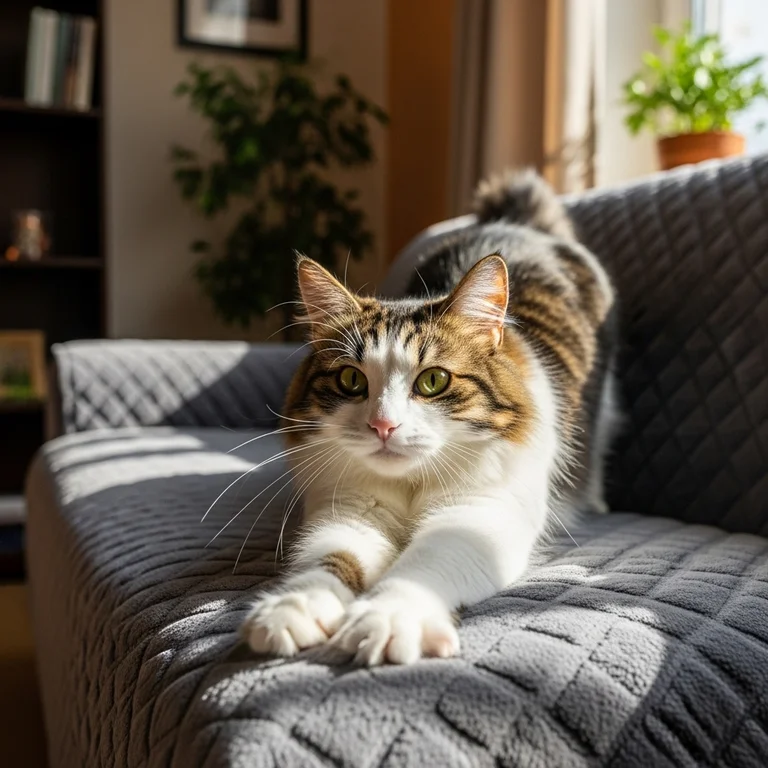
- Cover the Furniture: Use slipcovers or blankets to protect your furniture from scratching.
Use Positive Reinforcement
When your cat uses the scratching post, reward them with praise, treats, or petting. This will help them associate the scratching post with positive experiences and encourage them to use it more often.
- Catch Them in the Act: When you see your cat scratching the post, immediately praise them and offer a treat.
- Be Consistent: Consistently reward your cat for using the scratching post to reinforce the behavior.
Regularly Trim Your Cat's Nails
Keeping your cat's nails trimmed can significantly reduce the damage they can do to your furniture.
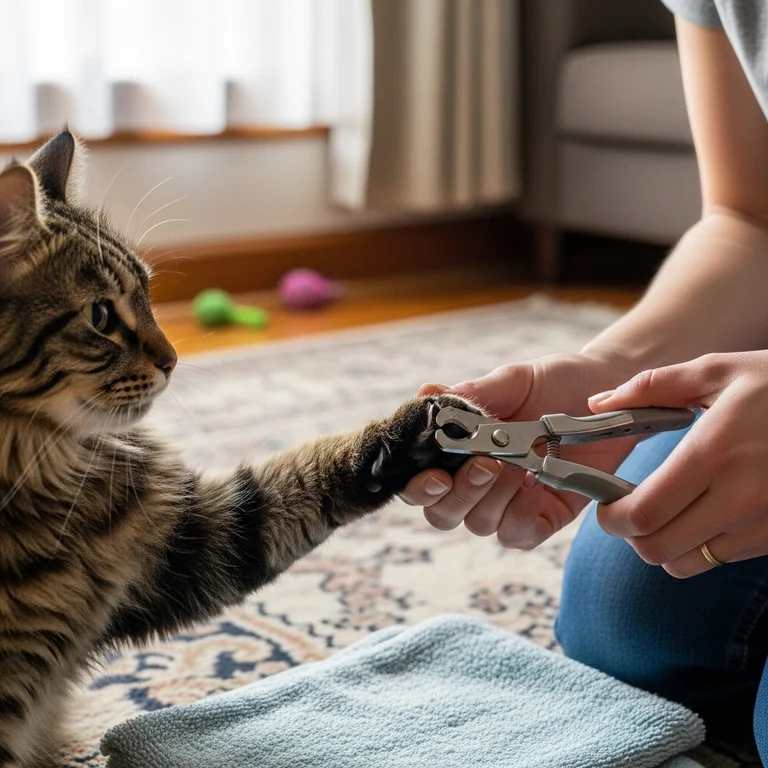
- Use Cat Nail Clippers: Use clippers specifically designed for cats to avoid injuring them.
- Trim Carefully: Only trim the tips of the nails, avoiding the pink quick, which contains blood vessels and nerves. If you're unsure how to trim your cat's nails, ask your veterinarian or a groomer for a demonstration.
- Make it a Positive Experience: Start trimming your cat's nails when they are relaxed and offer them treats and praise during the process.
Consider Using Soft Nail Caps
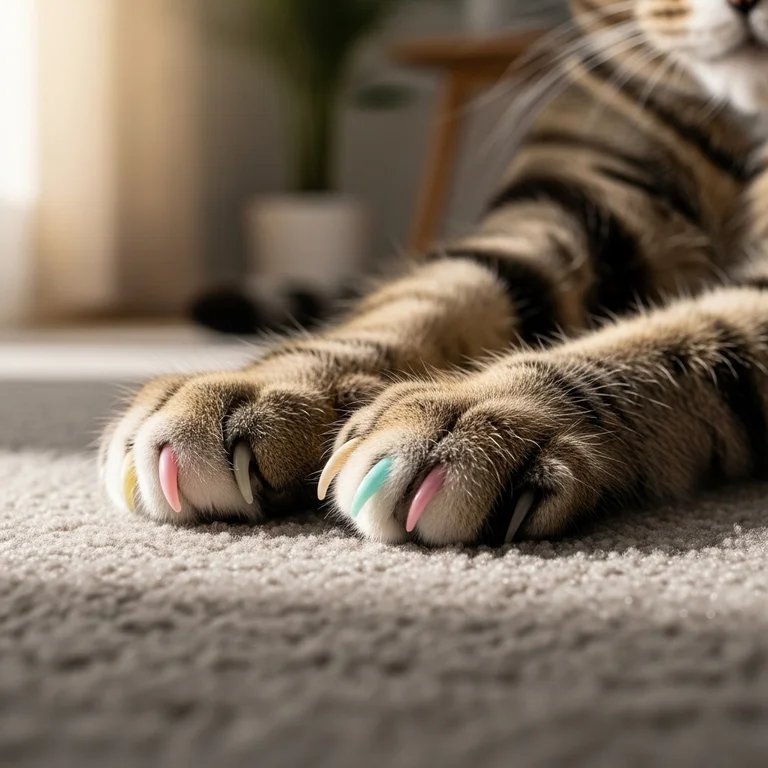
Soft Nail Caps are vinyl nail caps that are glued onto your cat's nails. They prevent scratching damage while still allowing your cat to extend and retract their claws.
- Application: It's easy to apply these at home, but some cats may resist the process. You can also have them applied by your veterinarian or a groomer.
- Safety: The caps are generally safe for cats, but it's important to monitor your cat for any signs of irritation or discomfort.
- Replacement: These nail caps need to be replaced every few weeks as your cat's nails grow.
When to Seek Professional Help
If you've tried these strategies and your cat is still scratching your furniture, consult with your veterinarian or a certified cat behaviorist. They can help you identify any underlying medical or behavioral issues that may be contributing to the problem and develop a customized plan to address them.
- Underlying Issues: Excessive scratching can sometimes be a sign of anxiety, stress, or a medical condition.
- Behavioral Modification: A behaviorist can provide guidance on how to modify your cat's behavior using positive reinforcement techniques.
By understanding your cat's scratching behavior and implementing these strategies, you can protect your furniture and create a happy, harmonious home for both you and your feline companion.
Further reference:
Find a cat companion with our quick, fun quiz!
Match me