Understanding Cat Language: Decoding their signals
Cats may be adorable little creatures, but they’re constantly talking - we just have to learn how to listen. While dogs are often expressive and easy to read, cats are subtler. Their communication is all about body posture, tail movement, ears, eyes, and even vocal sounds.
If you've ever wondered, "
What’s going on in that fluffy head?
", then this guide to understanding cat language is for you. Let’s break down the signals, one body part at a time.
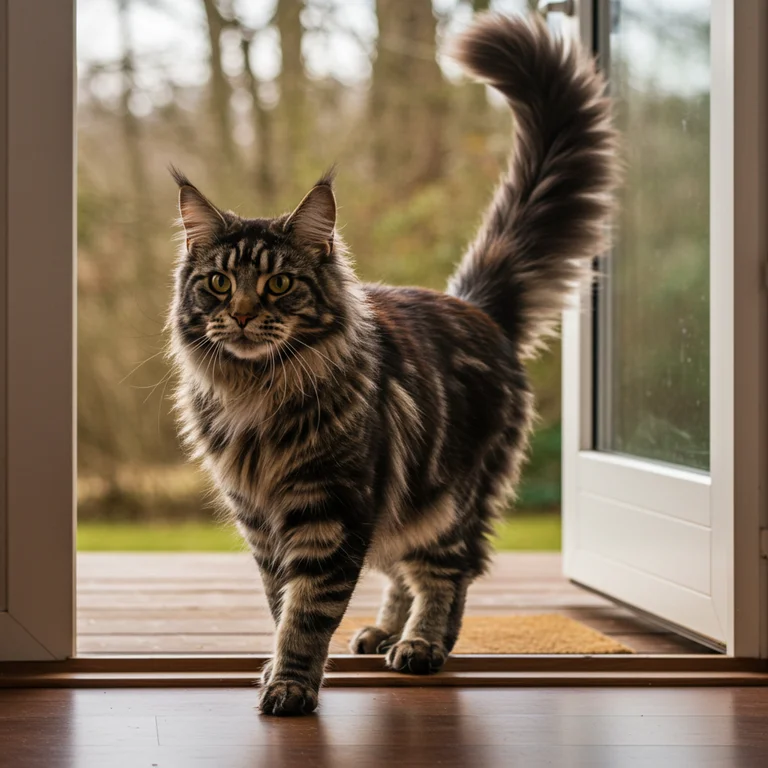
Tail Talk: The Mood Indicator
A cat’s tail is one of the most expressive parts of its body. Understanding tail movements and positions is a great starting point.
- Tail held straight up : Confident and happy.
- Tail upright with curved tip : Relaxed and curious.
- Puffed-up tail : Fear or aggression.
- Tucked tail : Anxiety or submission.
- Quick twitching/whipping : Irritation or over-stimulation.

Eyes: The Emotion Viewport
Eye movements and pupil size can offer big insights into your cat’s emotional state.
- Slow blinking : Trust and relaxation.
- Dilated pupils : Excitement, stress, or fear.
- Half-closed eyes : Calm and content.
- Intense stare : Potential aggression or fear.

Body Posture: The Full Picture
Reading your cat's full body posture helps contextualize ears, tail, and eye signals.
- Lying on side : Content and relaxed.
- Belly up : Trust (not always a belly rub invite!).
- Crouched, ears back : Anxiety or fear.
- Arched back with fur up : Defensive or scared.
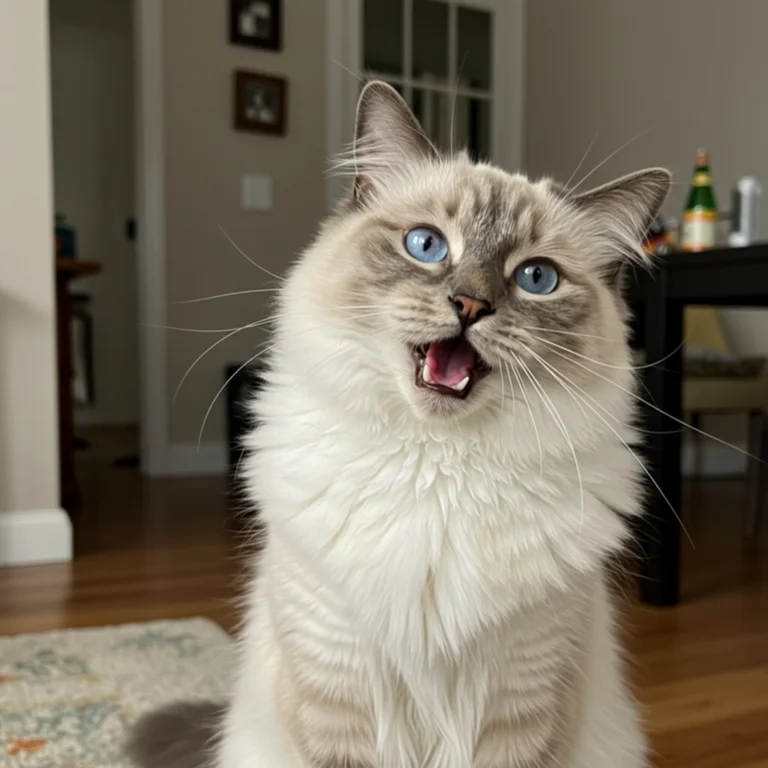
Vocal Clues: When They Do Speak
Cats may not talk like humans, but their vocalizations are just as meaningful.
- Purring : Comfort, or sometimes pain.
- Chirping/trilling : Friendly or curious greeting.
- Meowing : Attention-seeking, communication with humans.
- Hissing/growling : Serious discomfort or fear.
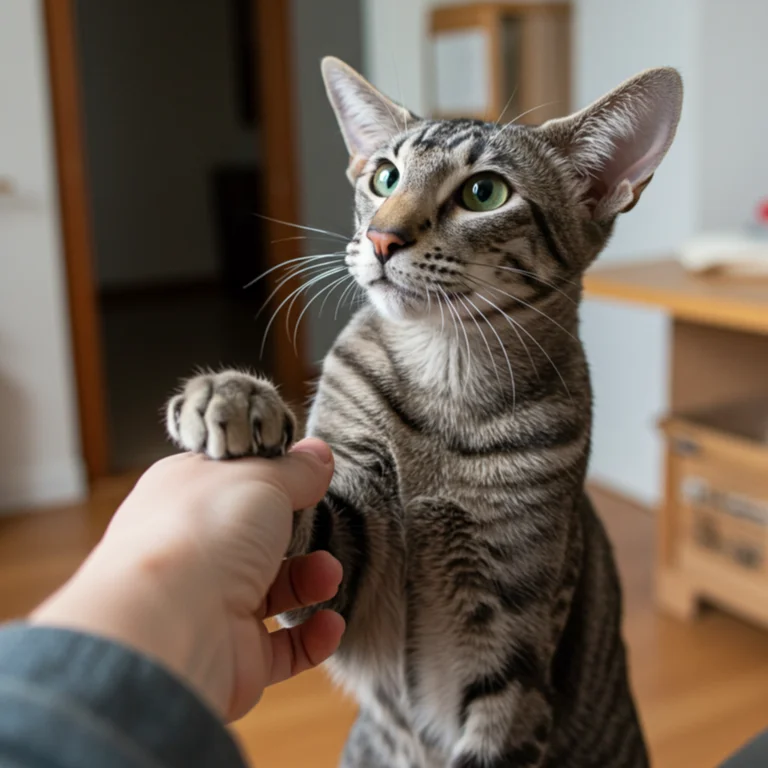
Bonus Tip: Context Is Everything
Reading your cat’s body language isn’t about one signal - it’s about the combination of cues. A twitching tail might mean annoyance - or it might mean excitement if they’re also crouched and laser-focused on a toy.
Quick examples:
- Tail up + ears forward + relaxed eyes = happy cat.
- Flat ears + arched back + puffed tail = scared cat.
- Dilated pupils + crouch + wagging tail = ready to pounce/play.
Final Thoughts: Your Cat’s Observation
Remember, understanding cat language isn’t just useful - it makes your relationship stronger. When your cat feels understood, they’re more confident, affectionate, and less stressed. You'll avoid mis-steps (like unwanted belly rubs) and learn to appreciate their moods and be caring companion to each other.
Just remember:
every cat is unique.
Some are cuddly, others are independent. The more time you spend observing, the better you’ll "understand" your cat.
Find a cat companion with our quick, fun quiz!
Match me