Best Ways to Care for a Senior Cat
Our feline friends bring us so much joy, companionship, and endless entertainment. As they gracefully age, their needs change, and it's up to us to adapt our care to ensure their golden years are as comfortable and fulfilling as possible. This blog post will guide you through the essentials of caring for your senior cat, helping you understand their unique requirements and how to provide the best possible support.
Best ways to Care for a Senior Cat:

- What is a 'Senior' Cat?
- Common Health Issues in Senior Cats
- Recognizing Signs of Age-Related Changes
- Veterinary Care for Senior Cats
- Creating a Comfortable Home Environment
- Nutrition for Senior Cats
- Grooming Your Senior Cat
- Mental and Emotional Well-being
- When It's Time to Say Goodbye
- Things to Remember
Just like humans, cats experience a natural aging process. While they may still have that playful spark in their eyes, their bodies and minds undergo changes that require our attention and care. Understanding these changes and adapting our routines will help our senior feline companions live their best lives. This guide will cover everything from recognizing the signs of aging to providing the right nutrition and creating a comfortable environment.
What is a 'Senior' Cat?
The definition of a 'senior' cat can vary slightly, but generally, cats are considered to be in their senior years around the age of 11. By the time they reach 15, they're often classified as 'geriatric.' However, it's important to remember that every cat ages at their own pace. Some may show signs of aging earlier than others, while some remain spry well into their teens.
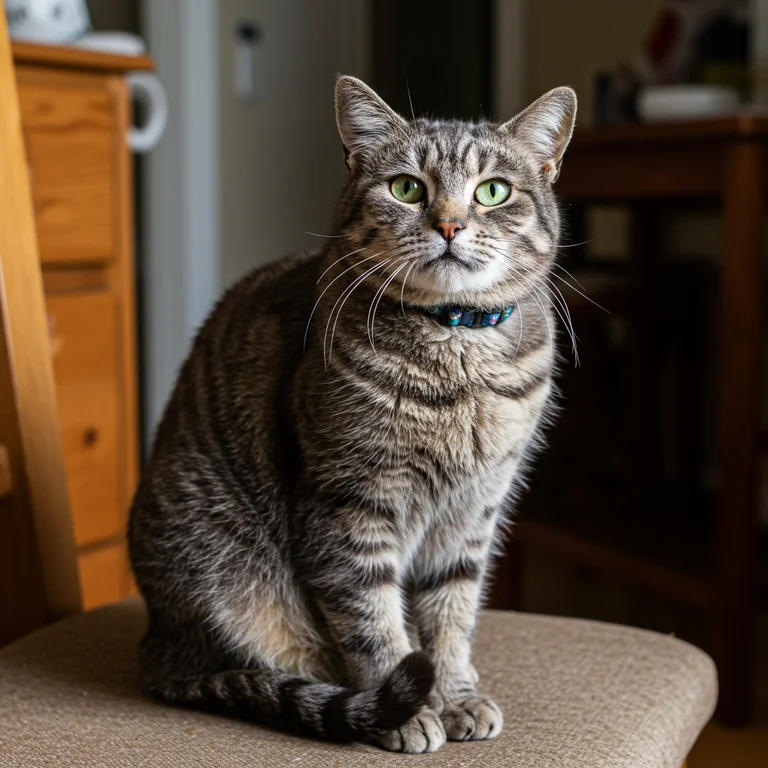
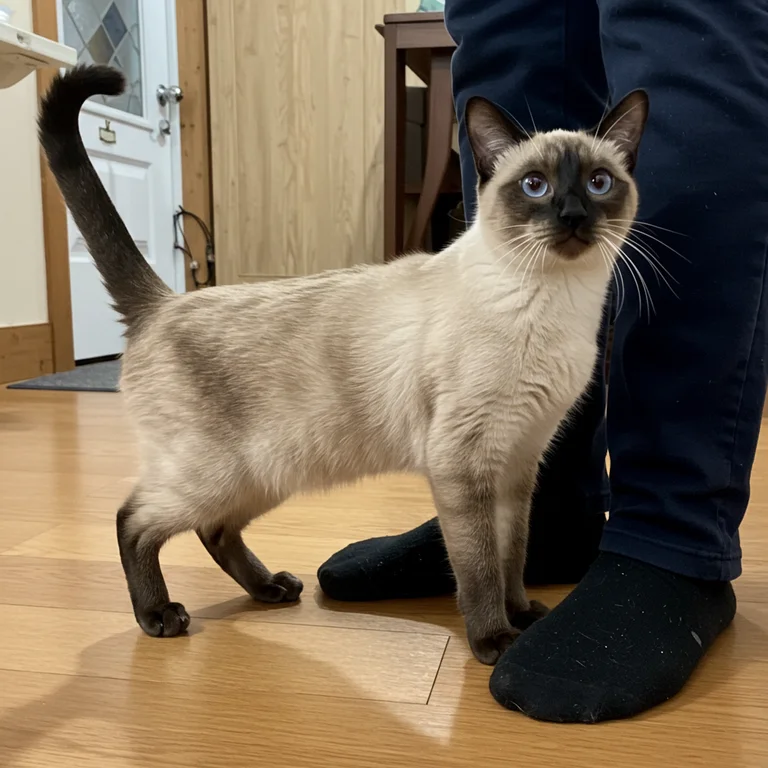
Common Health Issues in Senior Cats
Senior cats are more prone to certain health conditions. Regular check-ups are crucial for early detection and management. Some common issues include:
- Kidney Disease: This is a very common problem in older cats. For more comprehensive information, you can visit the Cornell University College of Veterinary Medicine website on kidney disease:
- Arthritis: Joint pain and stiffness can significantly impact mobility. Learn more about feline arthritis at the American Animal Hospital Association (AAHA):
- Hyperthyroidism: An overactive thyroid gland can cause weight loss, increased appetite, and hyperactivity. The American Veterinary Medical Association (AVMA) provides detailed information:
- Diabetes: Senior cats can develop diabetes, requiring careful management. The ASPCA offers insights into feline diabetes:
- Heart Disease: Various heart conditions can affect older cats. For detailed information, consider this resource from the Cummings School of Veterinary Medicine at Tufts University:
- Cancer: The risk of cancer increases with age. The Veterinary Cancer Society provides information on various types of cancer in cats:
- Dental Disease: Gum disease and tooth loss are common. The American Veterinary Dental College (AVDC) has resources on feline dental health:
- Cognitive Dysfunction Syndrome (CDS): Sometimes called 'feline dementia,' this can cause confusion, disorientation, and changes in behavior. Learn about CDS at the Cornell University College of Veterinary Medicine:
- Sensory Decline: Vision and hearing may deteriorate.
Recognizing Age-Related Changes
It's important to be observant and watch for any changes in your cat's behavior or physical condition. Some common signs of aging in cats include:
- Changes in weight: This could be weight loss or gain.
- Decreased activity level: Your cat may sleep more and play less.
- Stiffness or difficulty moving: They may hesitate to jump or climb stairs.
- Changes in grooming habits: They might groom less, or more, than usual.
- Changes in appetite or water intake: Any significant increase or decrease is worth noting.
- Litter box changes: This could include accidents outside the box, or changes in the frequency or amount of urine or stool.
- Changes in sleep patterns: They might sleep more during the day and less at night.
- Increased vocalization: Meowing more often, especially at night.
- Behavioral changes: Confusion, disorientation, or increased irritability.
- Bad breath: Can be a sign of dental disease.
Veterinary Care for Senior Cats
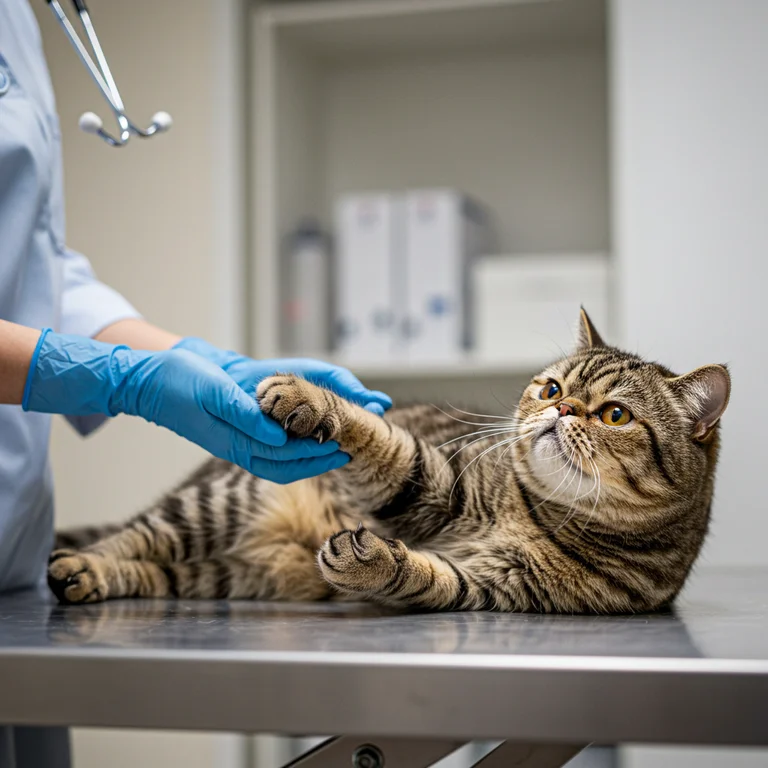
Regular veterinary check-ups are essential for all cats, but they become even more critical as your cat ages. Here's what senior cat veterinary care typically involves:
- More Frequent Check-ups: Your vet may recommend check-ups every six months instead of annually.
- Comprehensive Physical Exams: Your vet will thoroughly examine your cat, checking their weight, heart, lungs, and joints.
- Blood and Urine Tests: These tests can help detect underlying health problems early on, even before symptoms appear.
- Dental Exams and Cleanings: Regular dental care is crucial to prevent pain and infection.
- Vaccinations: Your vet will advise on the appropriate vaccination schedule for your senior cat.
- Vision and Hearing Checks: Your vet will assess your cat's sensory functions.
- Discussion of Age-Related Changes: This is your chance to ask questions and discuss any concerns you have about your cat's health or behavior.
- Pain Management: If your cat has arthritis or other painful conditions, your vet can recommend appropriate pain relief options.
Creating a Comfortable Home Environment
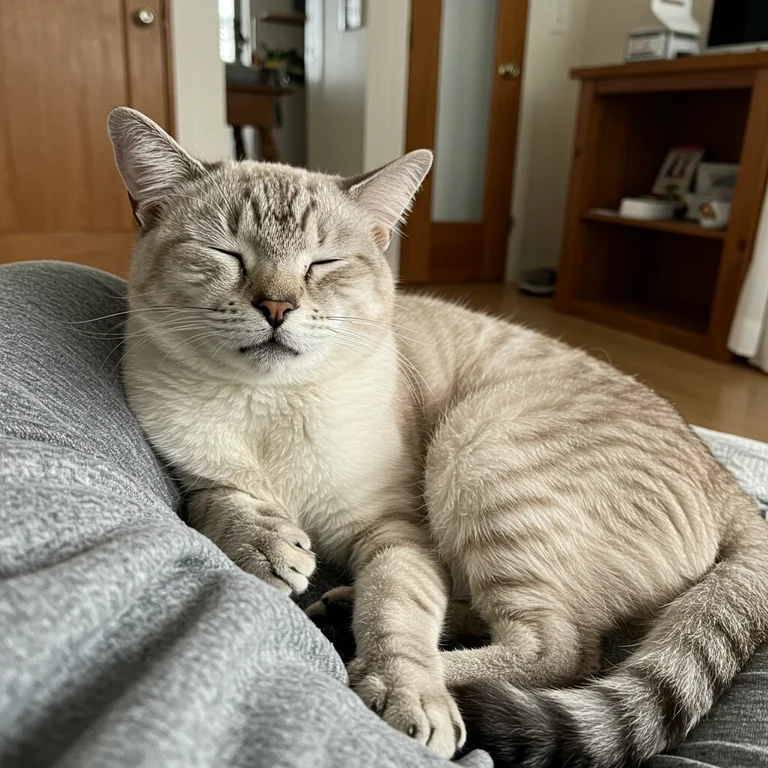
Making some adjustments to your home can significantly improve your senior cat's comfort and quality of life.
- Provide Comfortable Bedding: Offer soft, warm beds in easily accessible locations. Orthopedic beds can be especially helpful for cats with arthritis.
- Ensure Easy Access to Resources: Place food and water bowls, and litter boxes on each level of your home, so your cat doesn't have to climb stairs.
- Make Litter Boxes Accessible: Use litter boxes with low sides that are easy for older cats to enter and exit.
- Provide Ramps or Steps: If your cat enjoys perching on furniture, provide ramps or steps to help them get up and down safely.
- Maintain a Consistent Routine: Senior cats often thrive on routine, so try to keep their feeding, playtime, and rest schedules consistent.
- Keep Them Warm: Older cats can get cold more easily, so ensure your home is kept at a comfortable temperature. Provide extra blankets or heated beds if needed.
- Reduce Stress: Keep the environment calm and quiet, minimizing loud noises or sudden changes.
- Safe Spaces: Ensure your cat has places where they can retreat to if they feel overwhelmed or need some peace.
Nutrition for Senior Cats
A balanced diet is crucial for maintaining your senior cat's health. Their nutritional needs may differ from those of younger cats.
- Senior-Specific Food: Consider switching to a cat food formulated specifically for senior cats. These foods are often lower in calories (to prevent weight gain) and contain nutrients that support joint health and cognitive function.
- High-Quality Protein: Ensure their food contains high-quality protein to maintain muscle mass.
- Easily Digestible Food: Senior cats may have more sensitive digestive systems, so easily digestible food is important.
- Hydration: Encourage water intake. You can do this by providing fresh water, offering wet food, or using a cat water fountain.
- Monitor Weight: Keep an eye on your cat's weight and adjust their food intake as needed. Both weight loss and weight gain can be signs of underlying health problems.
- Supplements: Talk to your veterinarian about whether supplements, such as glucosamine for joint health or omega-3 fatty acids, might benefit your senior cat.
Grooming Your Senior Cat
Regular grooming is essential for all cats, but it takes on added importance in their senior years.
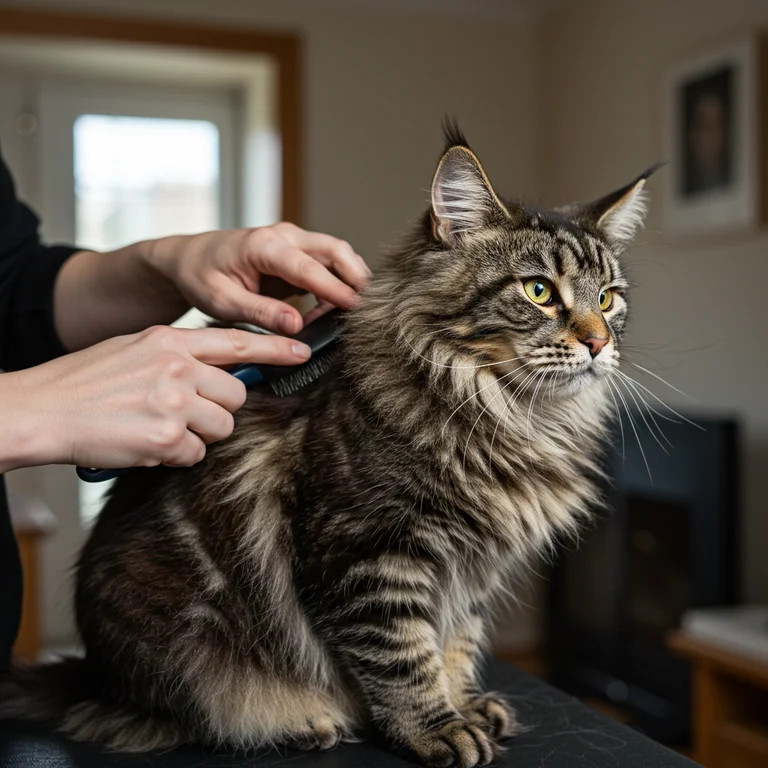
- Gentle Brushing: Brush your cat regularly to remove loose hair, prevent mats, and stimulate circulation. Senior cats may have a harder time grooming themselves.
- Nail Trimming: Keep your cat's nails trimmed to prevent them from getting caught or causing discomfort.
- Dental Care: Continue regular dental care, including brushing their teeth (if they tolerate it) and providing dental treats or toys.
- Eye and Ear Cleaning: Gently clean any discharge from your cat's eyes or ears as needed.
- Check for Lumps or Bumps: While grooming, take the opportunity to check your cat for any new lumps, bumps, or skin changes.
- Pay Attention to Coat Condition : A dull or matted coat can indicate underlying health issues.
- Make it Comfortable : Keep grooming sessions short and gentle, and stop if your cat becomes stressed. Grooming can also be a wonderful bonding experience for you and your cat.
Mental and Emotional Well-being
Just like their physical health, your senior cat's mental and emotional well-being is important.
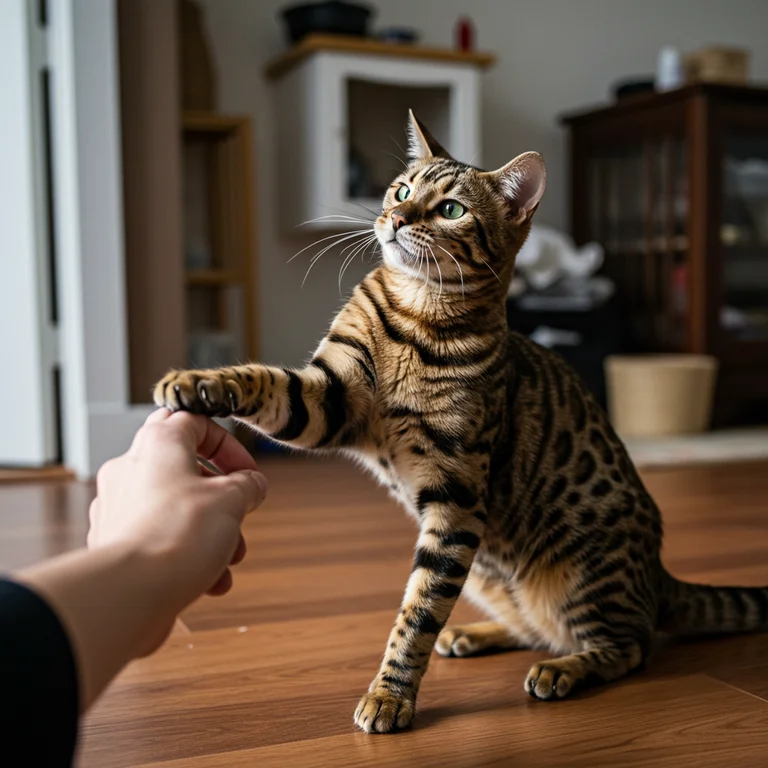
- Provide Mental Stimulation: Even if your cat is less active, provide gentle playtime and interactive toys to keep their mind engaged.
- Maintain Social Interaction: Spend quality time with your cat, petting them, talking to them, and providing affection.
- Observe for Signs of Cognitive Decline: Watch for signs of confusion, disorientation, or changes in behavior. If you notice any of these signs, talk to your veterinarian.
- Patience and Understanding: Be patient and understanding with your senior cat. They may have changes in behavior or require more assistance.
- Reduce Stress: A calm and predictable environment can help reduce stress and anxiety in senior cats.
- Love and Affection: The most important thing you can give your senior cat is your love and affection.
When It's Time to Say Goodbye
This is undoubtedly the most difficult part of caring for a senior cat. The decision to euthanize is a personal one, and it's essential to consider your cat's quality of life. Talk to your veterinarian about your cat's condition and prognosis. They can help you assess your cat's comfort level and provide guidance.
Signs that your cat's quality of life may be declining include:
- Loss of interest in eating or drinking
- Inability to control elimination
- Persistent pain that cannot be managed
- Difficulty breathing
- Loss of mobility
- Loss of interest in interacting with you or their surroundings
- Spending most of the time hiding or withdrawn
This is a very difficult decision, and your vet can help you make the right one for your beloved companion.
Things to Remember
Caring for a senior cat is a labor of love. By understanding their unique needs, providing appropriate care, and being attentive to their changing condition, you can help your feline friend enjoy a comfortable, happy, and fulfilling life in their golden years. Remember to work closely with your veterinarian, be patient and understanding, and cherish the time you have together. The bond you share with your senior cat is a precious gift, and providing them with the best possible care is the greatest way to show your love and gratitude.
Find a cat companion with our quick, fun quiz!
Match me