How to Groom your Cat Like a Pro
We all admire the sleek, well-maintained coat of a cat. Often, we think cats are perfectly capable of keeping themselves clean, and to a certain degree, they are! But they do need our help - it's a crucial part of your cat's overall health and well-being. A regular grooming routine can prevent painful matting, reduce hairballs, help you detect skin problems early, and even strengthen the bond between you and your furry friend.
Maybe you're thinking, "
My cat hates being brushed!
" or "
I don't have time for all that!
" Perhaps you're overwhelmed by the sheer number of grooming tools available. These are common concerns, and we're here to help. Together we'll break down the essential grooming methods for all cat breeds, provide tips for making the process enjoyable (or at least tolerable!) for your cat, and offer solutions to common grooming challenges. From dealing with stubborn mats to minimizing shedding, we've got you covered. So, let's get started and learn how to keep your cat looking and feeling their best!
How to Groom your Cat Like a Pro:

- Why Groom Your Cat? The Benefits Explained
- Essential Cat Grooming Tools: What You Need
- Brushing Techniques: From Short to Long Hair
- Bathing Your Cat: When and How
- Nail Trimming: Keeping Those Claws in Check
- Ear Cleaning: A Gentle Approach
- Dental Care: Part of the Grooming Routine
- Dealing with Mats and Tangles: Untangling the Issue
- Grooming Challenges and Solutions: Making it Easier
- Creating a Grooming Schedule: Consistency is Key
Why Groom Your Cat? The Benefits Explained
Beyond just keeping your cat looking their best, regular grooming offers a multitude of benefits:
- Reduces Hairballs: Brushing removes loose fur that your cat would otherwise ingest while self-grooming, minimizing the formation of hairballs.
- Prevents Matting: Regular brushing prevents mats from forming, which can be painful and difficult to remove, especially in long-haired breeds.
- Stimulates Circulation: Brushing helps stimulate blood flow to the skin, promoting a healthy coat.
- Distributes Natural Oils: Brushing distributes natural oils throughout the coat, keeping it healthy, shiny, and moisturized.
- Early Detection of Skin Problems: Grooming provides an opportunity to check for lumps, bumps, fleas, ticks, or other skin abnormalities.
- Strengthens the Bond: Grooming can be a bonding experience for you and your cat, strengthening your relationship.
- Reduces Shedding: Regular brushing helps remove loose fur before it ends up on your furniture and clothes.
Essentially, grooming is an act of love that contributes significantly to your cat's health, comfort, and overall quality of life.
Essential Cat Grooming Tools: What You Need
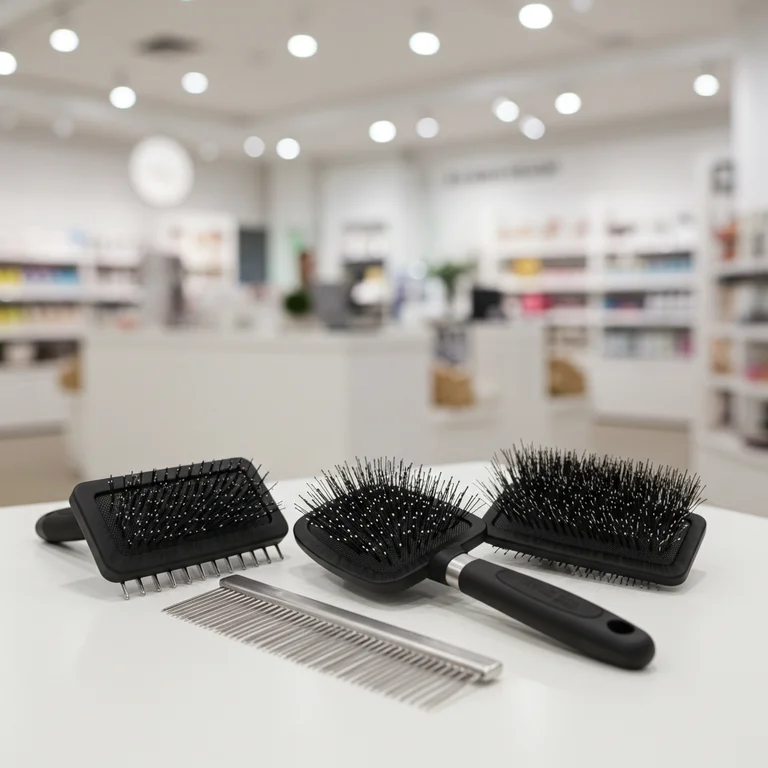
Having the right tools makes grooming much easier and more effective. Here's a list of essential grooming tools to keep on hand:
- Slicker Brush: Excellent for removing loose fur and detangling knots, especially in medium to long-haired cats.
- Bristle Brush: A good all-purpose brush for smoothing the coat and distributing natural oils.
- Grooming Comb: Useful for finding and removing mats and tangles. Look for a comb with both wide and narrow teeth.
- Rubber Grooming Brush/Mitt: Gentle and effective for removing loose fur, especially during shedding season.
- Nail Clippers: Designed specifically for trimming cat nails. Scissor-type or guillotine-type clippers are common options.
- Ear Cleaning Solution: A veterinarian-approved ear cleaning solution for gently cleaning your cat's ears.
- Cotton Balls: For cleaning your cat's ears.
- Cat Shampoo: Only use shampoo formulated specifically for cats. Avoid human shampoo, which can be too harsh.
- Towels: Soft and absorbent towels for drying your cat after a bath.
- Mat Splitter/Remover: A tool with sharp blades designed to carefully cut through mats. Use with extreme caution.
Consider your cat's coat type when selecting your grooming tools. Long-haired cats will require a more robust set of tools than short-haired cats.
Brushing Techniques: From Short to Long Hair
The best brushing technique depends on your cat's coat length and type:
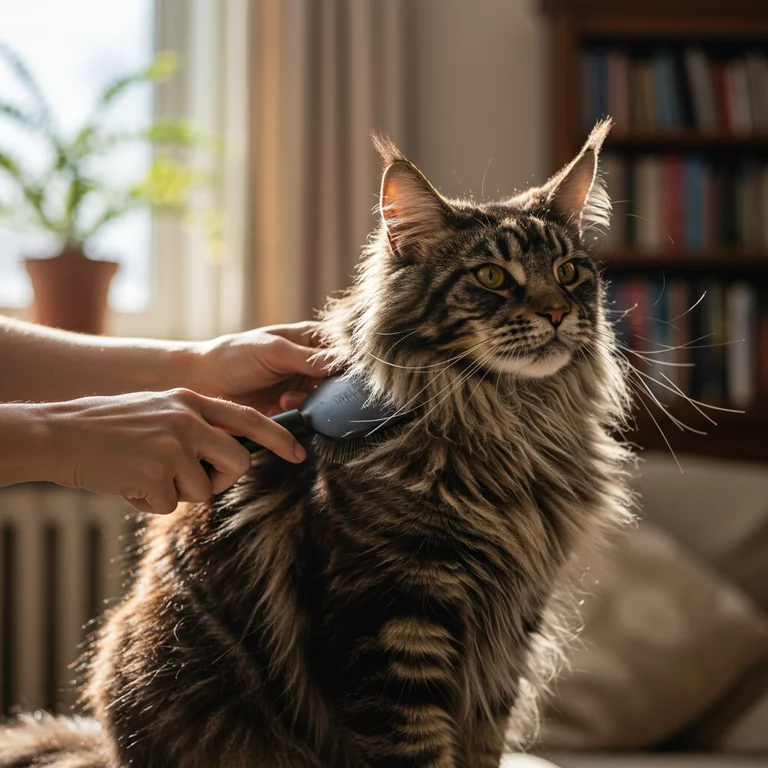
- Short-Haired Cats: Use a rubber grooming brush or mitt to loosen and remove loose fur. Follow with a bristle brush to smooth the coat and distribute oils. Brush in the direction of hair growth. Aim to brush a few times a week.
- Medium-Haired Cats: Use a slicker brush to remove loose fur and prevent tangles. Follow with a bristle brush to smooth the coat. Pay extra attention to areas prone to matting, such as behind the ears, under the legs, and around the tail. Brush several times a week.
- Long-Haired Cats: Daily brushing is essential to prevent mats and tangles. Use a slicker brush to carefully remove loose fur and detangle knots. Use a grooming comb to check for any remaining tangles. Pay special attention to areas prone to matting. Consider using a detangling spray.
No matter the coat type, always be gentle and avoid pulling your cat's fur. Start with short brushing sessions and gradually increase the duration as your cat becomes more comfortable. Reward your cat with treats and praise during and after brushing.
Bathing Your Cat: When and How
Most cats are naturally clean and don't require frequent baths. However, there are times when a bath is necessary:
- When your cat gets into something sticky or smelly.
- When your cat has fleas or other skin conditions (as recommended by your veterinarian).
- When your cat is unable to groom themselves due to age or illness.
Here's how to bathe your cat:
- Prepare: Gather your supplies (cat shampoo, towels, a cup or pitcher) and brush your cat beforehand to remove loose fur.
- Wet: Gently wet your cat's fur with lukewarm water. Avoid getting water in their eyes or ears.
- Shampoo: Apply a small amount of cat shampoo and gently massage it into their fur.
- Rinse: Thoroughly rinse your cat's fur with lukewarm water until all the shampoo is gone.
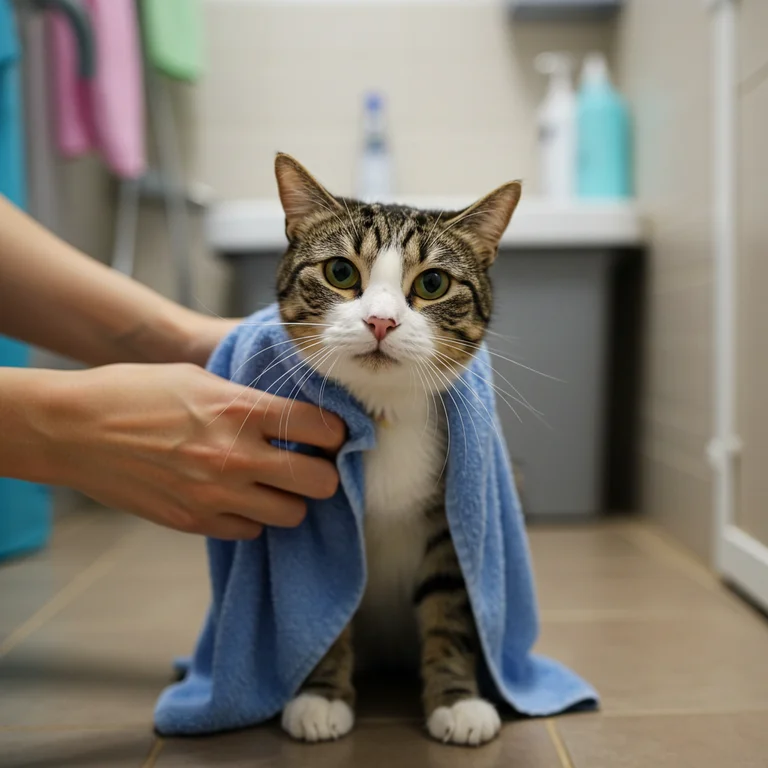
- Dry: Wrap your cat in a towel and gently pat them dry. You can use a hair dryer on a low, cool setting if your cat tolerates it.
Make the experience as calm and stress-free as possible. Talk to your cat in a soothing voice and offer treats for good behavior. If your cat is extremely resistant to bathing, consider spot cleaning with a damp cloth or consulting with a professional groomer.

Nail Trimming: Keeping Those Claws in Check
Regular nail trimming is important for preventing your cat's claws from becoming overgrown and painful. It also protects your furniture from being scratched!
Here's how to trim your cat's nails:
- Gather Your Supplies: Nail clippers and styptic powder (in case you accidentally cut the quick).
- Get Your Cat Comfortable: Hold your cat in a comfortable position and gently massage their paw.
- Extend the Claw: Gently press on the paw pad to extend the claw.
- Trim the Tip: Carefully trim the tip of the claw, avoiding the pink "quick," which contains blood vessels and nerves.
- Repeat: Repeat for all claws.
If you accidentally cut the quick, apply styptic powder to stop the bleeding. If you're unsure about trimming your cat's nails, ask your veterinarian or a groomer for a demonstration.
Ear Cleaning: A Gentle Approach
Regular ear cleaning helps prevent ear infections and keeps your cat's ears healthy. Here's how to clean your cat's ears:
- Gather Your Supplies: Veterinarian-approved ear cleaning solution and cotton balls.
- Inspect the Ears: Check your cat's ears for signs of redness, discharge, or odor, which could indicate an infection.
- Apply Solution: Gently fill the ear canal with ear cleaning solution.
- Massage: Gently massage the base of the ear for about 30 seconds.
- Wipe: Use a cotton ball to gently wipe away any debris from the ear canal.
Never use cotton swabs (Q-tips) to clean your cat's ears, as they can push debris further into the ear canal. If you notice any signs of an ear infection, consult with your veterinarian.
Dental Care: Part of the Grooming Routine
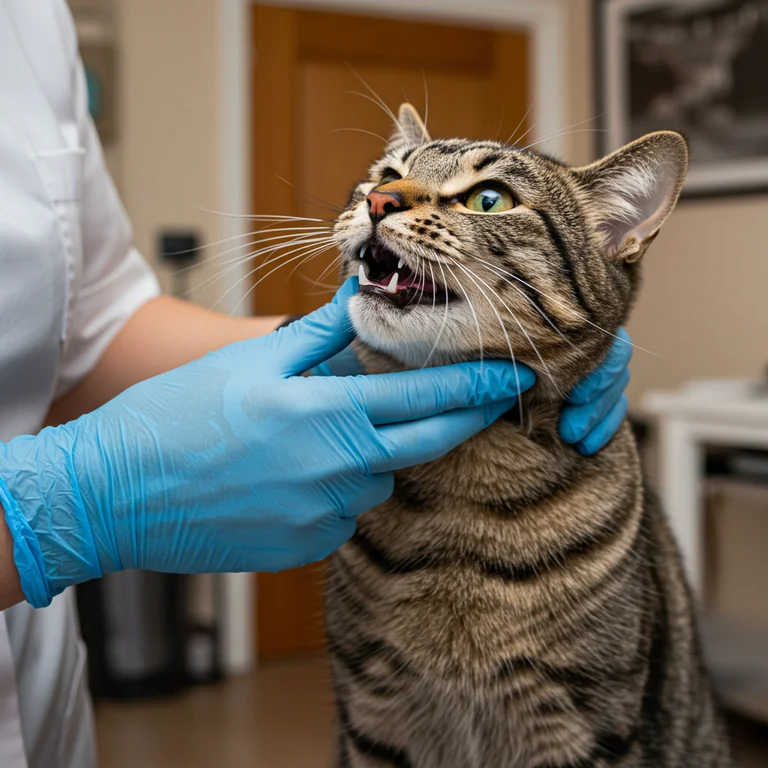
While not strictly coat grooming, dental care is an essential part of your cat's overall hygiene and well-being. Regular tooth brushing helps prevent dental disease, which can lead to serious health problems.
Use a pet-specific toothbrush and toothpaste and gently brush your cat's teeth daily or several times a week. Your veterinarian can also recommend dental chews and other products to help maintain your cat's dental health.

Dealing with Mats and Tangles: Untangling the Issue
Matted fur can be painful and uncomfortable for your cat. Here's how to deal with that:
- Prevention: The best way to deal with mats is to prevent them from forming in the first place through regular brushing.
- Detangling Sprays: Use a detangling spray to help loosen the mat.
- Grooming Comb: Gently work the mat apart with a grooming comb, starting at the edges.
- Mat Splitter/Remover: If the mat is too tight to comb out, use a mat splitter or remover to carefully cut through it. Be extremely cautious and avoid cutting your cat's skin.
- Professional Groomer: If you're unable to remove the mat yourself, consult with a professional groomer.
If mats are severe or close to the skin, it's best to have them removed by a veterinarian or groomer to avoid injuring your cat.
Grooming Challenges and Solutions: Making it Easier
Grooming isn't always easy! Here are some common challenges and solutions:
- Cat Hates Being Brushed: Start slowly with short brushing sessions and gradually increase the duration. Use positive reinforcement (treats, praise) to create a positive association with brushing.
- Cat Bites or Scratches: Use a gentle hold or wrap your cat in a towel to prevent biting and scratching. Consider using a calming pheromone spray. If necessary, consult with your veterinarian about sedation.
- Cat Runs Away: Create a calm and quiet environment for grooming. Avoid chasing your cat. Instead, lure them with treats or toys.
- Don't Have Time: Even a few minutes of brushing each day can make a big difference. Break grooming sessions into smaller chunks.
Remember, patience and consistency are key. Don't give up if your cat resists grooming at first. With time and positive reinforcement, most cats will learn to tolerate and even enjoy being groomed.
A Grooming Schedule: Consistency is Key
Establishing a regular grooming schedule is essential for maintaining your cat's health and well-being. Here's a sample grooming schedule:
- Daily: Brush long-haired cats.
- Every Few Days: Brush short and medium-haired cats.
- Weekly: Check ears and clean if necessary.
- Every 2-3 Weeks: Trim nails.
- As Needed: Bathe your cat when they get dirty or smelly (usually every few months).
Adjust this schedule to fit your cat's individual needs and lifestyle. The most important thing is to be consistent and make grooming a regular part of your routine.
By following these tips and creating a consistent grooming routine, you can help keep your cat looking and feeling their best, while strengthening the bond between you. Happy grooming!
Find a cat companion with our quick, fun quiz!
Match me