A Guide to Stress-Free Cat Travel
Planning a trip can be exciting, but if you're a cat owner, the thought of leaving your feline friend behind can cause serious stress. You're not alone! Many cat owners struggle with the decision of whether to bring their cats and how to do it safely and comfortably. The good news is that with the right preparation and knowledge, traveling with your cat can be a smooth and even enjoyable experience.
A Guide to Stress-Free Cat Travel:

- Is Traveling Right for you Cat?
- Getting Your Cat Used to Travel
- Choosing the Right Carrier
- Car Travel Essentials
- Air Travel Tips
- Staying in Hotels with Your Cat
- Keeping Your Cat Well on the Road
- Dealing with Travel Anxiety
- Returning Home
Is Traveling Right for your Cat?
Before you pack your bags, it's crucial to assess whether your cat is a good candidate for travel. Cats are creatures of habit, and travel can disrupt their routines, causing stress. Consider these factors:
- Your Cat's Personality: Is your cat generally calm and adaptable, or anxious and easily stressed?
- Your Cat's Health: Does your cat have any underlying health conditions that could be exacerbated by travel? Consult your veterinarian.
- The Type of Travel: A short car ride to a nearby destination is different from a long-haul flight or an extended road trip.
- The Destination: Is your destination cat-friendly? Will there be safe places for your cat to stay and explore (if applicable)?
If your cat is very anxious, has significant health issues, or if the travel is extensive and to a non-cat-friendly location, it might be best to leave them in the care of a trusted pet sitter or boarding facility. The American Animal Hospital Association (AAHA) offers resources on pet boarding.

Getting Your Cat Used to Travel
If you've determined that your cat is suitable for travel, the next step is to prepare them for the journey. Gradual acclimation is key to reducing stress:
- Short Trips: Once your cat is comfortable in the carrier, begin with short trips. Start with car rides around the block, gradually increasing the duration.
- Pet-Friendly Hotels: Book a pet-friendly hotel well in advance. Confirm their specific policies and any associated fees.
- Desensitization: If your cat is anxious about car rides, try desensitizing them to the sounds and motion. Sit in the car with them (engine off), then with the engine running, and eventually take those short trips.
Choosing the Right Carrier
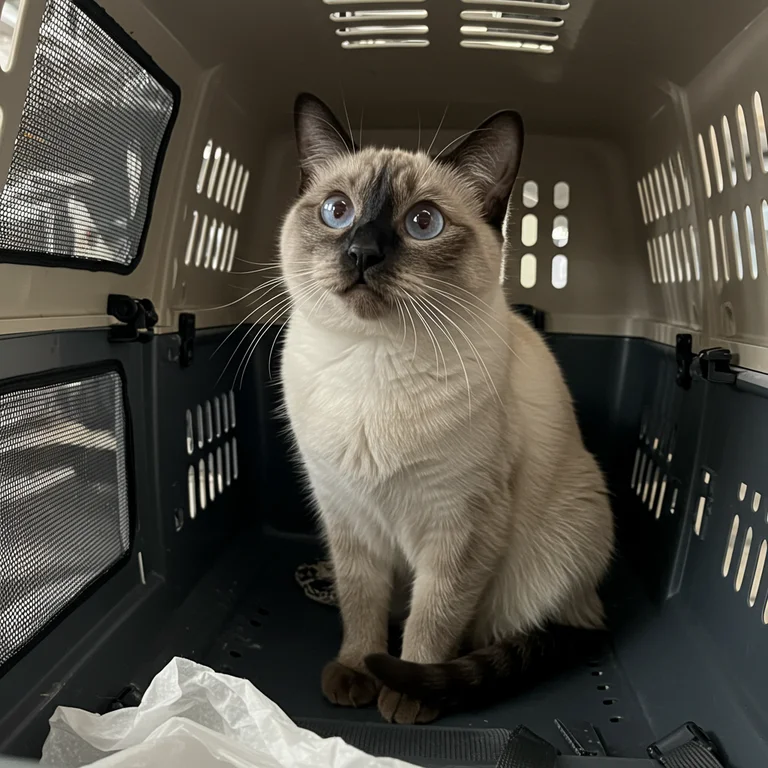
The carrier is your cat's safe haven during travel, so selecting the right one is essential. Consider these factors:
- Ventilation: Ensure the carrier has adequate ventilation on all sides.
- Security: The carrier should be sturdy and secure, preventing escapes. For air travel, it must meet airline regulations.
- Material: Hard-sided carriers offer more protection, especially for air travel, while soft-sided carriers may be more comfortable for car rides and easier to store.
- Features: Look for features like a comfortable handle, a shoulder strap, and easy access for placing and removing your cat.
The International Cat Association (TICA) may have guidelines on carrier requirements.
Car Travel Essentials
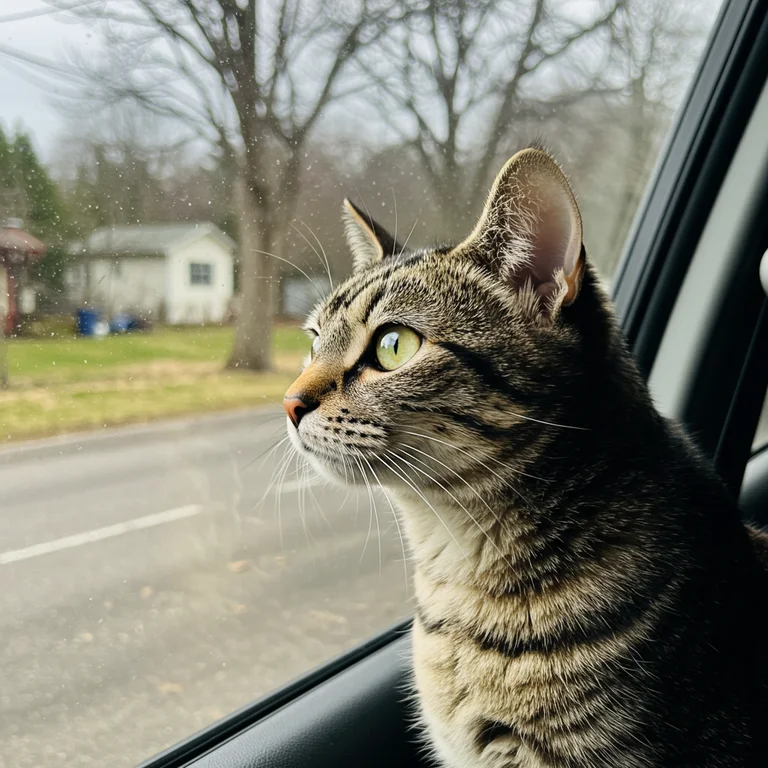
If you're traveling by car, these items will help ensure a smooth and safe journey for your cat:
- Litter Box: A travel litter box is essential. Consider a collapsible model for easy storage. Bring a supply of your cat's regular litter.
- Food and Water: Pack enough food and fresh water for the entire trip. Bring bowls that are stable and won't tip over easily. Offer small amounts frequently.
- First-Aid Kit: Include items like bandages, antiseptic wipes, and any medications your cat needs. Your vet can advise you on what to include.
- Comfort Items: Bring familiar items like your cat's favorite blanket, toys, and scratching post to provide comfort and reduce stress.
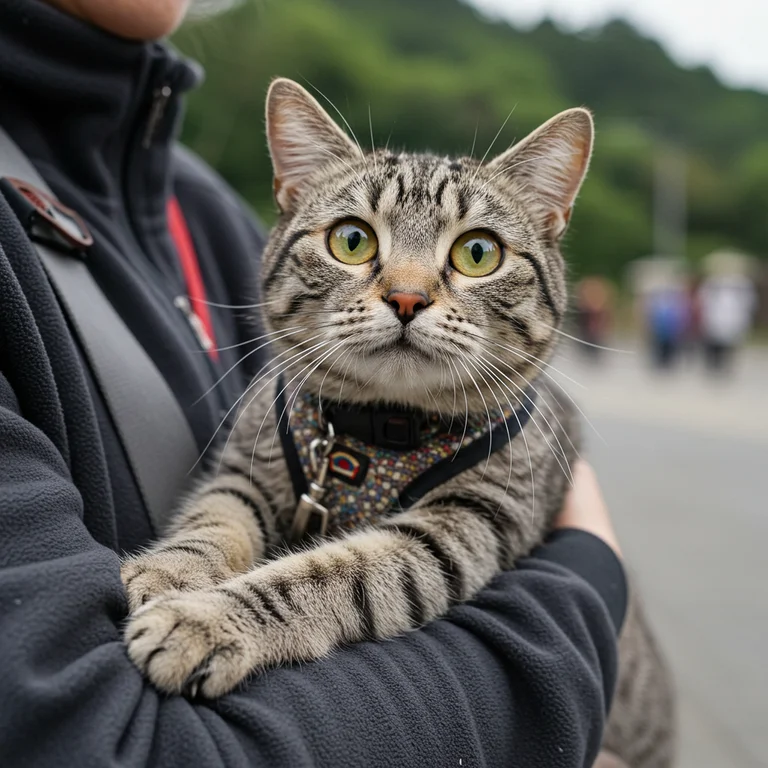
- Harness and Leash: If you plan to let your cat out of the carrier at rest stops, use a secure harness and leash. Never let your cat roam freely in a vehicle.
- Cleaning Supplies: Pack paper towels, pet-safe cleaning solution, and plastic bags for any accidents or messes.
Air Travel Tips
Flying with a cat requires extra planning and preparation:
- Airline Regulations: Contact the airline well in advance to inquire about their specific rules and restrictions for traveling with pets. Airlines often limit the number of pets allowed per flight.
- Health Certificate: Most airlines require a health certificate from your veterinarian, issued within a specific timeframe before the flight.
- Carrier Requirements: Ensure your carrier meets the airline's size and ventilation requirements. It must fit under the seat in front of you.
- Direct Flights: Whenever possible, choose direct flights to minimize stress for your cat.
- Sedation: Consult your veterinarian about whether sedation is appropriate for your cat. Sedation can be risky and is not always recommended.
- Check-in Early: Arrive at the airport early to allow plenty of time for check-in and security procedures.
- Security Screening: Be prepared to remove your cat from the carrier for security screening. You may request a private room.
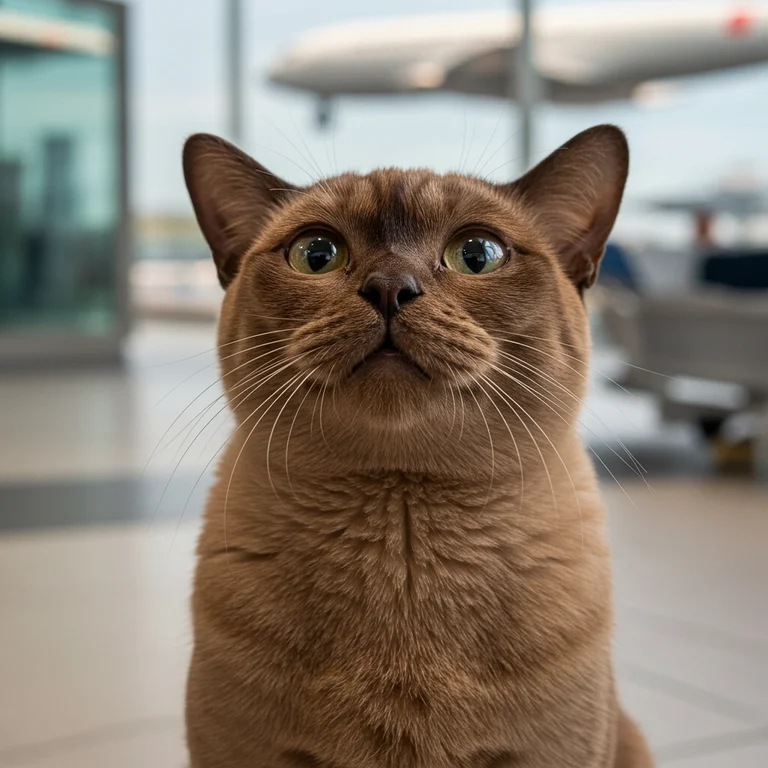
- Acclimatize to the airport: If possible, take your cat in its carrier to the airport before your trip, so it can get used to the sounds.
The U.S. Department of Transportation provides information on traveling with pets.

Staying in Hotels with Your Cat
If your trip involves staying in hotels, follow these tips:
- Pet-Friendly Hotels: Book a pet-friendly hotel well in advance. Confirm their specific policies and any associated fees.
- Room Location: Request a quiet room away from high-traffic areas.
- Familiar Items: Bring your cat's bed, food and water bowls, litter box, and toys to create a familiar environment.
- Supervision: Do not leave your cat unattended in the room unless you are absolutely certain it is secure. Some cats may try to escape.
- "Do Not Disturb" Sign: Place a "Do Not Disturb" sign on the door to prevent hotel staff from entering and potentially startling your cat.
- Litter Box Placement: Set up the litter box in the bathroom or another designated area.
Websites like PetsWelcome.com can help you find pet-friendly accommodations.
Keeping your Cat well on the Road
- Identification: Ensure your cat has proper identification, including a microchip and a collar with an ID tag. Include your cell phone number on the tag.
- Vaccinations: Make sure your cat's vaccinations are up-to-date.
- Medications: Bring an ample supply of any medications your cat takes, along with copies of prescriptions.
- Regular Checkups: Before your trip, take your cat to the veterinarian for a checkup.
- Food and Water: Offer small amounts of food and water frequently. Avoid overfeeding, which can lead to motion sickness.
- Rest Stops: If traveling by car, take frequent rest stops to allow your cat to use the litter box and stretch their legs (on a harness and leash).
- Temperature Control: Protect your cat from extreme temperatures. Never leave your cat in a parked car, which can quickly become dangerously hot or cold.
- Motion Sickness: If your cat is prone to motion sickness, consult your veterinarian about possible remedies.

Dealing with Travel Anxiety
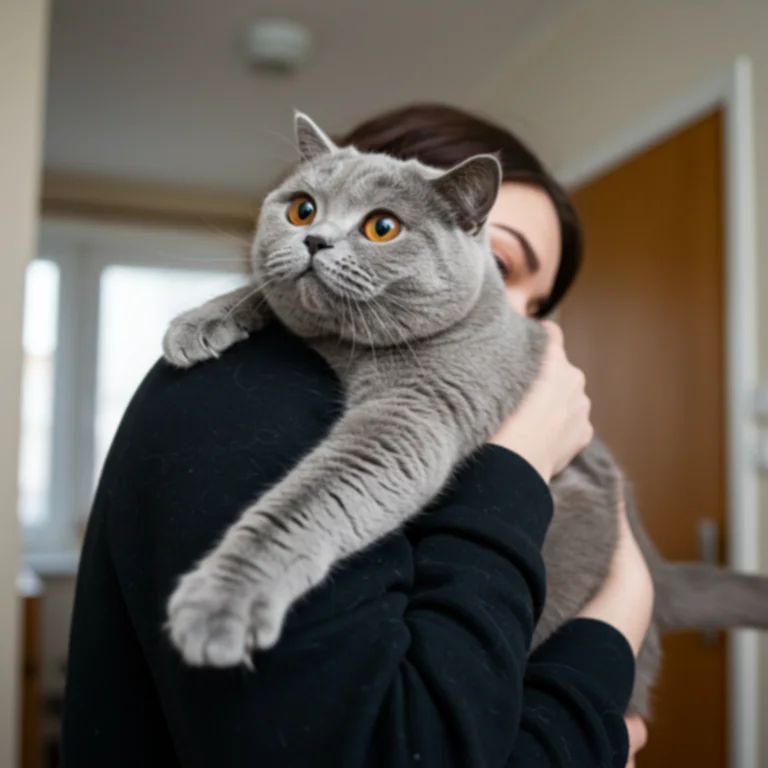
Many cats experience anxiety during travel. Here are some ways to help them cope:
- Pheromone Products: Use calming pheromone sprays or diffusers (such as Feliway) in the carrier and car.
- Calming Treats or Supplements: Some cats respond well to calming treats or supplements containing ingredients like L-theanine. Consult your veterinarian.
- Comfort Items: Surround your cat with familiar scents and objects.
- Gentle Handling: Speak to your cat in a soothing voice and handle them gently.
- Medication: In severe cases, your veterinarian may prescribe anti-anxiety medication. This should be used only when necessary and under veterinary supervision.
Jackson Galaxy offers many tips on cat behavior and reducing anxiety.
Returning Home
After your trip, allow your cat time to readjust to their home environment. Resume their regular routine as soon as possible. Provide them with extra attention and reassurance. Monitor their eating habits, litter box usage, and overall behavior for any signs of stress or illness.
Further reference:
- American Animal Hospital Association (AAHA):
- The International Cat Association (TICA):
- PetsWelcome.com:
- U.S. Department of Transportation:
- Jackson Galaxy:
Find a cat companion with our quick, fun quiz!
Match me