Human Foods that are Harmful to Cats
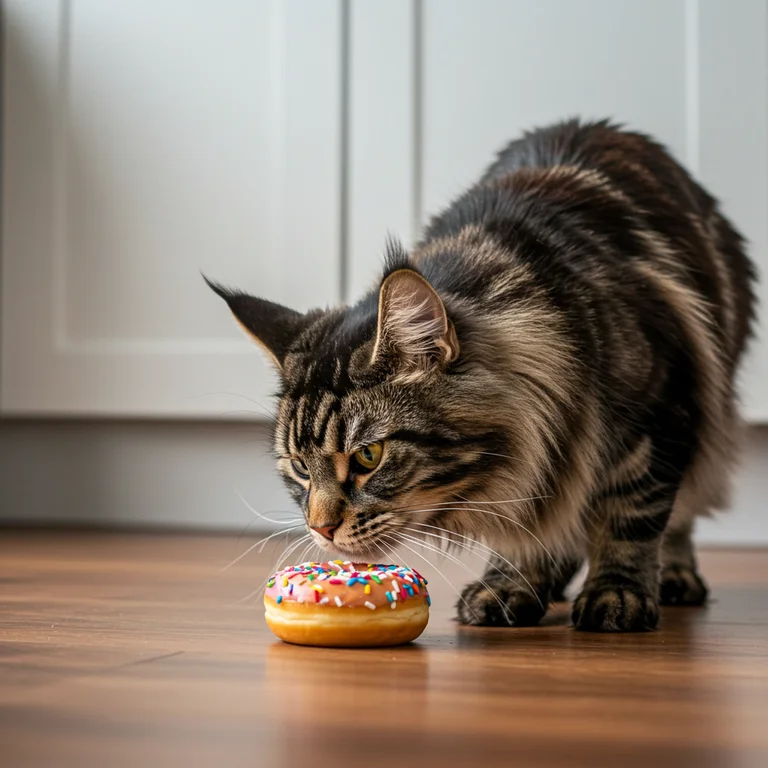
It's natural to want to share your favorite foods with your feline friend, but many common human foods can be dangerous, even toxic, to cats. Cats have different digestive systems and nutritional needs than humans, so foods that are perfectly safe for us can cause serious health problems for them. As a responsible cat owner, it's crucial to know which foods to avoid to keep your kitty safe, healthy, and happy.
Human Foods That Are Dangerous or Toxic for Cats:

- Foods That Are Always Dangerous
- Foods That Can Be Dangerous in Certain Forms or Amounts
- Safe Human Foods for Cats (in Moderation)
- What to Do If Your Cat Eats Something Toxic
- Tips to Prevent Your Cat from Eating Harmful Foods
Foods That Are Always Dangerous
These foods should never be given to cats, as they contain compounds that are toxic and can cause severe health problems.
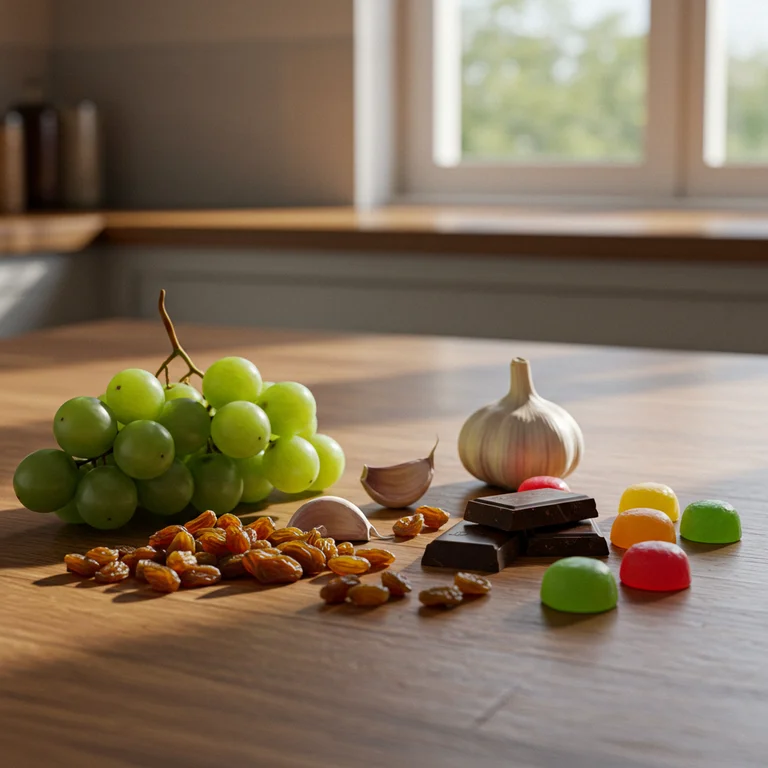
- Onions, Garlic, and Other Alliums: These vegetables (including leeks, chives, and shallots) contain sulfur compounds that can damage a cat's red blood cells, leading to anemia. Garlic is considered about 5 times as potent as onion.
- Chocolate: Chocolate contains theobromine and caffeine, stimulants that are toxic to cats. Dark chocolate is more dangerous than milk chocolate. Symptoms include vomiting, diarrhea, hyperexcitability, tremors, seizures, and irregular heart rhythm.
- Caffeine: Coffee, tea, energy drinks, and other caffeinated beverages contain methylxanthines, which are harmful to cats. Symptoms of caffeine poisoning include restlessness, rapid breathing, heart palpitations, muscle tremors, and seizures.
- Alcohol: Alcoholic beverages and foods containing alcohol can cause vomiting, diarrhea, decreased coordination, difficulty breathing, tremors, coma, and even death. Even a small amount of alcohol can be extremely toxic.
- Grapes and Raisins: These fruits can cause kidney failure in cats. Even a small amount can make a cat ill.
- Xylitol: This artificial sweetener, found in candy, gum, and some peanut butters, can cause a rapid release of insulin, leading to hypoglycemia (low blood sugar) and liver failure.
- Yeast Dough: Raw dough can expand in a cat's stomach, causing pain and potentially rupturing the stomach or intestines. The fermenting yeast also produces alcohol, which is toxic.
Foods That Can Be Dangerous in Certain Forms or Amounts
These foods may not always be toxic, but they can cause problems depending on how they are prepared or how much a cat consumes.
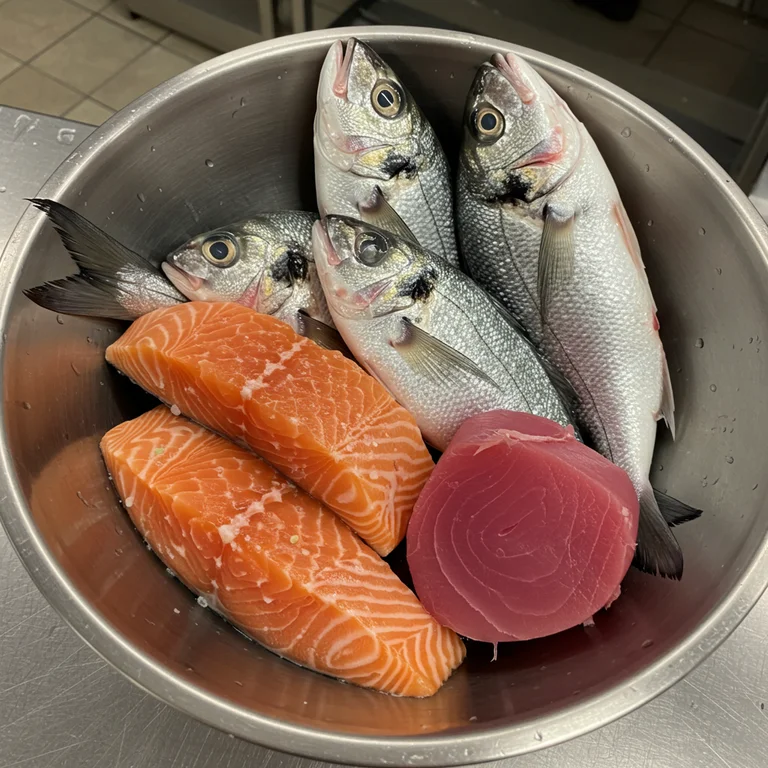
- Raw Meat, Fish, and Eggs: These can contain harmful bacteria like Salmonella and E. coli, leading to food poisoning. Raw eggs also contain avidin, which can interfere with the absorption of biotin (a B vitamin). Raw fish contains an enzyme that destroys thiamine, an essential B vitamin, potentially leading to neurological problems.
- Bones: Cooked bones can splinter and cause choking, digestive tract obstruction, or damage to the teeth.
- Dairy Products (Milk, Cheese): Many adult cats are lactose intolerant and can experience digestive upset, such as vomiting and diarrhea, from consuming dairy.
- Liver: While some cat foods contain liver, too much liver can lead to vitamin A toxicity, affecting a cat's bones.
- Salty Snacks: Excessive salt intake can lead to dehydration and electrolyte imbalances.
- Potatoes: Raw potatoes contain solanine, which is toxic to cats. Cooked potatoes, in moderation, are generally safe.
- Citrus: The stems, leaves, peels, fruit and seeds contain citric acid, which "cause irritation and possibly even central nervous system depression if ingested in significant amounts,".
Safe Human Foods for Cats (in Moderation)
While a balanced cat food should form the core of your cat's diet, certain human foods are safe for cats in small amounts as occasional treats. These should not make up more than 10% of your cat's daily calorie intake.
- Cooked, Lean Meats: Cooked chicken, turkey, and beef (without bones, skin, or seasoning) are good sources of protein.
- Cooked Fish: Cooked fish (such as salmon and tuna) can provide omega-3 fatty acids, but should not be a primary part of the diet. Avoid raw fish.
- Cooked Eggs: Scrambled or hard-boiled eggs are a good source of protein.
-
Certain Fruits (in small amounts):
- Apples (without the peel and seeds)
- Bananas
- Blueberries
- Strawberries
- Watermelon
-
Certain Vegetables (cooked or pureed):
- Carrots
- Peas
- Green beans
- Broccoli
- Pumpkin (plain, not pie filling)
- Cooked Grains: Small amounts of cooked rice, oatmeal, or couscous.

What to Do If Your Cat Eats Something Toxic
If you suspect your cat has eaten a dangerous food, it's crucial to act quickly.
- Note the amount of the substance consumed.
- Contact your veterinarian immediately.
-
You can also contact a pet poison helpline in your country for expert advice. For example, in the USA, contact
- ASPCA Animal Poison Control Center: 1-888-426-4435 (a consultation fee might apply)
- Pet Poison Helpline: 1-855-764-7661 (a consultation fee applies)
Tips to Prevent Your Cat from Eating Harmful Foods
Prevention is key to protecting your cat from food-related dangers.
- Store dangerous foods out of your cat's reach. Consider cat-proof locks on cabinets.
- Do not let your cat on the counter while you're cooking or eating.
- Do not feed your cat table scraps.
- Be extra mindful during holidays when there are more tempting human foods around.
- Feed your cat a complete and balanced cat food to reduce their interest in human food.
By being informed and taking precautions, you can ensure your cat avoids dangerous human foods and enjoys a long and healthy life. When in doubt, always consult with your veterinarian.
Find a cat companion with our quick, fun quiz!
Match me