Taking your Cat to the Vet
Let's face it, cats are masters of disguise. They're experts at hiding pain and discomfort, often making it incredibly difficult to tell when they're not feeling their best. This is precisely why regular vet checkups are absolutely crucial for every cat, regardless of breed. You might think your fluffy Persian or sleek Siamese is perfectly healthy, purring away on the sofa, but underlying health issues can lurk undetected for months, even years, before they become obvious — and often, by then, they're more difficult and expensive to treat.
We all want the best for our feline companions — a long, happy, and healthy life filled with cuddles and playtime! That requires proactive care, starting with consistent veterinary attention, like preventative maintenance for your furry friend. Perhaps you're thinking, 'My cat seems fine' , or 'Vet visits are too stressful!' These are valid concerns, and we'll address them by delving into why regular checkups are vital, what to expect during a visit, how to minimize stress, and tackle those common concerns. So let's dive in!
Why Do Regular Vet Checkups:

- Catching Problems Before They Escalate
- What Happens During a Cat Vet Checkup?
- Vaccinations and Parasite Prevention
- Dental Health Really Is Important
- Nutrition and Weight Management
- Addressing Cat Behavioral Changes
- Making Vet Visits Less Stressful
- Finances, Pet Insurance and Budgeting
- Finding the Right Vet for your Cat
- Further Reference
Catching Problems Before They Escalate
As mentioned earlier, cats are incredibly good at hiding illness. They might not show obvious signs of pain or discomfort until a condition is quite advanced. This is a survival instinct — in the wild, showing weakness makes them vulnerable. However, this survival mechanism can be detrimental to their health as domestic pets. Regular vet checkups are like having a detective on the case, looking for subtle clues that something might be amiss.
Here are some common conditions that can be detected early during a vet visit:
- Kidney Disease: Extremely common in older cats, kidney disease can be managed effectively if caught early. Vets can detect subtle changes in blood and urine tests before your cat shows any noticeable symptoms like increased thirst or weight loss.
- Diabetes: Another common condition, especially in overweight cats. Early detection allows for dietary changes and medication to help manage blood sugar levels.
- Hyperthyroidism: An overactive thyroid gland can cause weight loss, increased appetite, and hyperactivity. A simple blood test can diagnose this condition.
- Heart Disease: Heart murmurs or other subtle signs can be detected during a physical exam, leading to further testing and potentially life-saving treatment.
- Arthritis: While cats often hide stiffness, a vet can palpate joints and assess range of motion to identify early signs of arthritis and recommend pain management strategies.
- Cancer: Early detection of lumps, bumps, or other abnormalities can significantly improve the chances of successful treatment.
By catching these conditions early, your vet can often implement preventative measures, dietary changes, or medication to slow the progression of the disease and improve your cat's quality of life significantly. Early intervention can also save you money in the long run by preventing costly emergency treatments later on.
What Happens During a Cat Vet Checkup?
Knowing what to expect during a vet checkup can help alleviate some of the anxiety, both for you and your cat. Here's a general overview of what typically happens:
- Medical History Review: The vet will ask you about your cat's diet, behavior, lifestyle, any recent changes you've noticed, and any medications they're currently taking. Be prepared to provide as much detail as possible!
-
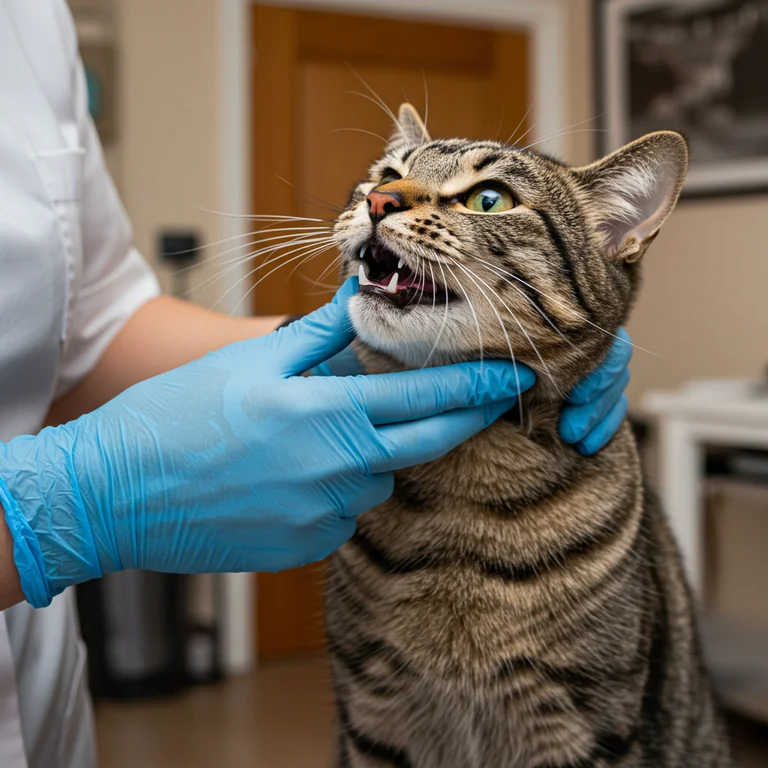
Physical Examination:
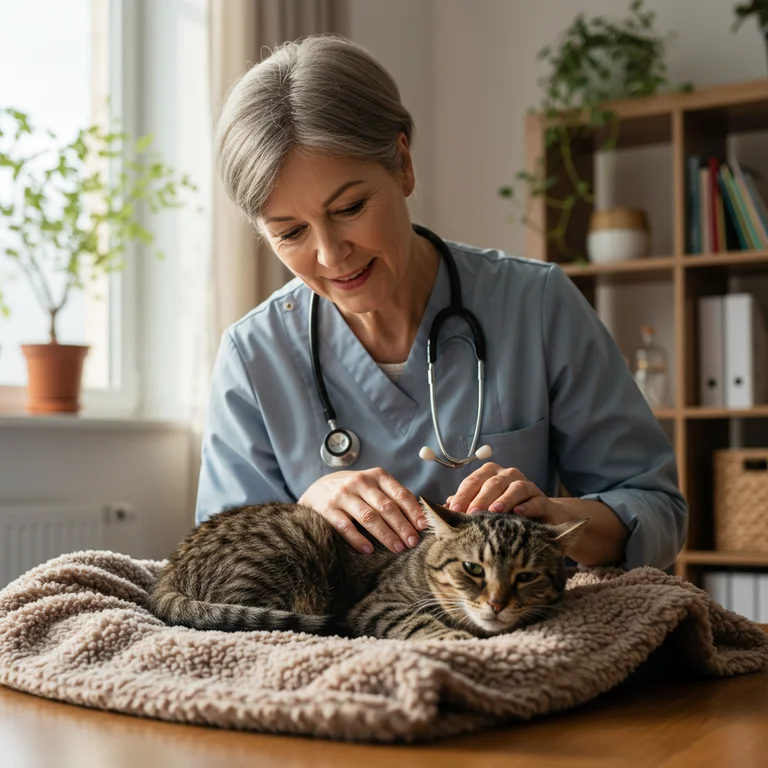
This is a thorough hands-on assessment. The vet will:
- Check your cat's weight and body condition.
- Listen to their heart and lungs with a stethoscope.
- Palpate their abdomen to check for any abnormalities.
- Examine their eyes, ears, nose, and throat.
- Check their teeth and gums.
- Assess their skin and coat for any signs of fleas, ticks, or skin conditions.
- Palpate their lymph nodes.
- Assess their gait and range of motion.
- Vaccinations: Depending on your cat's age, lifestyle, and vaccination history, the vet will administer necessary booster shots.
- Parasite Screening and Prevention: The vet may recommend fecal tests to check for intestinal parasites and prescribe preventative medications for fleas, ticks, and heartworms.
- Discussion and Recommendations: Based on the examination and test results, the vet will discuss their findings with you and recommend any necessary treatments, dietary changes, or further testing.
- Bloodwork/Urinalysis (optional but Recommended): Often recommended annually, especially for senior cats, to evaluate organ function and detect underlying issues.
Don't hesitate to ask questions! Your vet is there to provide information and guidance. A good vet will take the time to explain their findings and answer your concerns thoroughly.
Vaccinations and Parasite Prevention
Vaccinations and parasite prevention are essential for protecting your cat from potentially life-threatening diseases and uncomfortable infestations.
-
Vaccinations:
Core vaccinations protect against common and serious diseases like:
- FVRCP (Feline Viral Rhinotracheitis, Calicivirus, and Panleukopenia): This combination vaccine protects against highly contagious upper respiratory infections and feline distemper.
- Rabies: A fatal viral disease that can affect mammals, including humans. Rabies vaccination is often required by law.
-
Parasite Prevention:
- Fleas and Ticks: These external parasites can cause skin irritation, anemia, and transmit diseases. Regular flea and tick prevention is crucial, even for indoor cats.
- Heartworms: Transmitted by mosquitoes, heartworms can cause serious damage to the heart and lungs. Heartworm prevention is essential in many areas.
- Intestinal Parasites: Roundworms, hookworms, and tapeworms are common intestinal parasites that can cause digestive issues and other health problems. Regular fecal exams and deworming are important.
Your vet can help you determine the appropriate vaccination and parasite prevention schedule for your cat based on their individual needs and risk factors. Discuss any concerns you have about potential side effects or the necessity of certain preventatives.
Dental Health Really Is Important
Dental health is often overlooked in cats, but it's incredibly important for their overall well-being. Just like humans, cats can develop dental problems like plaque buildup, tartar formation, gingivitis (inflammation of the gums), and periodontal disease (infection and inflammation of the tissues surrounding the teeth).
Untreated dental disease can lead to:
- Pain and Discomfort: Making it difficult for your cat to eat.
- Tooth Loss: Leading to further difficulty eating and potential infections.
- Systemic Infections: Bacteria from the mouth can enter the bloodstream and affect other organs, such as the heart, kidneys, and liver.
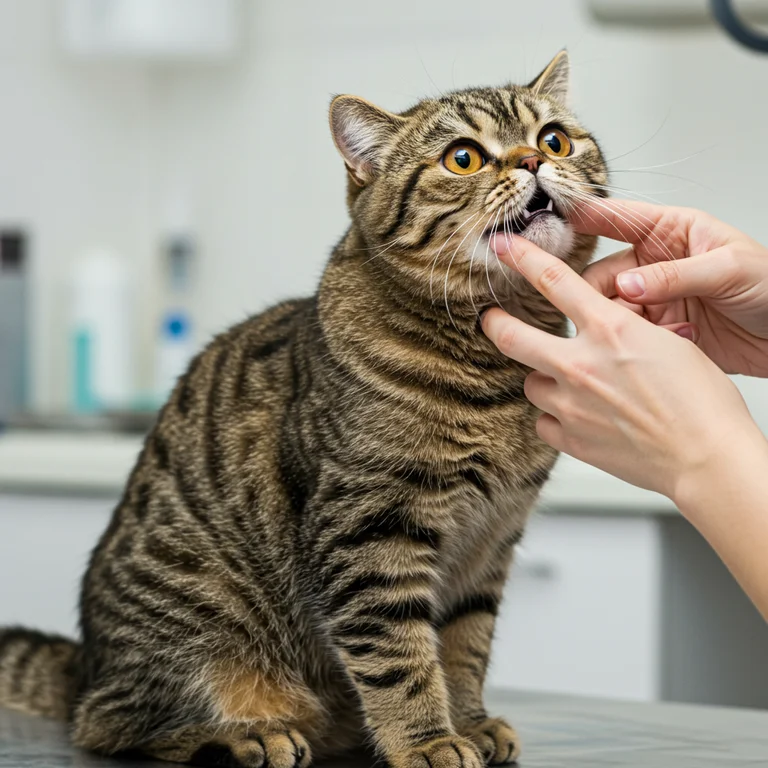
During a vet checkup, your vet will examine your cat's teeth and gums for signs of dental disease. They may recommend a professional dental cleaning under anesthesia to remove plaque and tartar buildup. You can also help maintain your cat's dental health at home by:
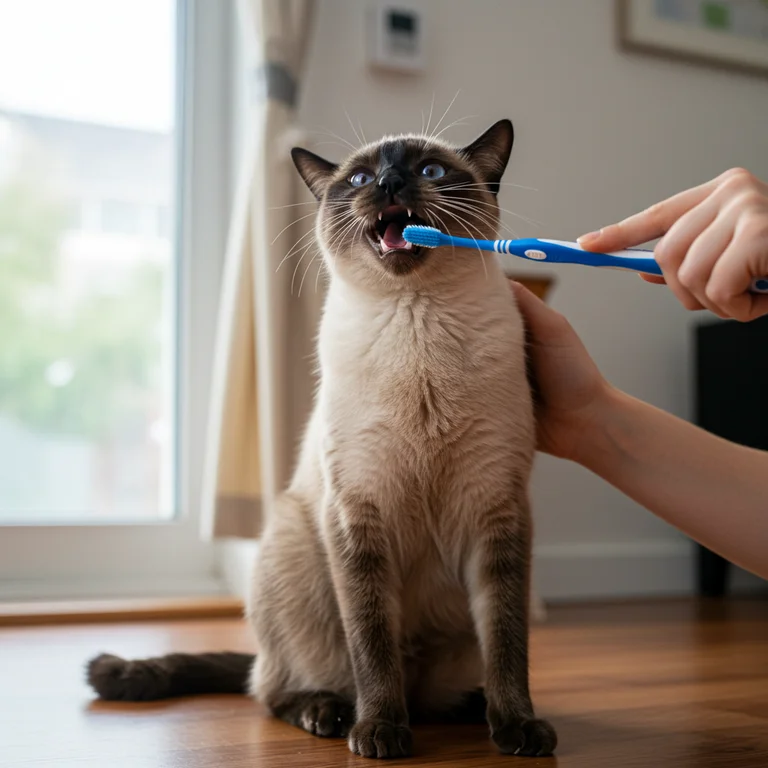
- Brushing their teeth: Ideally, daily brushing is best, but even a few times a week can make a difference. Use a pet-specific toothbrush and toothpaste.
- Providing dental chews or toys: These can help remove plaque and tartar as your cat chews.
- Feeding a dental diet: Some specially formulated diets are designed to help reduce plaque and tartar buildup.
Nutrition and Weight Management
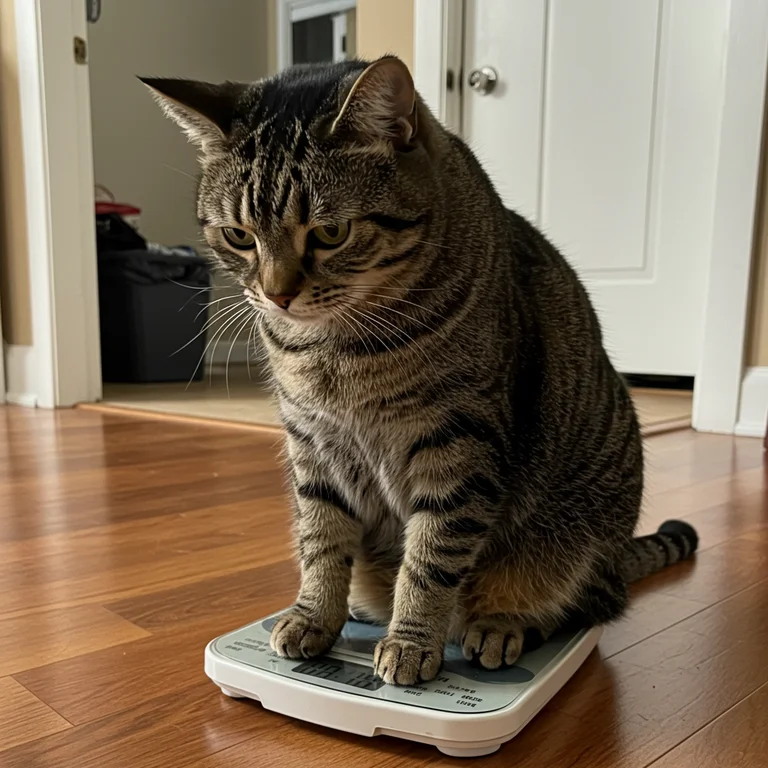
Proper nutrition and weight management are crucial for preventing a variety of health problems in cats. Obesity is a common issue in domestic cats, and it can increase their risk of developing diabetes, arthritis, heart disease, and other serious conditions.
During a vet checkup, your vet will assess your cat's weight and body condition score to determine if they are at a healthy weight. They can also provide guidance on:
- Choosing the right food: Consider your cat's age, activity level, and any specific health needs when selecting a food. Your vet can recommend a high-quality cat food that meets your cat's individual needs.
- Portion control: Overfeeding is a common cause of weight gain. Follow the feeding guidelines on the food label and adjust the amount as needed based on your cat's weight and body condition.
- Encouraging exercise: Provide opportunities for your cat to play and be active. Interactive toys, climbing trees, and puzzle feeders can help keep them entertained and engaged.
Be honest with your vet about your cat's eating habits. They can help you identify any potential problems and develop a plan to help your cat reach and maintain a healthy weight.
Addressing Cat Behavioral Changes
Sometimes, changes in your cat's behavior can be an early sign of an underlying medical problem. While some behavioral changes may be due to stress or environmental factors, it's important to rule out any medical causes before assuming that's the case.
Here are some behavioral changes that warrant a vet visit:
- Changes in Appetite or Water Consumption: Increased or decreased appetite or thirst can indicate a variety of medical conditions.
- Changes in Litter Box Habits: Straining to urinate, urinating outside the litter box, or changes in stool consistency can be signs of urinary tract issues or digestive problems.
- Changes in Activity Level: Lethargy, decreased interest in playing, or increased sleeping can be signs of pain or illness.
- Changes in Grooming Habits: Overgrooming or neglecting grooming can indicate stress, anxiety, or skin conditions.
- Increased Vocalization: Excessive meowing or other vocalizations can be a sign of pain, anxiety, or cognitive dysfunction.
- Aggression: Sudden aggression towards you or other pets can be a sign of pain or illness.
- Hiding: While some cats are naturally shy, a sudden increase in hiding can be a sign that they're not feeling well.
Don't hesitate to discuss any behavioral changes you've noticed with your vet. They can perform a physical exam and run tests to determine if there's a medical cause for the changes.
Making Vet Visits Less Stressful
Let's address that major pain point: vet visits can be stressful! Here are some tips to make the experience less traumatic for your cat (and for you!):
- Get Your Cat Used to the Carrier: Make the carrier a comfortable and familiar place by leaving it out in your home with a soft blanket or toy inside. Spray it with a calming pheromone spray like Feliway.
- Practice Car Rides: Take your cat for short car rides to get them used to the motion.
- Use Calming Pheromone Sprays: Sprays like Feliway can help reduce anxiety in cats. Spray the carrier and your car a few minutes before putting your cat inside.
- Cover the Carrier: Some cats feel more secure when the carrier is covered with a blanket or towel.
- Stay Calm: Cats can sense your anxiety, so try to stay calm and relaxed during the vet visit.
- Choose a Cat-Friendly Vet: Some veterinary practices specialize in treating cats and have taken steps to create a more comfortable environment for them. Look for practices that are "Fear Free" certified.
- Consider a House Call Vet: For some cats, the stress of leaving home is the biggest issue. A house call vet can provide care in the comfort of your own home.
- Talk to Your Vet About Sedation: If your cat is particularly anxious or aggressive, your vet may recommend a mild sedative to help them relax during the visit.
Remember, preparation is key! By taking these steps, you can help make vet visits a more positive experience for your feline friend.

Finances , Pet Insurance and Budgeting
Vet care can be expensive, and many pet owners worry about the cost of regular checkups and potential treatments. Here are some tips for managing the financial aspects of cat ownership:
- Pet Insurance: Pet insurance can help cover the cost of unexpected illnesses and injuries. Research different pet insurance plans to find one that fits your budget and your cat's needs.
- Wellness Plans: Some veterinary clinics offer wellness plans that cover the cost of routine checkups, vaccinations, and other preventative care services.
- Budgeting: Set aside a specific amount of money each month for your cat's healthcare expenses.
- CareCredit: CareCredit is an example of credit card specifically for healthcare expenses, including veterinary care. It offers low-interest financing options.
- Don't Delay Care: Addressing health problems early can often prevent them from becoming more serious and expensive to treat later on.
Don't let financial concerns prevent you from providing your cat with the care they need. Explore different options and find a solution that works for you.
Finding the Right Vet for your Cat
Choosing the right veterinarian is a crucial part of providing your cat with the best possible care. Look for a vet who is experienced, compassionate, and knowledgeable about feline health. Here are some tips for finding a good vet:
- Ask for Recommendations: Ask friends, family, and neighbors for recommendations.
- Read Online Reviews: Check online reviews to see what other pet owners have to say about their experiences with different vets.
- Visit the Clinic: Before making a decision, visit the clinic to get a feel for the environment and meet the staff.
- Ask Questions: Don't be afraid to ask questions about the vet's experience, qualifications, and approach to feline care.
- Look for a Cat-Friendly Practice: Consider a practice that is specifically designed to meet the needs of cats.
Building a long-term relationship with a trusted veterinarian is essential for ensuring your cat's health and well-being. Choose a vet who you feel comfortable with and who is committed to providing your cat with the best possible care.
In conclusion, remember that regular vet checkups are an investment in your cat's health and happiness. By being proactive and providing your feline friend with the care they need, you can help them live a long, healthy, and fulfilling life. Don't delay, schedule that appointment today!
References
- Kidney Disease: Cornell FHC - Chronic Kidney Disease
- Diabetes: Cornell FHC - Diabetes Mellitus
- Hyperthyroidism: Cornell FHC - Hyperthyroidism
- Heart Disease: Cornell FHC - Heart Disease
- Arthritis: Cornell FHC - Arthritis in Cats
- FVRCP Vaccination: AAHA - Feline Vaccination Guidelines
- Rabies Vaccination: AVMA - Rabies
- Fleas: Companion Animal Parasite Council - Fleas
- Ticks: Companion Animal Parasite Council - Ticks
- Heartworms: Companion Animal Parasite Council - Heartworm
- Dental Disease: AVMA - Pet Dental Care
In conclusion, remember that regular vet checkups are an investment in your cat's health and happiness. By being proactive and providing your feline friend with the care they need, you can help them live a long, healthy, and fulfilling life. Don't delay, schedule that appointment today!
Find a cat companion with our quick, fun quiz!
Match me