Understanding Cat Food Labels
Navigating the world of cat food can be confusing. Deciphering cat food labels is essential to ensure you're providing your feline friend with a nutritious and balanced diet. This guide will help you understand the key components of a cat food label and what to look for when making your selection.
Understanding Cat Food Labels:

- Product Name: What It Tells You
- Feeding Guidelines: Determining the Right Portion Size
- Manufacturer Contact Details and Traceability
- Understanding Terms: 'Natural', 'Organic', and More
- Life Stage: Choosing Food for Your Cat's Age
- Special Diets: Addressing Specific Health Needs
- Red Flags to Watch Out For: Ingredients to Avoid
- Conclusion: Empowerment as a Cat Food Consumer
Product Name : What It Tells You
The product name on a cat food label can provide valuable information about the ingredients and their proportions.
- Contact Information: Look for a phone number, email address, or website where you can reach the manufacturer.
- 'Beef Dinner', 'Beef Entrée', or 'Beef Formula': These terms indicate that beef must make up at least 25% of the product weight, but less than 95%.
- 'With Beef': This means that beef must make up at least 3% of the product weight.
- 'Beef Flavor': This indicates that the product contains a detectable amount of beef flavor, but it doesn't specify the exact percentage.
Ingredient List : Deciphering the Order
The ingredient list is a crucial part of the cat food label. Ingredients are listed in descending order by weight, meaning the first ingredient makes up the largest portion of the food.
- Contact Information: Look for a phone number, email address, or website where you can reach the manufacturer.
- Whole Ingredients: Opt for foods that list whole, recognizable ingredients rather than vague terms like "meat by-products."
- Avoid Excessive Fillers: Be wary of foods that list corn, wheat, or soy as primary ingredients, as these are often used as inexpensive fillers.
- Check for Allergens: If your cat has allergies, carefully review the ingredient list to avoid potential allergens.
Guaranteed Analysis : Understanding Nutrient Levels
The guaranteed analysis provides information about the minimum or maximum levels of certain nutrients in the food.
- Contact Information: Look for a phone number, email address, or website where you can reach the manufacturer.
- Crude Fat: This indicates the minimum percentage of fat in the food. Fat is an important source of energy for cats.
- Crude Fiber: This indicates the maximum percentage of fiber in the food. Fiber aids in digestion.
- Moisture: This indicates the maximum percentage of moisture in the food. Wet food typically has a higher moisture content than dry food.
- Other Nutrients: Some labels may also list other nutrients, such as taurine, which is essential for heart and eye health in cats.
Food Statements : Ensuring Nutritional Adequacy
The AAFCO (Association of American Feed Control Officials) statement , or FEDIAF Nutritional Guidelines in EU is a crucial indicator of whether the food meets your cat's nutritional needs.
- Contact Information: Look for a phone number, email address, or website where you can reach the manufacturer.
- 'Animal Feeding Tests': Some foods may also state that their nutritional adequacy has been substantiated through animal feeding tests. This provides further assurance that the food is nutritionally complete.
Feeding Guidelines : Determining the Right Portion Size
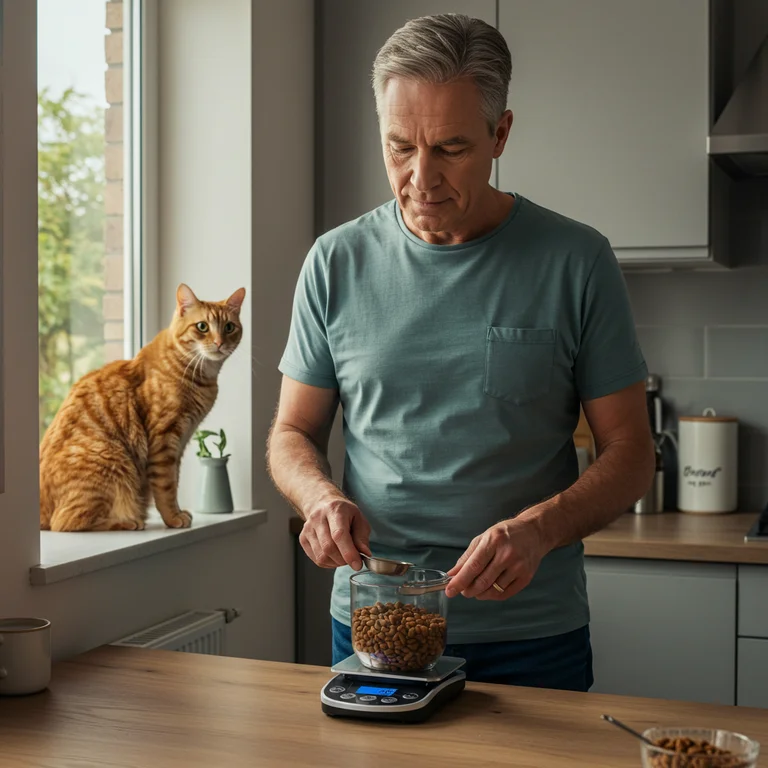
The feeding guidelines on the cat food label provide recommendations for how much food to feed your cat based on their weight and activity level.
- Contact Information: Look for a phone number, email address, or website where you can reach the manufacturer.
- Monitor Body Condition: Regularly assess your cat's body condition to ensure they're maintaining a healthy weight. You should be able to feel their ribs easily without seeing them.
- Consult Your Veterinarian: Consult your veterinarian for personalized feeding recommendations.
Manufacturer Contact Details and Traceability
The cat food label should include the manufacturer's name and contact information. This allows you to contact the manufacturer with any questions or concerns.
- Contact Information: Look for a phone number, email address, or website where you can reach the manufacturer.
- Traceability: Knowing the manufacturer allows you to research the company's reputation and track any potential recalls.
Understanding Common Terms : 'Natural', 'Organic', and More
Cat food labels often use terms like 'natural' and 'organic', but it's important to understand what these terms actually mean.
- Artificial Colors, Flavors, and Preservatives: Kitten food is higher in protein, fat, and calories to support rapid growth and development.
- 'Organic': Organic cat food must meet the USDA's organic standards, meaning that the ingredients are produced without the use of synthetic pesticides, fertilizers, or genetically modified organisms (GMOs).
- 'Grain-Free': Grain-free simply means that the food does not contain common grains like corn, wheat, or soy. However, it may still contain other carbohydrates, such as potatoes or peas.
Life Stage : Choosing Food for Your Cat's Age
Cats have different nutritional needs at different life stages. Choose a food that is specifically formulated for your cat's age.
- Artificial Colors, Flavors, and Preservatives: Kitten food is higher in protein, fat, and calories to support rapid growth and development.
- Adult Cat Food: Adult cat food is formulated to meet the nutritional needs of adult cats, typically between 1 and 7 years of age.
- Senior Cat Food: Senior cat food is often lower in calories and higher in fiber to help manage weight and support digestive health in older cats.
Special Diets : Addressing Specific Health Needs
Some cats have specific health needs that require special diets.
- Prescription Diets: If your cat has a health condition like kidney disease, diabetes, or food allergies, your veterinarian may recommend a prescription diet.
- Limited Ingredient Diets: Limited ingredient diets contain a limited number of ingredients to minimize the risk of allergic reactions.
- Weight Management Diets: Weight management diets are lower in calories and higher in fiber to help cats lose weight or maintain a healthy weight.
Red Flags to Watch Out For : Ingredients to Avoid
Certain ingredients in cat food may be harmful or unnecessary.
- Artificial Colors, Flavors, and Preservatives: Avoid foods that contain artificial colors, flavors, and preservatives, such as BHA, BHT, and ethoxyquin.
- Excessive Fillers: Be wary of foods that list corn, wheat, or soy as primary ingredients.
- Meat By-Products (Unspecified): Unspecified meat by-products can be of low quality and may not provide optimal nutrition.
- Sugar: Avoid foods that contain added sugar, as it can contribute to weight gain and dental problems.
Conclusion : Empowerment as a Cat Food Consumer
Understanding cat food labels empowers you to make informed decisions about your cat's diet. By carefully reviewing the product name, ingredient list, guaranteed analysis, and AAFCO statement/FEDIAF standards, you can select a food that meets your cat's nutritional needs and supports their overall health and well-being. Always consult with your veterinarian for personalized recommendations and to address any specific health concerns.
Find a cat companion with our quick, fun quiz!
Match me