Wet Food vs. Dry Food for Cats
Choosing the right food for your cat can feel overwhelming. With so many options available, it's important to understand the differences between wet and dry food to make an informed decision that supports your cat's health and well-being. This article will explore the pros and cons of each type of food, helping you determine the best choice for your feline friend.
Wet Food vs. Dry Food:

- The Pros of Wet Food
- The Cons of Wet Food
- The Pros of Dry Food
- The Cons of Dry Food
- Nutritional Content: What to Look For
- Dental Health: The Impact of Food Choice
- Urinary Health: Hydration Matters
- Lifestyle Considerations: Convenience and Cost
- Mixing Wet and Dry Food: A Balanced Approach
- Consulting Your Vet: Personalized Recommendations
- Conclusion: Making the Right Choice for Your Cat
The Pros of Wet Food
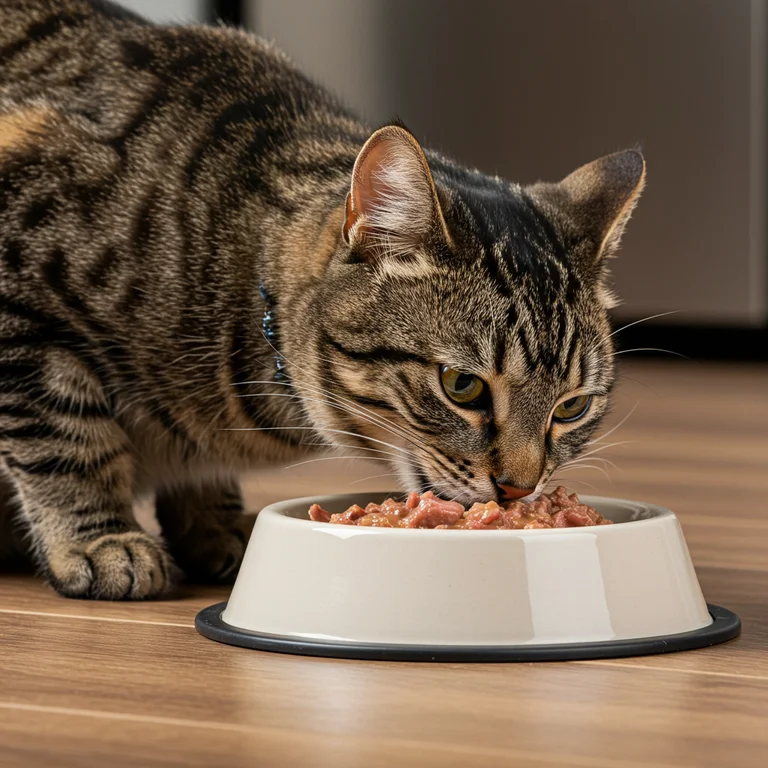
Wet food, also known as canned food, offers several advantages for cats.
- High Moisture Content: Wet food has a high moisture content (typically around 70-80%), which helps keep cats hydrated. This is especially beneficial for cats prone to urinary issues or those who don't drink enough water.
- Palatability: Many cats find wet food more palatable than dry food due to its stronger aroma and softer texture. This can be helpful for picky eaters or cats with decreased appetite.
- Lower Carbohydrate Content: Wet food generally has a lower carbohydrate content compared to dry food, which can be beneficial for cats with diabetes or those prone to weight gain.
- Easier to Chew: The soft texture of wet food makes it easier for cats with dental problems or older cats to chew and swallow.
The Cons Of Wet Food
Despite its benefits, wet food also has some drawbacks.
- Cost: Wet food is generally more expensive than dry food.
- Shorter Shelf Life: Once opened, wet food needs to be refrigerated and used within a day or two to prevent spoilage.
- Messiness: Wet food can be messier to serve and clean up compared to dry food.
- Dental Health Concerns: Wet food doesn't promote dental health as effectively as dry food, as it doesn't provide the abrasive action needed to remove plaque and tartar.

The Pros of Dry Food
Dry food, also known as kibble, is a popular choice for many cat owners.
- Cost-Effective: Dry food is generally more affordable than wet food.
- Longer Shelf Life: Dry food has a longer shelf life than wet food and can be left out for extended periods without spoiling.
- Convenience: Dry food is easy to measure, serve, and store.
- Dental Benefits: The crunchy texture of some dry food can help remove plaque and tartar, promoting dental health. Look for dental-specific dry food options.
The Cons of Dry Food
Dry food also has some disadvantages to consider.
- Lower Moisture Content: Dry food has a low moisture content (typically around 10%), which can contribute to dehydration, especially in cats who don't drink enough water.
- Higher Carbohydrate Content: Dry food often has a higher carbohydrate content compared to wet food, which may not be ideal for all cats.
- Palatability: Some cats find dry food less palatable than wet food.
- Overeating: Because dry food can be left out for extended periods, some cats may overeat, leading to weight gain.
Nutritional Content: What to Look For
Regardless of whether you choose wet or dry food, it's important to select a high-quality food that meets your cat's nutritional needs.
- High-Quality Protein: Look for cat food that lists a named meat source (e.g., chicken, salmon) as the first ingredient.
- Balanced Nutrients: Ensure that the food is formulated to meet the nutritional levels established by the Association of American Feed Control Officials (AAFCO).
- Limited Fillers: Avoid foods that contain excessive amounts of fillers, such as corn, wheat, and soy.
- Essential Nutrients: Look for foods that contain essential nutrients like taurine, which is crucial for heart and eye health in cats.

Dental Health: The Impact of Food Choice
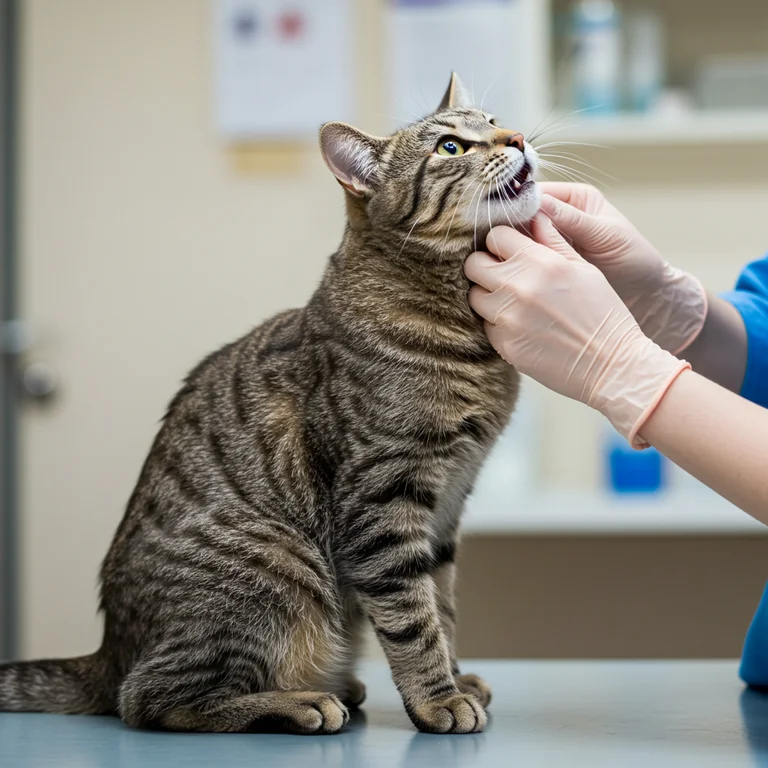
Dental health is an important consideration when choosing between wet and dry food.
- Dry Food Benefits: The crunchy texture of some dry food can help remove plaque and tartar, reducing the risk of dental disease.
- Wet Food Considerations: Wet food doesn't provide the same dental benefits as dry food. If you feed your cat wet food, consider supplementing with dental treats or regular teeth brushing.
- Dental-Specific Foods: Look for dry food specifically formulated to promote dental health. These foods often have larger kibble sizes and special coatings that help clean teeth.
Urinary Health: Hydration Matters
Proper hydration is crucial for maintaining urinary health in cats.
- Wet Food Advantage: The high moisture content of wet food helps keep cats hydrated, reducing the risk of urinary problems like urinary tract infections (UTIs) and crystal formation.
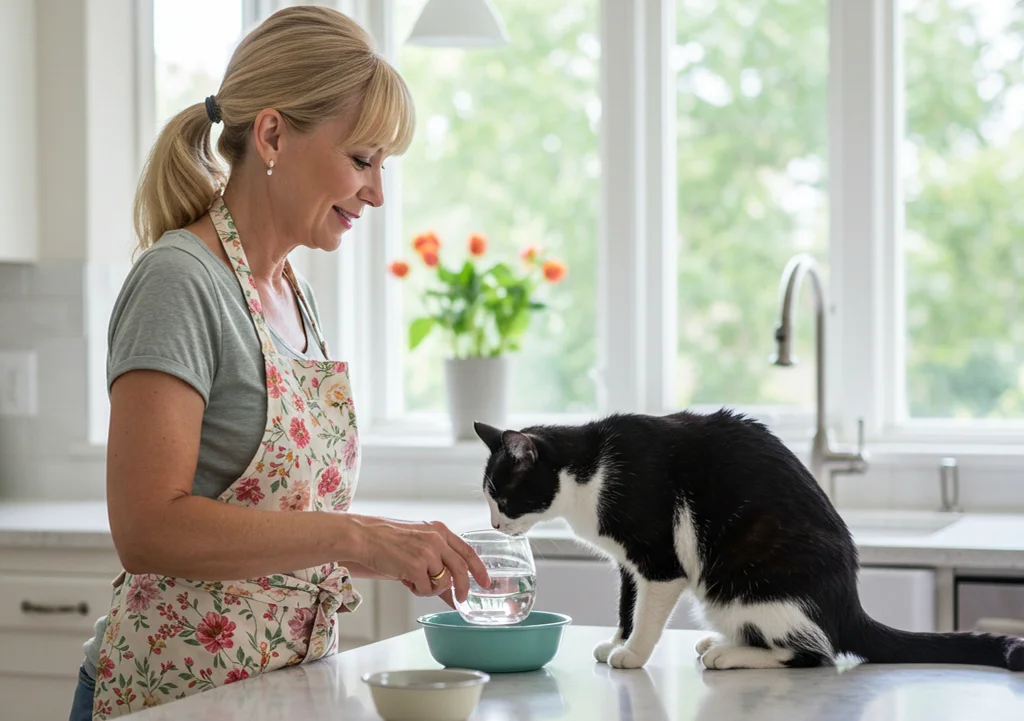
- Dry Food Considerations: If you feed your cat dry food, ensure they have access to plenty of fresh water. Consider using a water fountain to encourage drinking.
- Monitor Water Intake: Pay attention to your cat's water intake and consult your veterinarian if you notice any signs of urinary problems, such as straining to urinate or blood in the urine.
Lifestyle Considerations: Convenience and Cost
Your lifestyle and budget can also influence your choice between wet and dry food.
- Convenience: Dry food is more convenient for many cat owners due to its longer shelf life and ease of storage.
- Cost: Dry food is generally more affordable than wet food, making it a budget-friendly option.
- Automatic Feeders: Dry food can be used in automatic feeders, which can be helpful if you're away from home for extended periods.
Mixing Wet and Dry Food : A Balanced Approach
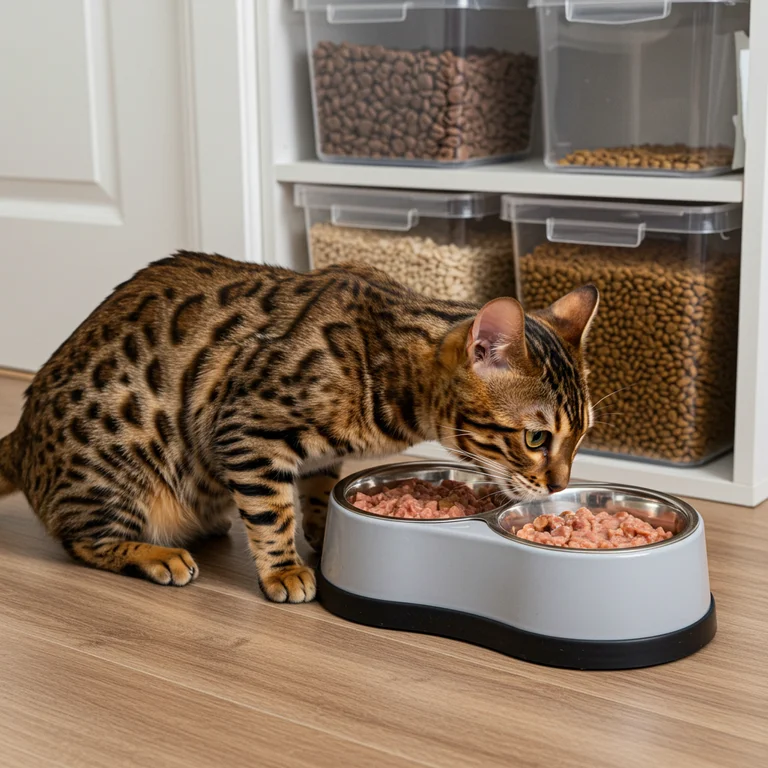
Some cat owners choose to feed their cats a combination of wet and dry food to reap the benefits of both.
- Hydration and Dental Health: Mixing wet and dry food can provide both hydration and dental benefits.
- Palatability and Convenience: It can also increase palatability for picky eaters while still offering the convenience of dry food.
- Portion Control: Be mindful of portion sizes when mixing wet and dry food to prevent overfeeding.
Consulting Your Vet: Personalized Recommendations
The best way to determine the right food for your cat is to consult with your veterinarian.
- Individual Needs: Your veterinarian can assess your cat's individual needs based on their age, health, and lifestyle.
- Specific Conditions: They can also recommend specific diets to manage any health conditions your cat may have, such as diabetes, kidney disease, or allergies.
- Dietary Changes: Always consult your veterinarian before making any significant changes to your cat's diet.
Conclusion: Making the Right Choice for Your Cat
Choosing between wet and dry food depends on your cat's individual needs, your lifestyle, and your budget. By understanding the pros and cons of each type of food and consulting with your veterinarian, you can make an informed decision that supports your cat's health and well-being. Remember that providing a balanced diet, fresh water, and regular veterinary care are essential for a happy and healthy feline companion.
Find a cat companion with our quick, fun quiz!
Match me