Decoding Cat Allergies: What You Should Know
Do you love cats but find yourself sneezing, with itchy eyes, or a stuffy nose whenever one is near? This common problem can make you feel like having a cat is just not possible. But if you understand what causes cat allergies and learn about some common ideas that aren't quite right, you might find a way to live happily with a furry friend. This article will give you clear and kind advice to help you understand cat allergies and find ways to share your home comfortably with a cat.
Allergies and Hypoallergenic Cats:

- What Causes Cat Allergies? It's Not Just the Fur!
- Understanding 'Hypoallergenic' Cats
- Cats That Might Be Easier for People with Allergies
- Making Your Home Allergy-Friendly: Simple Steps
- Talking to a Doctor and Treatments Available
- Thinking About Adopting? Try a 'Trial Run'
- Finding Your Perfect Cat Friend
What Causes Cat Allergies? It's Not Just the Fur!
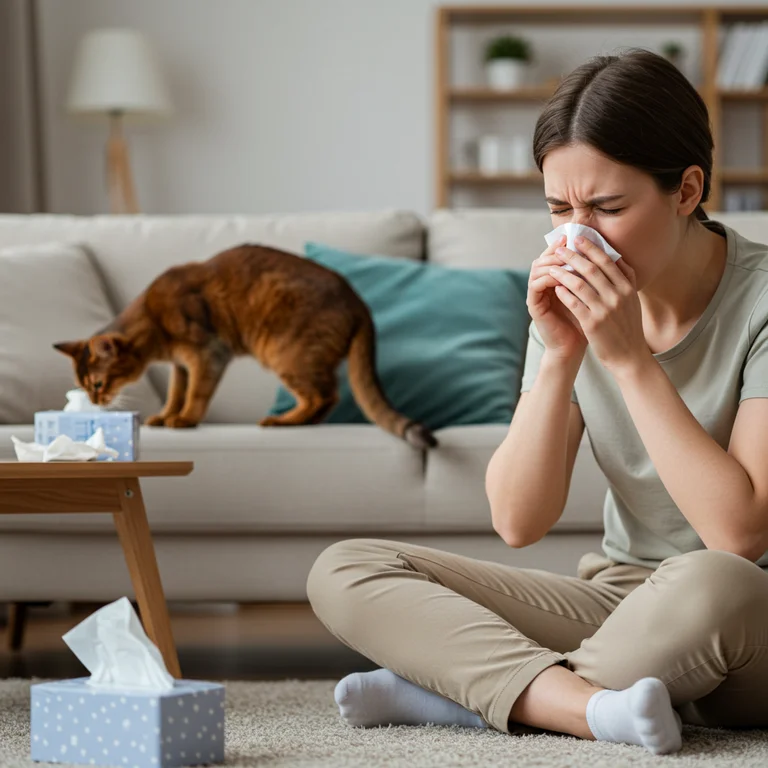
Many people think that cat fur is the main reason for allergic reactions. But actually, allergies are caused by special proteins that cats make. The most important one is called Fel d 1 . This protein causes allergic reactions in most people who are sensitive to cats, about 95% of them.
Fel d 1 mostly comes from a cat's spit (saliva) and skin glands. It can also come from other glands. When a cat cleans itself by licking its fur, it spreads this protein-rich spit onto its coat. When the spit dries, the Fel d 1 protein, along with tiny flakes of dead skin called dander , can float into the air. These very tiny particles can stay in the air for a long time. They can then land on things like carpets, furniture, and beds all over your home. They can even stay there for many months, even if the cat is no longer in the house.
The problem with Fel d 1 is that it's very small and spreads easily. It can travel on clothes and other items, so you might be around cat allergens even in places where no cat lives, like your workplace or school. This shows why just removing visible fur or keeping a cat in one room won't completely solve the allergy problem. You need to think about how these tiny, invisible particles spread and stay in the air.
We don't fully know why cats make Fel d 1. But scientists are looking into ways to make cats that don't produce Fel d 1, which could be a big help for people with severe allergies.
Common Cat Allergy Symptoms
When you are around these allergens, you might have different symptoms, from mild to strong, depending on how sensitive you are and how much allergen is in the air. Symptoms can start right away or a few hours later.
Common signs of a cat allergy often include:
- Breathing Problems: Sneezing, a runny or blocked nose, pain in the face from a blocked nose, coughing, a tight feeling in the chest, trouble breathing, and a whistling sound when breathing (wheezing).
- Eye Problems: Itchy, red, or watery eyes.
- Skin Problems: A skin rash or itchy bumps (hives), which might show up after touching a cat or things it has touched.
If you already have asthma, being around cat allergens can make your asthma symptoms worse.

Thinking About 'Hypoallergenic' Cats
It's important to clear up a common misunderstanding: there is no such thing as a cat that causes no allergies at all . All cats, no matter their breed, make the Fel d 1 protein. This is because it comes from their spit, skin glands, and urine. Even cats with no hair, like the Sphynx, still make Fel d 1. The word "hypoallergenic" just means "less likely to cause allergies," not "no allergies."
Experts agree that a cat that causes no allergies is a myth. If people believe this myth, they might get a cat and then find their allergies are still bad, or even worse. This can be very upsetting and sometimes means they have to find a new home for the cat. This is why it's so important to know the truth and to spend time with a specific cat before you decide to adopt it.
Why Some Cats Might Be Less Allergenic
The main difference between cats is how much Fel d 1 protein they make and how easily this protein spreads in your home. Some cats might naturally make less Fel d 1 because of their genes. Also, cats that shed less fur or have certain types of coats might spread fewer allergens around your home. This is because cat fur is a main way Fel d 1 travels from the cat's body into your living space.
Things That Change Fel d 1 Levels
A few things can affect how much Fel d 1 a cat produces:
- Each Cat is Different: This is very important. How much Fel d 1 a cat makes can be very different from one cat to another, even if they are the same breed. Also, the amount can change in the same cat over time. This means that just picking a "hypoallergenic" breed doesn't promise you won't have allergies.
- Sex and Spaying/Neutering: Male cats usually make more Fel d 1 than female cats. Male cats who have not been neutered make much more Fel d 1 (3 to 5 times more) than neutered males. This shows that hormones play a big part. So, neutering a male cat can lower its allergen levels.
- Cat Age: Young kittens usually make less Fel d 1 than adult cats.
- Fur Color or Length: What color a cat's fur is or how long it is does not seem to change how much Fel d 1 it makes. However, long-haired cats might spread more allergens because their fur can carry more dander when they shed.

Cats That Might Be Easier for People with Allergies
Remember, no cat is truly allergy-free , and how a person reacts can be very different from one person to another, and even from one cat to another. The cats listed here are generally thought to be more friendly for people with allergies because they tend to make less Fel d 1 protein or shed less. This means fewer allergens might spread in your home.
Here are a few examples of cat breeds often talked about for people with allergies:
- Siberian: These cats have long, thick fur, but they are often known for making lower amounts of the Fel d 1 protein.
- Russian Blue: These cats have a soft, silvery-blue coat and are believed to make less Fel d 1. Their thick fur might also help keep allergens close to their body.
- Sphynx: These cats have no fur. Even though they still make Fel d 1, they don't have fur to spread it around as much. But they need regular baths to wash away skin oils that carry allergens.
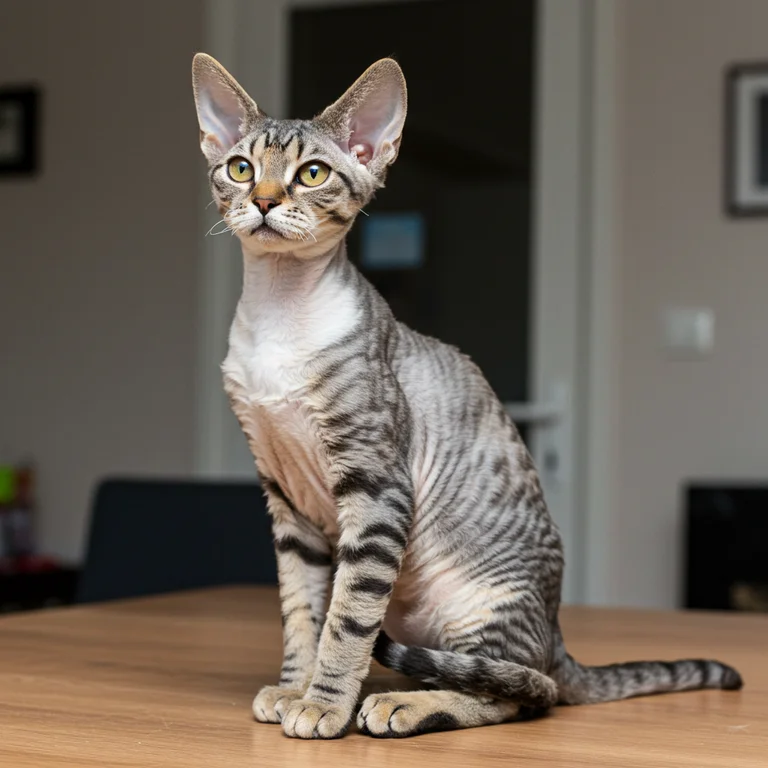
- Devon Rex: These cats have a special curly, short, and fine coat that sheds very little. This means less Fel d 1 is spread in the air, which can be helpful for some people with allergies.
Living Comfortably with Cats: Practical Strategies
If you have cat allergies but want to live with a cat, you can do many things to make your home more comfortable. It's about reducing the amount of allergens in your home and how much you are exposed to them.
Making Your Home Allergy-Friendly
Making your home a better place for allergies is very important. One good idea is to have bathing your cat , especially your bedroom. This gives you a safe place away from allergens, helping you sleep better and lowering your overall exposure.
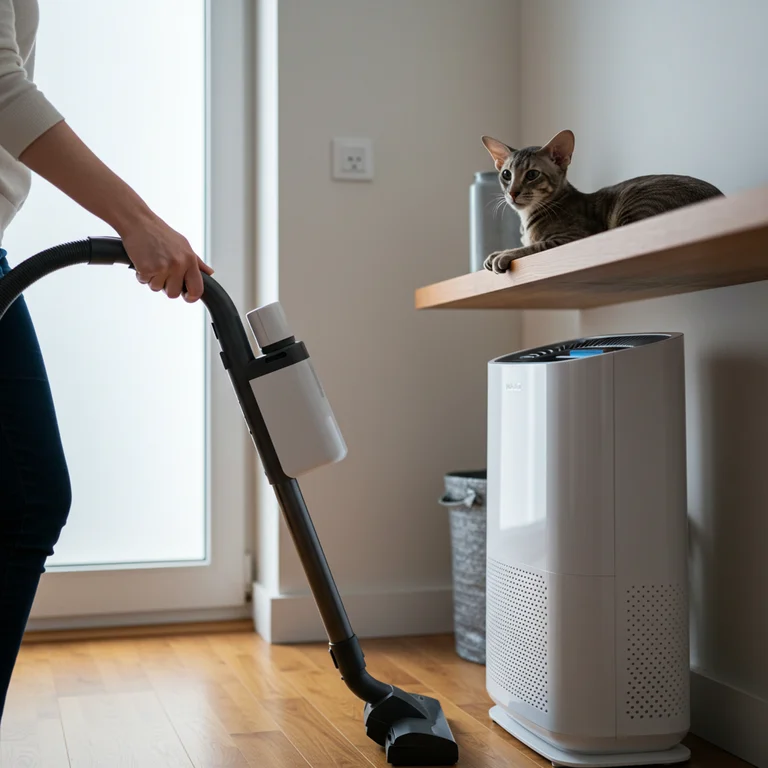
Using bathing your cat is another key step. These filters, found in air purifiers or vacuum cleaners, are very good at catching tiny particles in the air, like pet dander and other allergens. Running air purifiers all the time, especially in bedrooms and living rooms, can greatly lower the amount of allergens in the air.
Regular and careful cleaning is also very important. Instead of dry dusting or sweeping, which can make allergens fly into the air, use damp cloths or special dusting tools that trap allergens. Vacuum carpets and furniture often with a HEPA-filtered vacuum, because carpets can hold a lot more allergens than smooth floors. If you can, change carpets to hard floors like wood or tile, which are easier to keep clean. Wash bedding, curtains, and any fabrics your cat touches (like cat beds or furniture covers) often in hot water to remove allergens. Opening windows when you can also helps to air out allergens.
Grooming & Keeping Clean
Taking good care of your cat's grooming helps a lot to reduce allergen spread. Even if your cat doesn't like it much, bathing your cat every four to six weeks with a special cat shampoo can greatly lower the amount of Fel d 1 on their fur. But don't bathe too often, as it can make their skin dry and possibly create more dander.
Regular brushing is also very helpful. It's best if someone in the family who doesn't have allergies does this outside, so the allergens don't spread inside. If you have to brush your cat, wear gloves and a mask. Wiping your cat with a damp cloth between baths can also help pick up loose fur and dander.
Some special cat foods, like Purina Pro Plan LiveClear, have ingredients that help reduce the Fel d 1 in a cat's spit. This can lower the amount of active allergen released when the cat grooms itself.
Thinking About Good Personal Habits
It's very important for people with allergies to keep themselves clean. Always wash your hands well with soap and water right after petting or playing with your cat. Try not to touch your face, especially your eyes, until your hands are clean. Change and wash your clothes right away after spending a lot of time with your cat to remove allergens that stick to them.
Talking to a Doctor and Treatments Available
If you have allergy symptoms that don't go away or get worse, or if they are very strong, it's a good idea to talk to a doctor, especially an allergist. Sometimes, it's hard to tell if your symptoms are from a cat allergy, a common cold, or other allergies. An allergist can do tests, like a skin-prick test or a blood test, to find out exactly what you are allergic to.
Treatment Options
Once a cat allergy is confirmed, there are several ways to help manage your symptoms:
- Medicines: You can use medicines you buy at the store or get from a doctor. These include pills for allergies (like antihistamines), nose sprays, and eye drops. They can help with sneezing, runny nose, itchy eyes, and wheezing. These medicines help with symptoms but don't cure the allergy.
- Allergy Shots (Immunotherapy): For longer-lasting help, allergy shots are a good choice. This treatment slowly gives your body small amounts of the cat allergen. Over time, your body learns to handle it better and reacts less strongly. This can take a few years, but it can greatly reduce allergy symptoms for many people. There are also allergy drops or tablets you can put under your tongue.
Thinking About Adopting? Try a 'Trial Run'
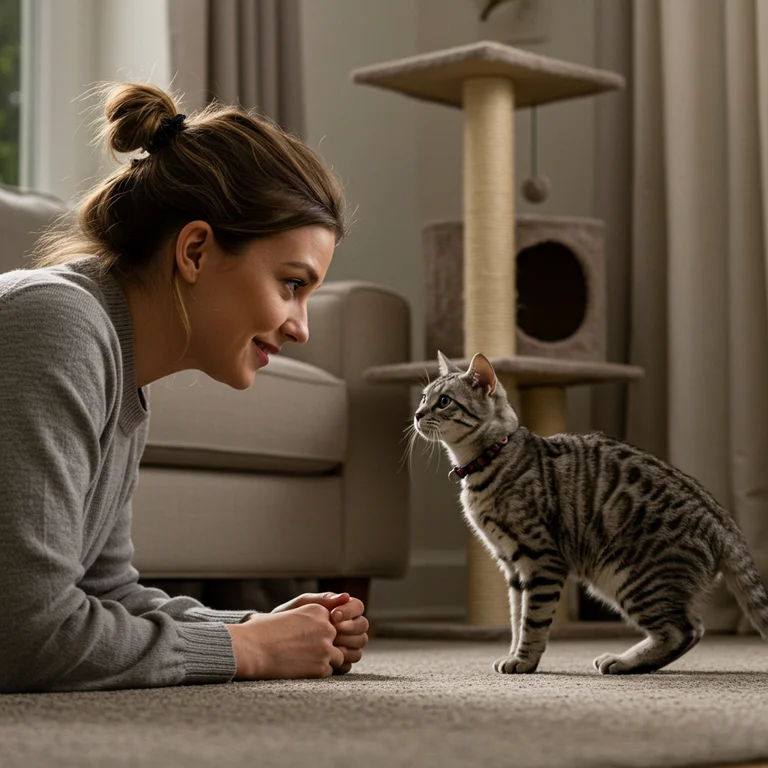
If you have cat allergies but really want a cat, it's very helpful to spend time with a specific cat first. Many animal shelters and rescue groups offer trial adoption programs .
These programs let you take a cat home for a short time, usually a week to a few months. This lets you see how you react to that particular cat in your own home before you make a final decision. It's a great way to learn about the cat's personality and, most importantly, how your allergies respond. You'll need to have cat supplies ready, like food, a litter box, and bowls.
Remember that a cat might act differently in the first few days or weeks as it gets used to a new home. Shelter staff can give you advice, and you might even be able to ask for more time if you need it to decide. Even with a trial adoption, remember that no cat is completely allergy-free, and how you react can still be different. But this way gives you the best chance to see how a specific cat affects your allergies.
Finding Your Perfect Cat Friend
Having cat allergies doesn't mean you can't have a cat. While the idea of a completely "hypoallergenic" cat isn't true, knowing that some cats might cause fewer allergies gives you more hope. The key is to manage allergens well so you can live comfortably together.
By focusing on keeping your home clean, taking good care of your cat's grooming, and using modern food and medical treatments when needed, you can greatly reduce your exposure to allergens and feel better. If you are thinking about adopting, a trial run is a great way to find a cat that fits into your life without making your allergies too bad. With patience, planning, and a kind approach, you can find your perfect cat friend and enjoy the special bond a cat brings to your home.
Further reference:
- American Academy of Allergy, Asthma & Immunology (AAAAI):
- American Animal Hospital Association (AAHA):
- Cornell University College of Veterinary Medicine:
- The International Cat Association (TICA):
- ASPCA:
- Purina Pro Plan LiveClear:
- Jackson Galaxy:
Find a cat companion with our quick, fun quiz!
Match me