The Real Costs of Owning a Cat
So, you're dreaming of cuddling a playful cat? Cats can bring immense joy, but it's important to go in with your eyes wide open about the costs involved. Many first-time cat owners are surprised by the expenses that crop up beyond the initial adoption fee. This guide provides a realistic overview of the costs of owning a cat, so you can make an informed decision and provide the best possible life for your new feline friend.
The Real Costs of Owning a Cat:

- Initial Costs of Cat Ownership
- Ongoing Food Costs
- Litter and Waste Disposal
- Healthcare Costs: Vet Visits and Preventative Care
- Grooming Costs
- Toys and Entertainment
- Pet Sitting and Boarding
- Unexpected Costs and Emergencies
Initial Costs of Cat Ownership
The initial costs of getting a cat can vary widely depending on whether you adopt from a shelter, purchase from a breeder, or take in a stray. Here's a breakdown of potential one-time expenses (in US dollars):
- Adoption Fees: Shelters and rescues typically charge adoption fees, which can range from $50 to $200. These fees often include vaccinations, spaying/neutering, and microchipping.
- Purchase Price: Purchasing a cat from a breeder can cost anywhere from $500 to several thousand dollars, depending on the breed.
- Initial Vet Visit: A check-up with the vet is essential when you first get your cat. This will cost around $50 - $100.
- Essential Supplies: You'll need to purchase essential supplies such as a litter box, food and water bowls, a scratching post, a bed, and a carrier. These items can cost between $100 and $300.
- Spaying/Neutering: If the cat hasn't already been spayed/neutered, this procedure can cost between $100 and $300.
- Microchipping: Microchipping, if not already done, typically costs $40-$60.


Ongoing Food Costs
Food is a recurring expense that will vary depending on the type and quality of food you choose. Consider these factors:
- Type of Food: Dry food is generally more affordable than wet food, but wet food can be beneficial for hydration.
- Quality of Food: Higher-quality food often contains better ingredients and can contribute to your cat's overall health.
- Dietary Needs: If your cat has specific dietary needs or health issues, specialized food can be more expensive.
On average, you can expect to spend between $20 and $50 per month on cat food.
Litter and Waste Disposal
The cost of cat litter depends on the type you choose and how often you need to replace it. Options include:
- Clay Litter: This is the most affordable option but can be dusty and less effective at odor control.
- Clumping Litter: This type forms clumps when wet, making it easier to scoop.
- Crystal Litter: Crystal litter is highly absorbent and offers excellent odor control.
- Eco-Friendly Litter: Options like paper, wood, or corn-based litter are more environmentally friendly but can be more expensive.
Expect to spend between $15 and $40 per month on cat litter.
Healthcare Costs: Vet Visits and Preventative Care
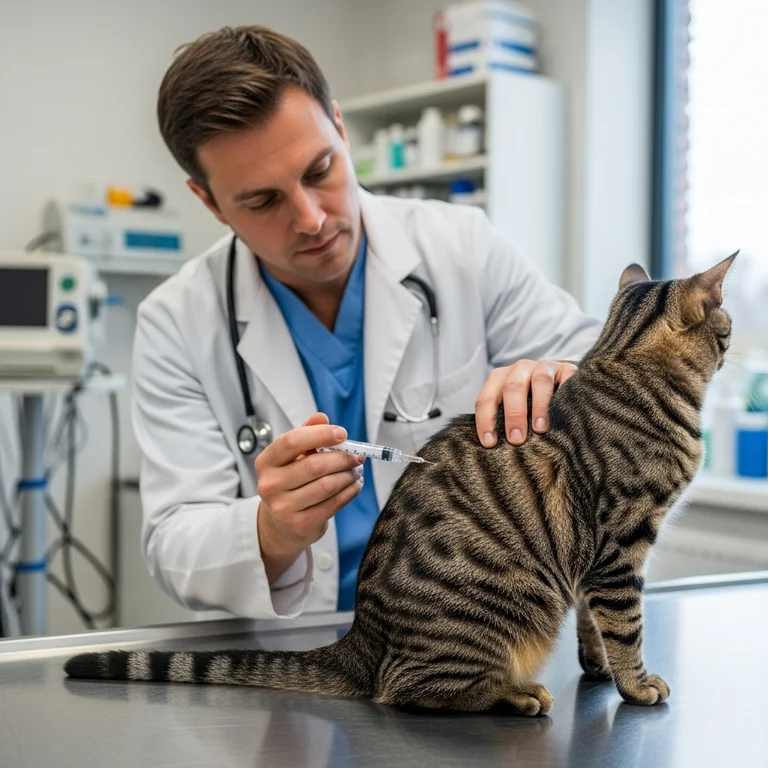
Regular veterinary care is crucial for your cat's health and well-being. These costs can include:
- Annual Check-ups: Yearly check-ups, including vaccinations and parasite prevention, can cost between $100 and $200.
- Vaccinations: Core vaccinations (feline distemper, calicivirus, herpesvirus, and rabies) are essential for protecting your cat from common diseases.
- Flea and Tick Prevention: Monthly flea and tick preventatives can cost between $10 and $30.
- Heartworm Prevention: Although less common in cats than dogs, heartworm prevention may be recommended by your veterinarian.
- Dental Care: Regular dental cleanings can help prevent dental disease and may cost between $200 and $500.
Consider pet insurance to help offset unexpected veterinary costs due to illness or injury.
Grooming Costs
Grooming needs vary depending on your cat's breed and coat length. Costs can include:
- Brushing: Regular brushing is essential for preventing mats and hairballs, especially for long-haired cats. A good brush will cost around $10 - $30.
- Nail Trimming: If you're not comfortable trimming your cat's nails yourself, a groomer can do it for you for around $10 to $20 per session.
- Professional Grooming: Long-haired cats may require professional grooming every few months, which can cost between $50 and $100 per session.
Toys and Entertainment
Cats need toys and stimulation to stay happy and healthy. While you don't need to spend a fortune, it's important to provide a variety of toys to keep them entertained.
- Basic Toys: Toys like balls, mice, and feather wands are relatively inexpensive and can provide hours of entertainment.
- Scratching Posts: Provide a variety of scratching surfaces to satisfy your cat's natural instincts.
- Puzzle Toys: Puzzle toys can provide mental stimulation and help prevent boredom.
Plan to spend around $10-$30 a month on toys and entertainment.
Pet Sitting and Boarding
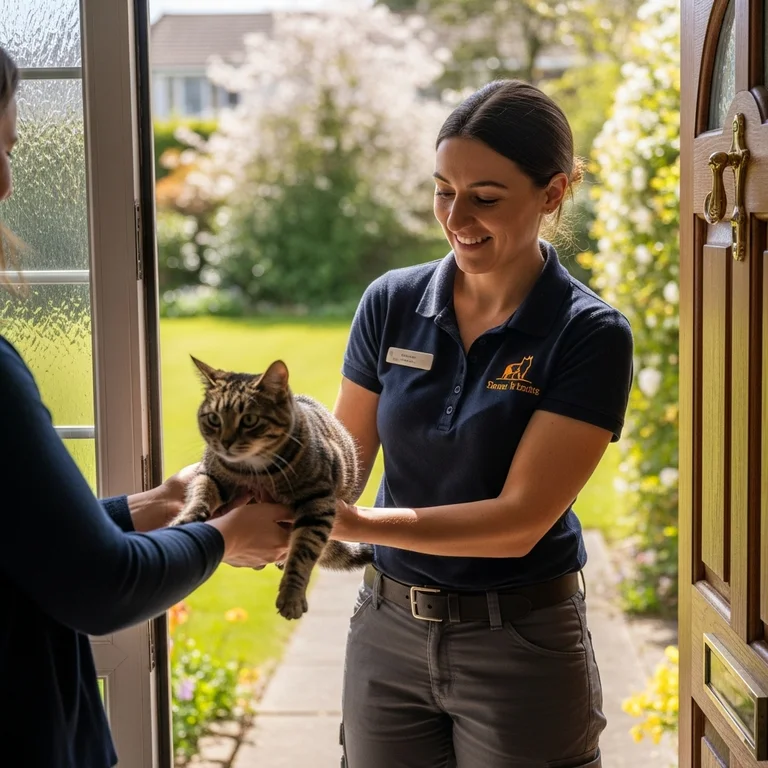
If you travel frequently, you'll need to factor in the cost of pet sitting or boarding.
- Pet Sitter: A pet sitter can come to your home to feed your cat, clean the litter box, and provide companionship. The cost typically ranges from $20 to $50 per visit.
- Boarding: Boarding your cat at a kennel or veterinary clinic can cost between $30 and $60 per night.
Unexpected Costs and Emergencies
It's important to be prepared for unexpected costs, such as:
- Emergency Vet Visits: Unexpected illnesses or injuries can result in costly emergency vet visits.
- Medications: Your cat may require medication for chronic conditions or temporary illnesses.
- Damage to Property: Cats can sometimes cause damage to furniture or other property.
Having a financial cushion or pet insurance can help you manage these unexpected expenses.
Owning a cat can be a rewarding experience, but it's important to be aware of the costs involved. By budgeting for these expenses, you can ensure that you're able to provide your cat with the best possible care.
Further reference:
The Spruce Pets - How Much Does a Cat Cost?
Find a cat companion with our quick, fun quiz!
Match me