Litter Box Training for Your Cat
Is your new kitten having accidents outside the litter box? Or perhaps your adult cat has suddenly stopped using it altogether? Litter box issues are a common frustration for cat owners, but with patience and the right approach, you can successfully litter box train your cat and restore harmony to your home. This guide provides a comprehensive overview of litter box training, covering everything from choosing the right litter box to addressing common problems.
Litter Box Training for Cats:

- Choosing the Right Litter Box
- Selecting the Right Litter
- Introducing Kittens to the Box
- Training Adult Cats
- Importance of Litter Box Placement
- Establishing a Cleaning Schedule
- Addressing Accidents
- Ruling Out Medical Reasons
- Stress and Anxiety Factors
- Training with Multiple Cats
- Conclusion
Choosing the Right Litter Box : Size, Type, and Location
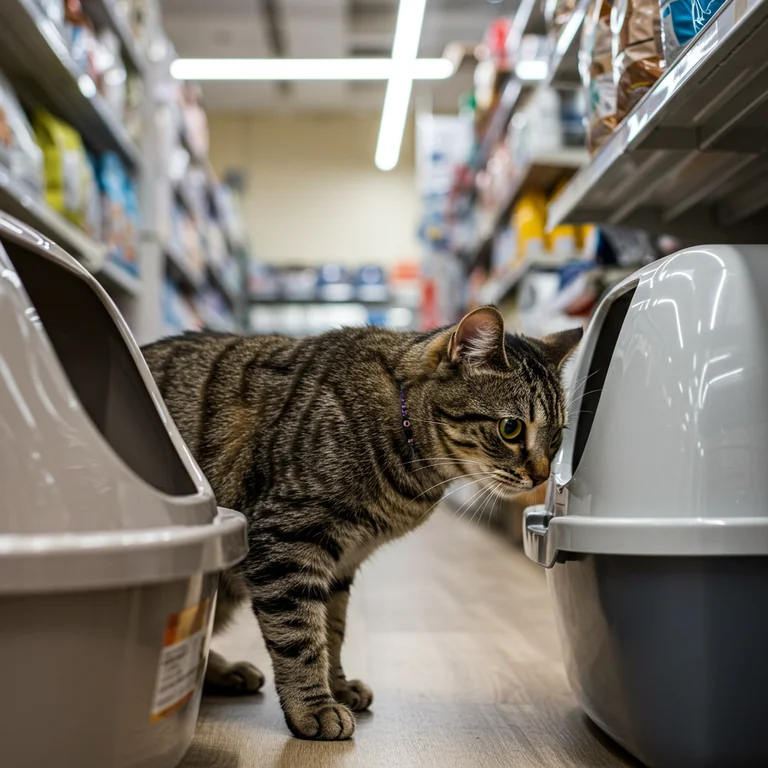
Selecting the right litter box is the first step in successful litter box training. Consider the size, type, and location of the box to meet your cat's needs.
- Size Matters: The litter box should be large enough for your cat to turn around comfortably and dig without making a mess. A general rule is that the box should be at least 1.5 times the length of your cat.
-
Types of Box:
- Open Litter Boxes: These are the most common type and offer good ventilation.
- Covered Litter Boxes: These provide more privacy and help contain odors, but some cats may feel trapped inside.
- Self-Cleaning Litter Boxes: These automated boxes can save time and effort, but they can be expensive and may scare some cats.
- Consider Your Cat's Age and Mobility: Kittens and senior cats may have difficulty climbing into high-sided litter boxes. Choose a box with a low entry point for easy access.
Selecting the Right Litter : Finding Your Cat's Preference
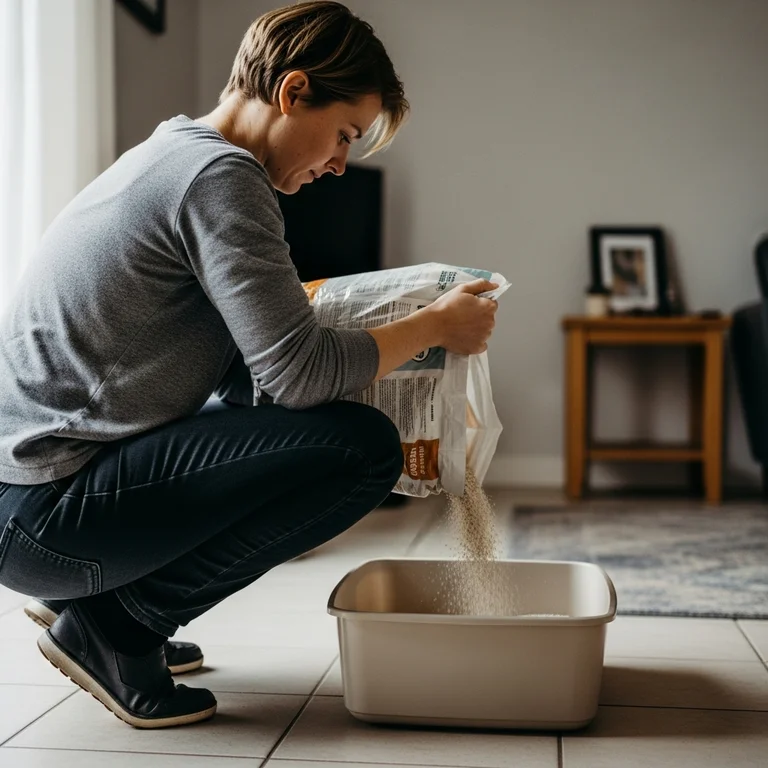
Cats can be particular about the type of litter they prefer. Experiment with different types to find one that your cat likes.
-
Types of Litter:
- Clumping Litter: This type forms solid clumps when wet, making it easy to scoop and clean.
- Non-Clumping Litter: This type absorbs urine but doesn't form clumps. It needs to be changed more frequently.
- Crystal Litter: This type is highly absorbent and controls odors well, but some cats may not like the texture.
- Natural Litter: This includes options like wood, paper, and corn litter, which are biodegradable and environmentally friendly.
- Scented vs. Unscented: Many cats prefer unscented litter, as strong scents can be irritating.
- Gradual Transition: When switching litters, gradually mix the new litter with the old litter to allow your cat to adjust.
Introducing Your Kitten to the Litter Box: Early Training
Kittens typically learn to use the litter box quickly. Here's how to introduce your kitten to the litter box and encourage good habits.
- Placement: Place the litter box in a quiet, accessible location away from food and water.
- Introduction: After meals and naps, gently place your kitten in the litter box.
- Encourage Digging: Gently scratch the litter with your fingers to encourage your kitten to dig.
- Positive Reinforcement: When your kitten uses the litter box, praise them and offer a small treat.
- Cleanliness: Keep the litter box clean by scooping it daily.
Litter Box Training an Adult Cat : Starting Fresh
If you're adopting an adult cat or retraining a cat with litter box issues, follow these steps to start fresh.
- Confine to a Small Area: Initially, confine your cat to a small room with the litter box, food, water, and bed.
- Frequent Litter Box Visits: Place your cat in the litter box several times a day, especially after meals and naps.
- Positive Reinforcement: Reward your cat with praise and treats when they use the litter box.
- Gradual Expansion: Once your cat is consistently using the litter box, gradually expand their access to other areas of the house.
The Importance of Litter Box Placement : Accessibility and Privacy
Litter box placement is crucial for encouraging consistent use. Consider these factors when choosing a location.
- Accessibility: The litter box should be easily accessible to your cat at all times. Avoid placing it in a basement or other hard-to-reach location.
- Privacy: Cats prefer to eliminate in private. Choose a quiet, low-traffic area where your cat won't be disturbed.
- Avoid Food and Water: Don't place the litter box near food and water bowls, as cats don't like to eliminate near their eating areas.
- Multiple Locations: In a multi-story home, provide litter boxes on each floor.
Establishing a Cleaning Schedule : Maintaining Hygiene
A clean litter box is essential for encouraging consistent use. Establish a regular cleaning schedule to maintain hygiene.
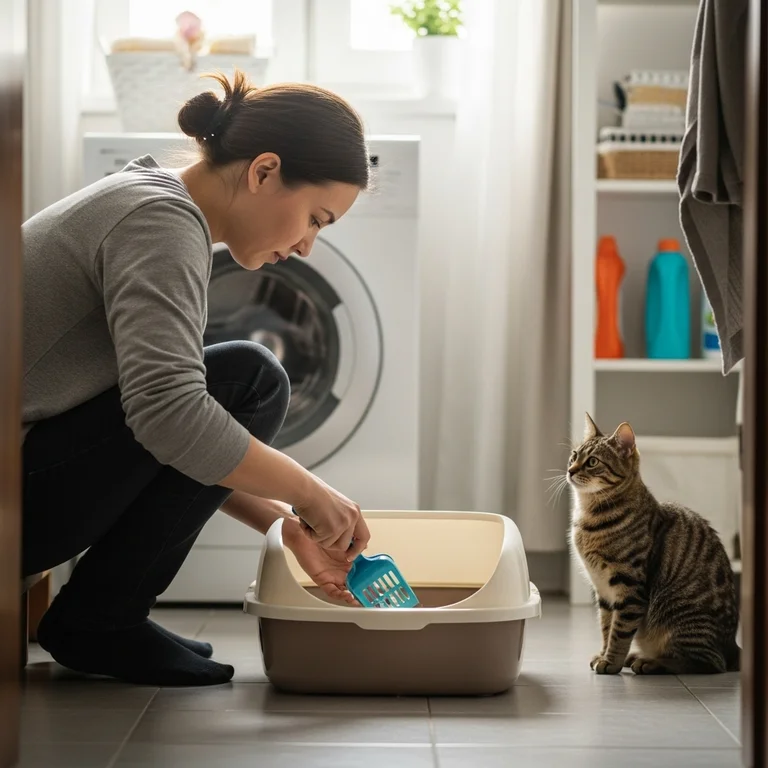
- Daily Scooping: Scoop the litter box at least once a day to remove solid waste and clumps.
- Weekly Cleaning: Empty the entire litter box and wash it with mild soap and water at least once a week. Avoid using harsh chemicals or scented cleaners.
- Litter Replacement: Replace the litter completely when it becomes saturated or starts to smell.
Addressing Accidents Outside the Litter Box: Identifying the Cause
If your cat is having accidents outside the litter box, it's important to identify the underlying cause.
- Clean Accidents Thoroughly: Use an enzymatic cleaner to remove all traces of urine and feces. Regular cleaners may not eliminate the odor, which can attract your cat back to the same spot.
- Observe Your Cat's Behavior: Pay attention to when and where your cat is having accidents. This can provide clues about the cause.
- Consider Potential Stressors: Changes in the environment, such as a new pet, a new baby, or a move, can cause stress and lead to litter box problems.
Ruling Out Medical Reasons : Consulting Your Veterinarian
Litter box problems can sometimes be a sign of an underlying medical condition. It's important to consult your veterinarian to rule out any medical causes.
-
Common Medical Conditions:
- Urinary Tract Infections (UTIs): UTIs can cause frequent urination, straining, and pain, leading cats to avoid the litter box.
- Bladder Stones: Bladder stones can cause similar symptoms to UTIs.
- Kidney Disease: Kidney disease can increase urine production, making it difficult for cats to reach the litter box in time.
- Arthritis: Arthritis can make it painful for cats to climb into the litter box.
- Veterinary Examination: Your veterinarian can perform a physical examination and run tests to diagnose any underlying medical conditions.
Stress and Anxiety : Environmental Factors Affecting Litter Box Use
Stress and anxiety can significantly impact a cat's litter box habits. Identifying and addressing stressors in your cat's environment can help resolve litter box problems.
-
Common Stressors:
- Changes in the Home: Moving furniture, redecorating, or introducing new people or pets can cause stress.
- Loud Noises: Construction, thunderstorms, or fireworks can be frightening for cats.
- Lack of Safe Spaces: Cats need access to safe, quiet places where they can retreat and feel secure.
-
Reducing Stress:
- Provide Safe Spaces: Offer multiple hiding places, such as cardboard boxes or covered cat beds.
- Use Pheromone Diffusers: Feliway diffusers release synthetic feline pheromones that can help reduce stress and anxiety.
- Maintain a Routine: Cats thrive on routine. Stick to a consistent feeding and playtime schedule.
Litter Box Training with Multiple Cats : Ensuring Adequate Resources
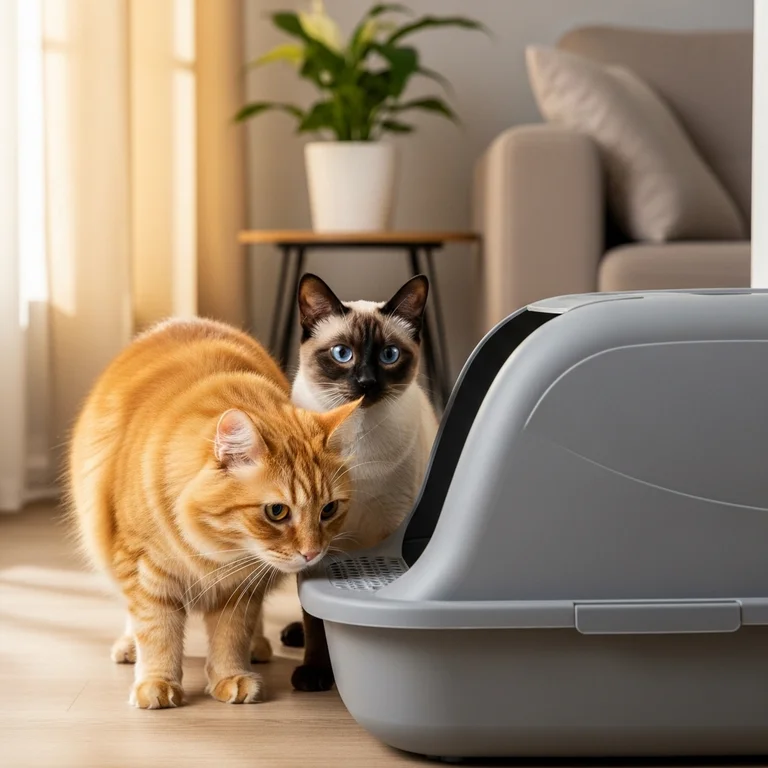
In multi-cat households, it's essential to provide adequate litter box resources to prevent competition and territorial issues.
- Number of Litter Boxes: The general rule is to have one litter box per cat, plus one extra. For example, if you have three cats, you should have four litter boxes.
- Placement: Place litter boxes in multiple locations to prevent one cat from guarding access to all the boxes.
- Size and Type: Ensure that the litter boxes are large enough for all your cats to use comfortably. Offer a variety of box types to cater to individual preferences.
Conclusion: A Happy Cat, A Clean Home
Litter box training requires patience, consistency, and a good understanding of your cat's needs. By choosing the right litter box and litter, providing a clean and accessible environment, and addressing any underlying medical or behavioral issues, you can successfully litter box train your cat and enjoy a happy, clean home. Remember to consult your veterinarian for personalized advice and to rule out any medical causes of litter box problems.
Find a cat companion with our quick, fun quiz!
Match me