Cat Behavior: Why Do Cats Do That?
Cats are fascinating creatures with a unique set of behaviors that can sometimes seem mysterious to their human companions. Understanding these behaviors can help you build a stronger bond with your cat and provide them with the environment they need to thrive. Let's explore some common feline behaviors and the reasons behind them.
Cat Behavior: Why do Cats do that?

- Kneading: The 'Making Biscuits' Behavior
- Purring: More Than Just Happiness
- Scratching: A Natural Instinct
- Head Butting (Bunting): Marking Territory
- Bringing 'Gifts': A Hunter's Instinct
- Hiding: Seeking Security and Comfort
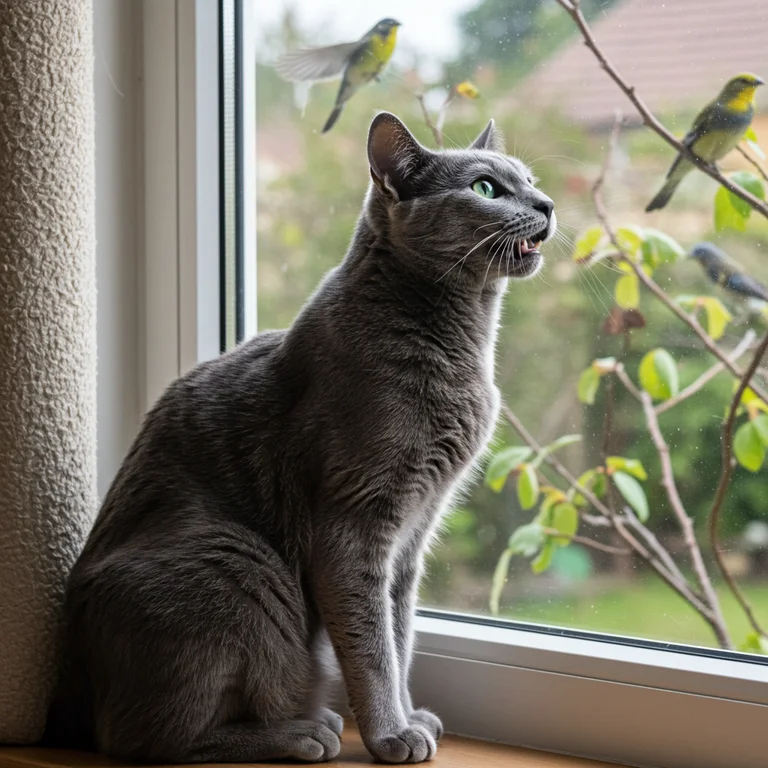
- Chattering at Birds: The Thrill of the Chase
- Eating Grass: Soothing an Upset Stomach
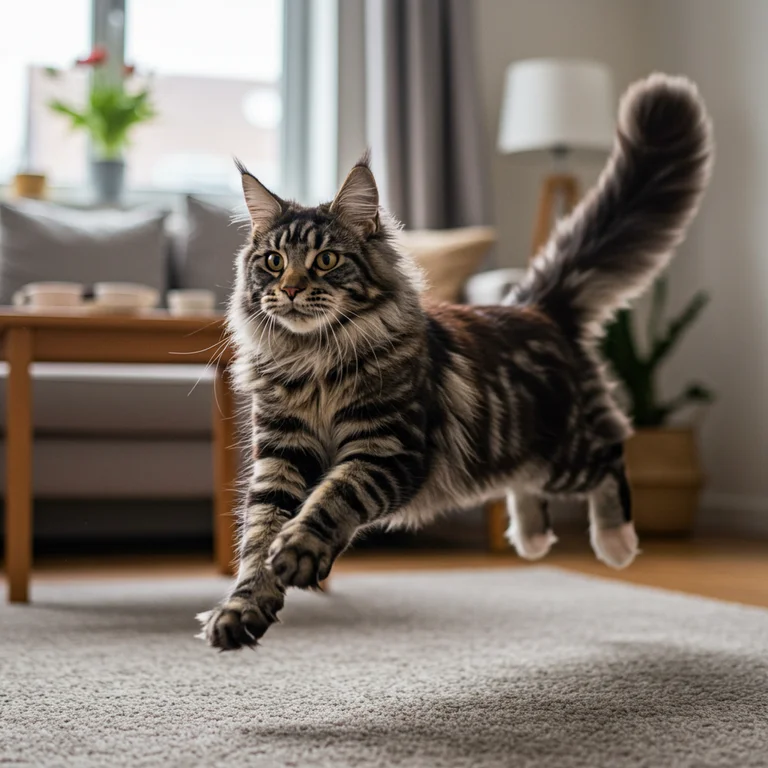
- The 'Zoomies': Bursts of Energy
- Tail Twitching: Reading Your Cat's Mood
- Conclusion: Decoding Your Cat's Language
Kneading: The 'Making Biscuits' Behavior
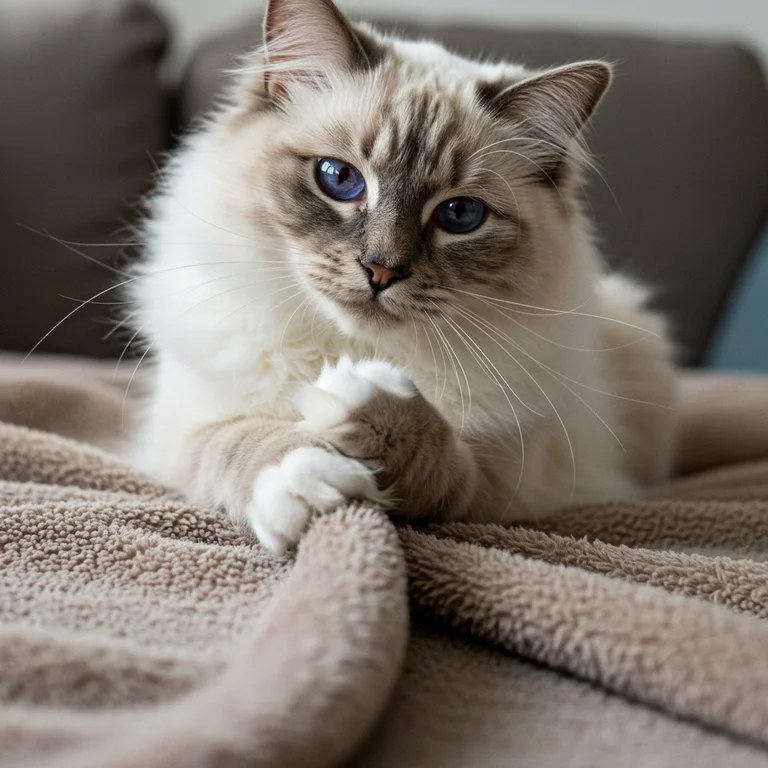
Many cats engage in a behavior known as kneading, where they rhythmically push their paws into a soft surface, such as a blanket or your lap. This behavior is often accompanied by purring and a look of contentment.
- Comfort and Security: Kneading is thought to be a remnant of kittenhood, when kittens knead their mother's belly to stimulate milk flow. As adults, cats may knead to self-soothe and create a sense of comfort and security.
- Marking Territory: Cats have scent glands in their paws, and kneading releases these scents, marking the area as their own.
- Showing Affection: Kneading can also be a sign of affection towards their human companions. If your cat kneads on you, it's a sign that they feel safe and comfortable in your presence.
Purring: More Than Just Happiness
Purring is often associated with happiness and contentment in cats, but it can also indicate other emotions and needs.
- Contentment: Cats often purr when they're feeling relaxed, comfortable, and content.
- Self-Soothing: Cats may also purr when they're feeling stressed, anxious, or in pain. The vibrations of purring are thought to have a therapeutic effect, promoting healing and pain relief.
- Communication: Kittens purr to communicate with their mothers, and adult cats may purr to communicate with their human companions.
Scratching: A Natural Instinct
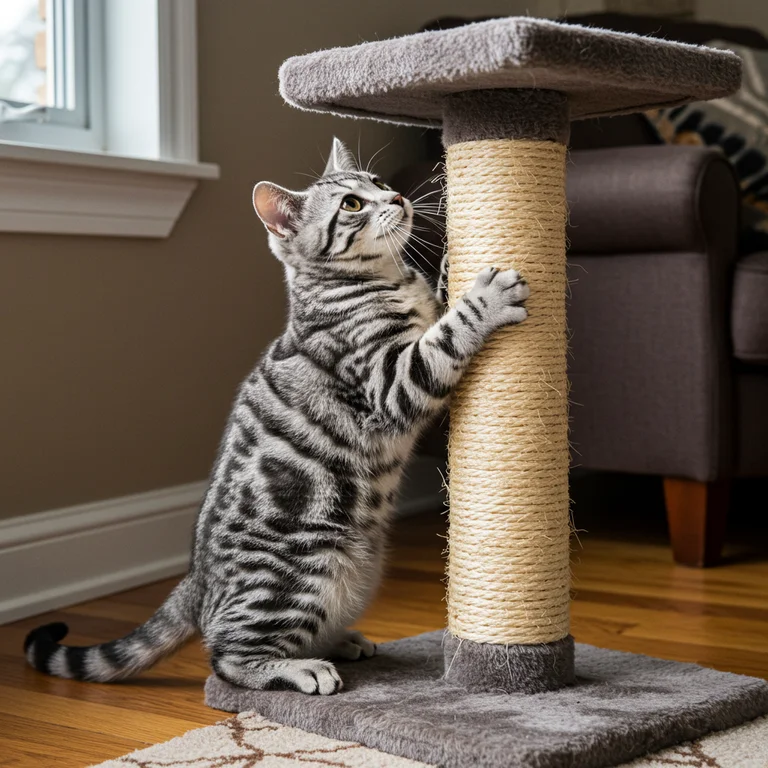
Scratching is a natural and essential behavior for cats. It serves several purposes, including:
- Maintaining Claws: Scratching helps cats remove the dead outer layer of their claws, keeping them sharp and healthy.
- Marking Territory: Cats have scent glands in their paws, and scratching releases these scents, marking the area as their own. Visual marks from scratching also serve as a territorial display.
- Stretching and Exercise: Scratching allows cats to stretch their muscles and tendons, providing a form of exercise.
- Emotional Release: Scratching can also be a way for cats to relieve stress or frustration.
Head Butting (Bunting) : Marking Territory with Affection
Head butting, also known as bunting, is a behavior where cats gently rub their head or face against people, objects, or other animals.
- Scent Marking: Cats have scent glands on their head, cheeks, and chin. Head butting transfers these scents, marking the person or object as part of their territory.
- Affection and Bonding: Head butting is also a sign of affection and bonding. Cats often head butt people they trust and feel comfortable with.
- Social Interaction: Cats may head butt other cats as a form of social greeting and bonding.
Bringing 'Gifts' : A Hunter's Instinct
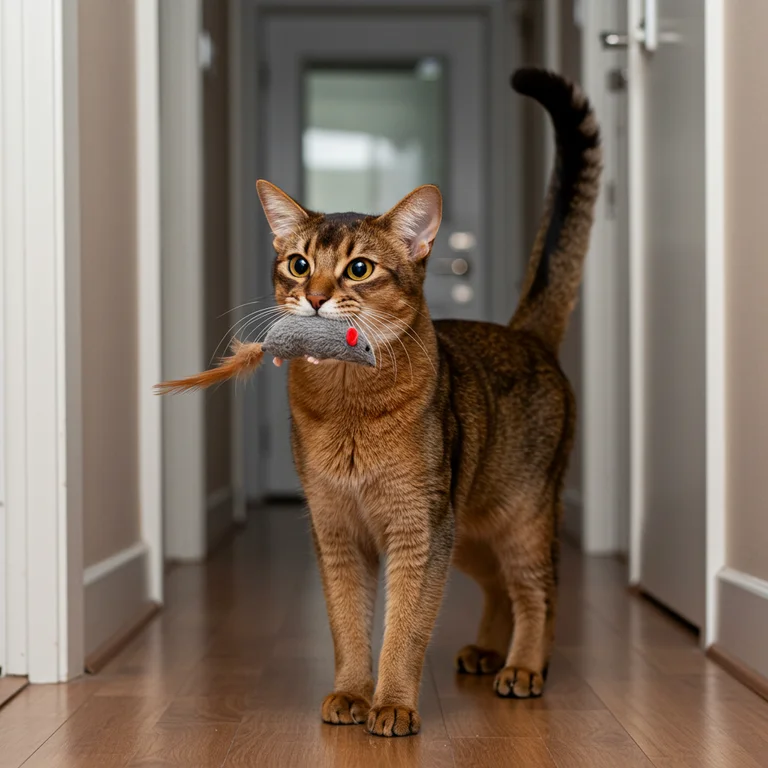
Some cats bring their owners "gifts" such as dead mice, birds, or insects. While this behavior may seem unpleasant to us, it's a natural expression of their hunting instincts.
- Hunting Instinct: Cats are natural hunters, and bringing "gifts" is a way for them to practice their hunting skills.
- Sharing the Spoils: Some experts believe that cats bring "gifts" to their owners as a way of sharing their bounty and showing affection.
- Teaching Behavior: Mother cats may bring prey to their kittens to teach them how to hunt. Adult cats may exhibit this behavior towards their owners as a sign of care.
Hiding: Seeking Security and Comfort
Hiding is a common behavior in cats, and it can serve several purposes.
- Security and Safety: Cats may hide when they feel threatened, stressed, or anxious. Hiding provides them with a sense of security and control.
- Comfort and Relaxation: Cats may also hide when they simply want to relax and be alone.
- Illness or Pain: If your cat suddenly starts hiding more than usual, it could be a sign that they're feeling unwell or in pain. Consult your veterinarian if you notice any changes in your cat's behavior.
Chattering at Birds : The Thrill of the Chase
Many cats exhibit a behavior known as chattering, where they make rapid, high-pitched vocalizations while watching birds or other prey outside the window.
- Hunting Instinct: Chattering is thought to be an expression of frustration and excitement related to their hunting instincts.
- Anticipation: It may also be a way for cats to mentally prepare for the hunt, even though they know they can't reach the prey.
Eating Grass: Soothing an Upset Stomach
Cats sometimes eat grass, even though they're carnivores. This behavior is thought to serve several purposes.
- Inducing Vomiting: Eating grass can help cats vomit up indigestible materials, such as fur balls or bones.
- Fiber Source: Grass may provide a source of fiber, which can aid in digestion.
- Nutrient Deficiency: In some cases, cats may eat grass to compensate for a nutrient deficiency.
The 'Zoomies' : Bursts of Energy
The 'zoomies', also known as frenetic random activity periods (FRAPs), are sudden bursts of energy where cats run around the house at high speed, often engaging in playful behaviors.
- Pent-Up Energy: The zoomies are often a way for cats to release pent-up energy, especially if they've been inactive for a long period.
- Hunting Instinct: They may also be a way for cats to practice their hunting skills, such as chasing and pouncing.
- Excitement: The zoomies can also be triggered by excitement or stimulation.
Tail Twitching : Reading Your Cat's Mood
A cat's tail can provide valuable clues about their mood and intentions.
- Happy and Relaxed: A gently swaying tail usually indicates that a cat is feeling happy and relaxed.
- Excited or Agitated: A rapidly twitching or thumping tail can indicate excitement, agitation, or frustration.
- Fearful or Anxious: A tucked tail is a sign that a cat is feeling fearful or anxious.
- Aggressive: A puffed-up tail with raised fur indicates that a cat is feeling threatened and may be preparing to defend themselves.
Conclusion : Decoding Your Cat's Behavior
Understanding common feline behaviors can help you better understand your cat's needs and emotions. By paying attention to their body language and behavior patterns, you can build a stronger bond with your feline companion and provide them with the environment they need to thrive. Remember that every cat is an individual, and their behaviors may vary depending on their personality, experiences, and environment.
Read our Blog post on
Find a cat companion with our quick, fun quiz!
Match me