Protect Cats from Harmful Toxins
Every cat owner has a fear that their inquisitive cat might have come into contact with one of the many hidden household dangers for cats. Our homes often hide everyday chemicals that can cause serious harm, or can even be fatal, if sniffed, licked, or ingested by our curious pets. This guide aims to reduce those fears by highlighting common harmful toxins and providing solutions and safety measures you can use. Understanding these can help you turn your home into a pet-safe environment, protect cats from harmful toxins, and give you peace of mind.
Protect Cats from Harmful Toxins:

- Cleaning Products
- Pesticides and Insecticides
- Human and Veterinary Medications
- Automotive and Garage Products
- Other Household Chemicals
- What to Do if Poisoning is Suspected
- Further Reference
Below is a list of common household chemicals that are toxic to domestic cats, along with ways to keep your cat safe and avoid exposure:
Cleaning Products
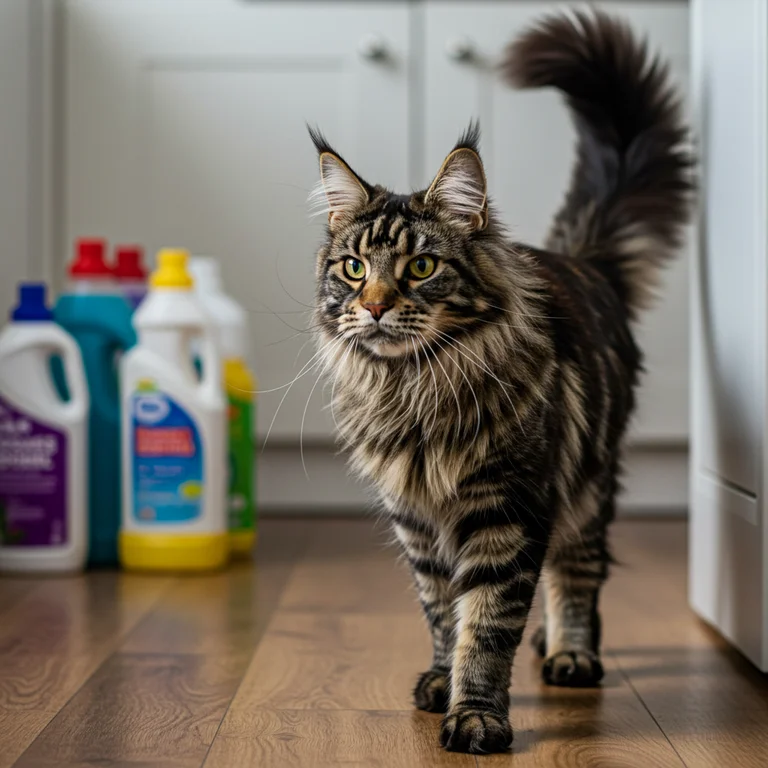
These are some of the most common culprits for accidental poisoning in cats.
- Antifreeze (Ethylene Glycol): from the source of the poison and ensure they are in a safe, well-ventilated area.
- Ammonia: Found in window cleaners and oven cleaners; fumes can irritate the respiratory system. Mixing with bleach creates highly toxic gas.
- Detergents (Laundry and Dish): Including pods and powders. Can lead to drooling, vomiting, severe gastrointestinal upset, and corrosive burns. Fabric softener sheets are also dangerous.
- Toilet Bowl Cleaners & Drain Cleaners: Highly corrosive and can cause severe chemical burns.
- Pine-Scented or Pine-Based Cleaners (and those containing phenols): Cats are particularly sensitive. Can cause liver damage, seizures, and other serious issues.
- Floor Cleaners & Multipurpose Cleaners: Many contain chemicals harmful if licked off paws.
- Oven Cleaners: Highly alkaline, causing severe chemical burns.
Safety Measures for Cleaning Products:
- Essential Oils: Store all cleaning products in high cabinets or cupboards, ideally secured with childproof latches.
- Safe Usage: Keep cats out of the room when using strong cleaners. Ensure surfaces are completely dry and the area is well-ventilated before allowing your cat back in.
- Immediate Cleanup: Wipe up any spills immediately and thoroughly.
- Pet-Safe Alternatives: Consider using cleaning products specifically labelled as pet-safe or opt for non-toxic alternatives like vinegar and water solutions (ensuring they are well diluted and rinsed).
- Toilet Lids: Keep toilet lids closed, especially after cleaning with toilet bowl products.
- Read Labels: Always read and follow product instructions carefully. Avoid products with strong chemical smells if possible.
Pesticides and Insecticides
Designed to kill pests, these are often inherently dangerous to pets.
- Insecticides (sprays, baits, foggers): Products containing pyrethrins or pyrethroids (especially dog-specific flea/tick products) are highly toxic to cats, causing tremors, seizures, and death. Ant baits and roach killers are also dangerous.
- Rodenticides (Rat and Mouse Poisons): Extremely dangerous, leading to internal bleeding, kidney failure, seizures, or death. Cats can also be poisoned by eating a poisoned rodent.
- Herbicides/Weed Killers: Can cause gastrointestinal upset and more severe symptoms.
- Flea and Tick Products (especially those for dogs): Never use a dog flea/tick product on a cat. Products containing permethrin can be fatal to cats.
Safety Measures for Pesticides and Insecticides:
- Essential Oils: Store ALL medications (human and pet) in high, closed cabinets, well out of reach. Consider a locked medication box.
- Strictly Prevent Access: If you must use them, ensure cats have absolutely no access to treated areas, baits, or granules.
- Secure Storage: Store these products in their original, tightly sealed containers in locked cabinets or sheds, far away from pet access.
- Be Mindful of Outdoor Treatments: If your cat goes outdoors, be aware of what your neighbours might be using in their gardens.
- Flea/Tick Prevention: Only use flea and tick products specifically formulated and prescribed by your vet for your cat's species and weight. Keep treated dogs separate from cats until the product is completely dry to prevent accidental transfer.
Human and Veterinary Medications
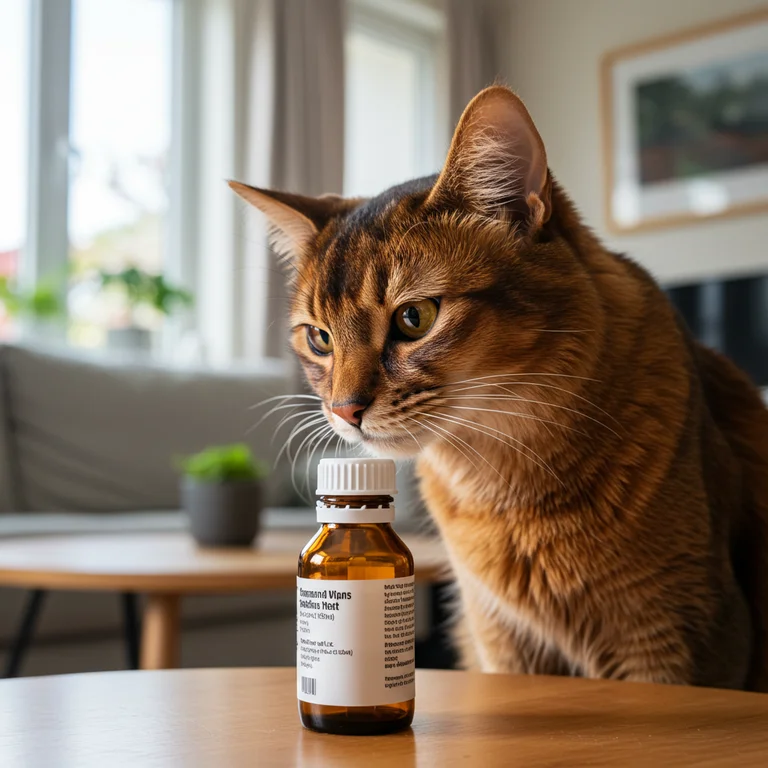
Many human medications, and even pet medications if misused, are a major risk.
- Acetaminophen (Paracetamol, Tylenol): Exceptionally toxic to cats, damaging red blood cells and causing liver failure. Even a tiny amount can be fatal.
- Antidepressants: Can cause neurological problems; some cats are strangely attracted to them.
- ADD/ADHD Medications (Amphetamines): Stimulants causing tremors, seizures, and dangerously high body temperature.
- Cold and Flu Medications: Often contain acetaminophen, NSAIDs, or decongestants.
- Prescription Medications: A vast range of human prescription drugs are hazardous to cats.
- Veterinary Medications (if misused): Overdoses or administering medication prescribed for another pet can be toxic.
Safety Measures for Medications:
- Store ALL medications (human and pet) in high, closed cabinets, well out of reach. Consider a locked medication box.
- No Pills Left Out: Never leave pills on countertops, bedside tables, or in plastic bags or purses that cats can access.
- Immediate Spill Response: If you drop a pill, find it and dispose of it immediately and safely. Cats are quick to bat at and ingest small items.
- Never Self-Medicate: Never give your cat any human medication (or another pet's medication) unless specifically directed by your veterinarian. Dosages for humans are often vastly different and dangerous for cats.
- Clear Labelling: Keep pet medications separate from human ones and ensure they are clearly labelled. Always follow veterinary dosage instructions precisely.
Automotive and Garage Products
These potent chemicals require careful handling and storage.
- Windshield Wiper Fluid: Often contains methanol or ethylene glycol.
- Gasoline, Kerosene, Diesel Fuel: Can cause skin irritation, aspiration pneumonia, and systemic toxicity.
- Paint Thinners, Solvents (e.g., turpentine, white spirit): Can cause skin irritation, chemical burns, and severe illness.
- Paints and Lacquers: Lead-based paints in older homes are a hazard. Solvents in wet paint are also an issue.
Safety Measures for Automotive and Garage Products:
- Essential Oils: Store these products in their original, tightly sealed containers, ideally in locked cabinets or on high shelves well out of reach.
- Immediate Spill Cleanup: Clean up any spills of antifreeze, oil, etc., immediately and thoroughly. Dispose of contaminated rags or absorbents safely.
- Check for Leaks: Regularly check your vehicle for any fluid leaks.
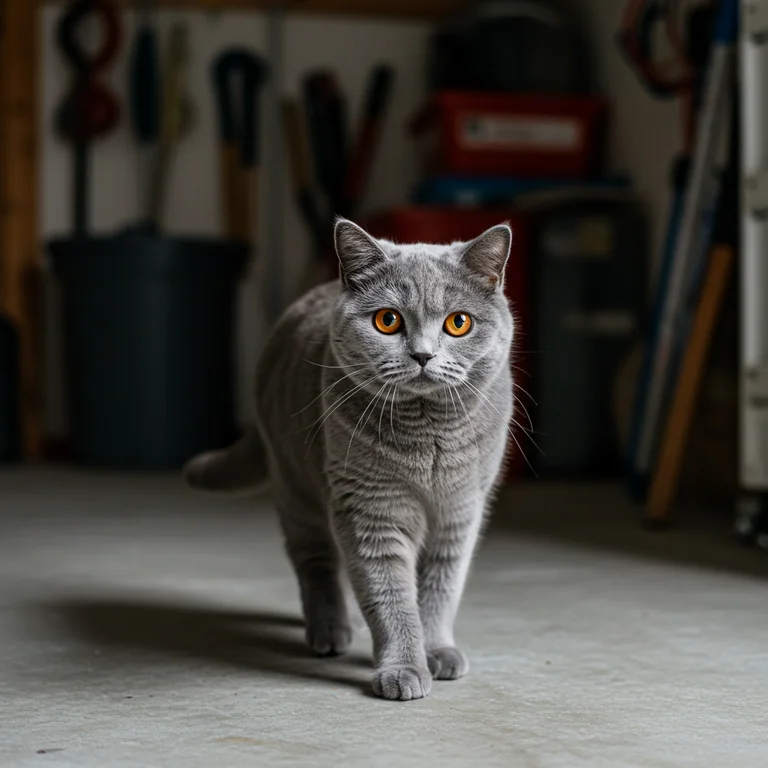
- Garage Access: Limit or prevent your cat's access to garages, driveways, and workshops where these chemicals are stored or used.
- Consider Safer Antifreeze: If possible, use antifreeze products containing propylene glycol instead of ethylene glycol, as it is less toxic (though still not entirely safe and should be kept away from pets).
Other Household Chemicals
A miscellaneous group of everyday items that can pose a threat.
- Essential Oils: Many (e.g., tea tree, peppermint, citrus, eucalyptus, cinnamon, pine, pennyroyal, ylang-ylang, wintergreen, clove) are highly toxic, whether ingested, absorbed through skin, or inhaled from diffusers. Cats lack enzymes to metabolize them effectively.
- Liquid Potpourri: Can contain essential oils and detergents, causing burns and systemic toxicity.
- Batteries: If chewed or punctured, corrosive contents can cause severe burns. Button batteries are easily swallowed.
- Heavy Metals: Lead (old paint, some toys), zinc (pennies minted after 1982), mercury.
- Adhesives and Glues: Some can expand in the stomach (e.g., polyurethane glues) or be irritants.
- Mothballs: Contain naphthalene or paradichlorobenzene, both toxic.
- Fertilizers: Some contain herbicides, pesticides, or large amounts of minerals toxic if ingested.
- De-icing Salts: Can irritate paws; ingestion leads to gastrointestinal upset and electrolyte imbalances.
- Alcoholic Beverages and Food Products Containing Alcohol: Can cause severe systemic effects.
- Xylitol: Artificial sweetener found in many sugar-free products. While less documented in cats than dogs, large ingestions are a concern.
Safety Measures for Other Household Chemicals:
- Essential Oils: Avoid using essential oil diffusers, room sprays, or applying them topically in homes with cats unless specifically advised as safe (and how to use very dilutedly) by a veterinarian. Keep all concentrated oils securely stored.
- Liquid Potpourri: Avoid using it or ensure it's completely inaccessible.
- Batteries: Store spare batteries out of reach. Ensure battery compartments on remotes, toys, etc., are secure. Dispose of old batteries promptly and correctly.
- Adhesives/Glues: Store securely and supervise use. Clean up spills immediately.
- Mothballs: Do not use them. Opt for safer alternatives like cedar blocks or lavender sachets, ensuring the cat cannot ingest these either.
- Fertilizers: Store securely. Keep cats off lawns recently treated with fertilizers until it's deemed safe according to product instructions, or use pet-safe lawn treatments.
- De-icing Salts: Wipe your cat’s paws with a damp cloth after they have been outside during winter. Use pet-safe de-icers on your own property.
- Food and Drink: Keep alcoholic beverages, and any foods or products containing xylitol, well out of your cat’s reach. Always check labels.
What to do if you suspect your cat has ingested a toxic chemical
- Immediately remove your cat from the source of the poison and ensure they are in a safe, well-ventilated area.
- Do not induce vomiting unless specifically directed to do so by a veterinarian or poison control expert. Some chemicals can cause more damage if vomited.
- If the chemical is on their fur or skin, try to prevent them from licking it. You may need to gently wash the area with mild soap and copious amounts of water if advised by a professional, but always check first.
- Collect a sample of the chemical, its packaging, or a label if possible. This will be crucial for the veterinarian to determine the appropriate treatment.
- Contact your veterinarian or an animal poison control center immediately. Time is critical. In the UK, you can call the Animal PoisonLine (this is a service that may have a charge). Your vet will also have access to poison information services.
Further Reference
For comprehensive information on toxins affecting pets, consult these resources:
- ASPCA Animal Poison Control Center:
- Pet Poison Helpline:
- International Cat Care:
- Blue Cross for Pets (UK):
Always store household chemicals securely out of reach of pets, preferably in locked cabinets. Read labels carefully and use pet-safe alternatives whenever possible. Vigilance is key to protecting your feline friend.
Read our Blog post on
Find a cat companion with our quick, fun quiz!
Match me