Bengal Cat Breed
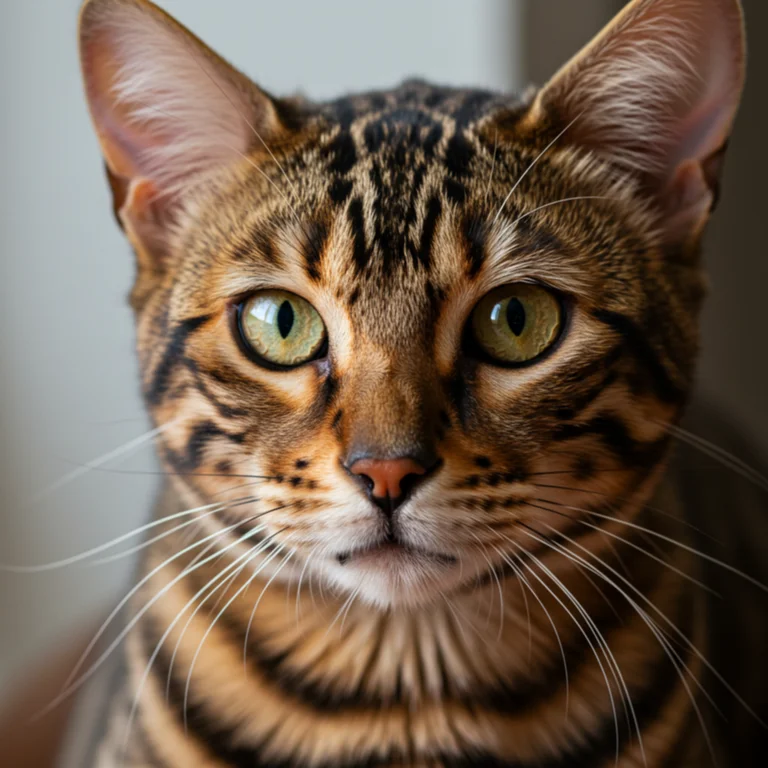
The Wild Beauty in Your Home
Personality
Bengal cats are known for their high energy and playful nature. They inherit their wild ancestor's intelligence and curiosity, making them extremely active and engaging pets. These cats are often described as dog-like in their loyalty and can even be trained to play fetch or walk on a leash.
Good Match for…
- Active homes that can provide lots of daily playtime
- Owners who appreciate a curious, athletic cat
- People experienced with high-energy cat breeds
Profile
Bengal
Profile for this Cat Breed
- Size
- Medium to large, 9-11 inches (23-28 cm)
- Appearance
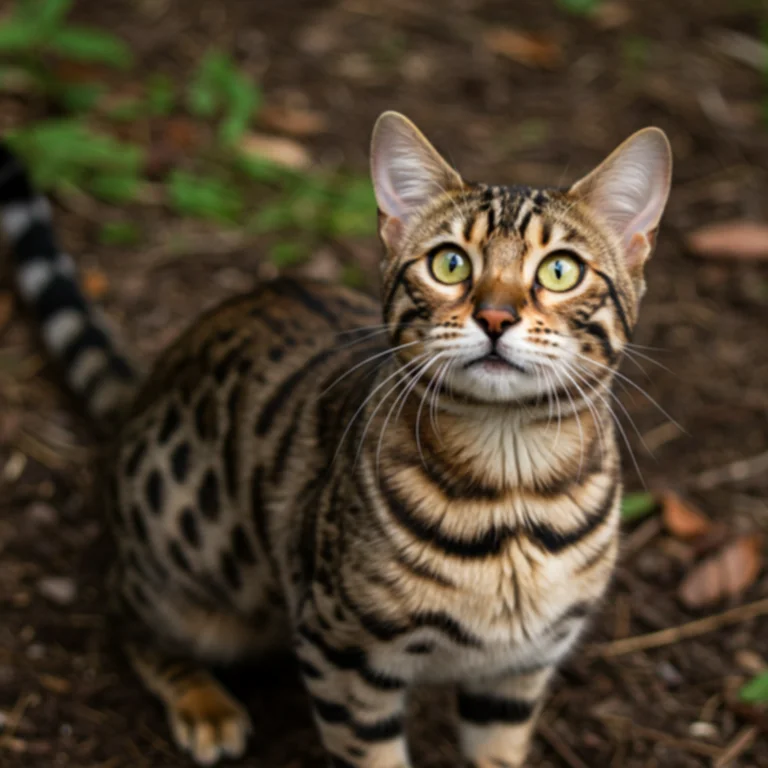
- Sleek, muscular body with a short coat and distinctive spotted or marbled patterns
- Lifespan
- 12-16 years
- Weight
- 4-7 kg/9-15 lbs
- Color
- Brown, silver, snow (white), charcoal, blue
- Grooming
- Low maintenance
Origin
Bengal cats were developed through the crossing of domestic cats with the Asian leopard cat (Prionailurus bengalensis). The breed was first developed in the 1960s by Jean Mill, who aimed to create a domestic cat with the striking appearance of wild cats but with the temperament suitable for a family pet.

Characteristics
.webp "Bengal cat breed")
- Distinctive spotted or marbled coat patterns
- Athletic and muscular build
- Large, expressive eyes
- Soft, luxurious coat
- Medium to large size (9-15 pounds)
- Strong, agile body structure
Lifespan
Your energetic Bengal cat typically has a lifespan of 12 to 16 years. While known for being quite robust, reaching the upper end of this range depends on great care. Regular vet check-ups, a high-quality diet suited to their energy levels, plenty of playtime, and a safe environment are key to keeping your Bengal healthy and thriving through the years.
Living Environment
Bengal cats thrive in spacious environments where they can climb, play, and explore. They need interactive toys and vertical spaces to satisfy their natural hunting instincts and athletic abilities. Bengals also seem to have an extreme fascination and love for water.
Enriched environment
- Install climbing shelves or cat trees
- Use interactive chasing toys daily
- Create water play opportunities
Allergy Factors
Hypoallergenic = Lower Fel d 1 levels; reduced allergic reactions

Good or Allergy Sufferers (Lower Allergen Potential)
The Bengal's minimal shedding produces lower Fel d 1, which makes them most suited to allergy sufferers. They possess a short, single-layer coat that releases less fur into the environment, which means less Fel d 1 being released into the home. Their low-maintenance fur requires only simple weekly combing to remove dead hair, which further reduces allergen spread.
Social Habits

With Family
Bengals form strong bonds with their family members and are known to be very affectionate. They often choose a favorite person but can be loving towards all family members.

With other Pets
They generally get along well with other pets when properly socialized. Their high energy levels make them great playmates for other active cats or cat-friendly dogs.