British Shorthair Cat Breed
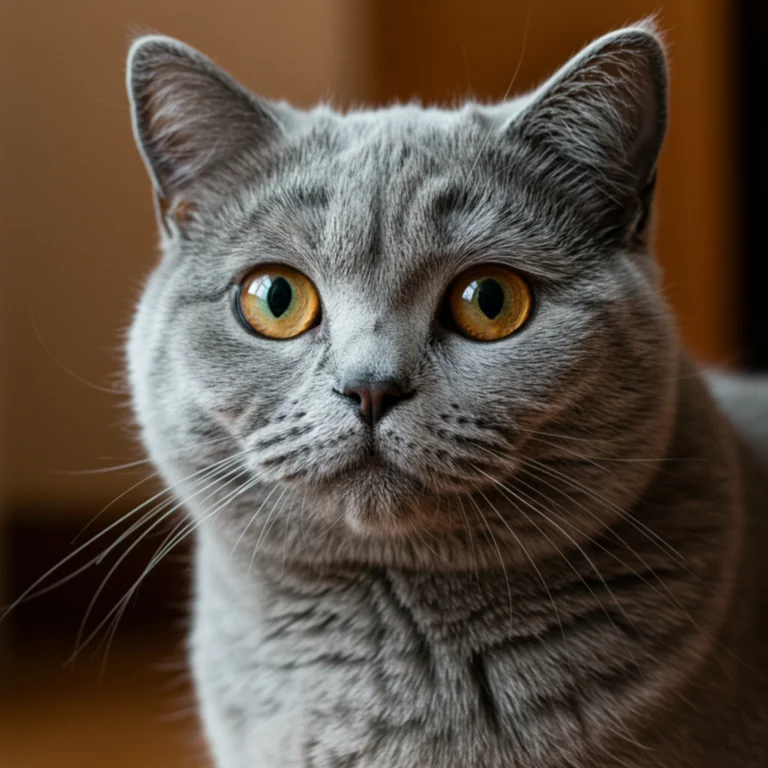
The Plush and Easygoing Feline Companion
Personality
British Shorthair cats are known for their calm, affectionate, and dignified nature. They are independent yet loyal, often forming strong bonds with their families without being overly demanding. While they enjoy playtime, they are not as energetic as some breeds and prefer lounging in cozy spots. Their quiet and gentle demeanor makes them excellent companions for a relaxed household.
Good Match for…
- Quiet households that enjoy calm companionship
- People who want a low-maintenance, chill cat
- Owners who like affectionate but independent pets
Profile
British Shorthair
Profile for this Cat Breed
- Size
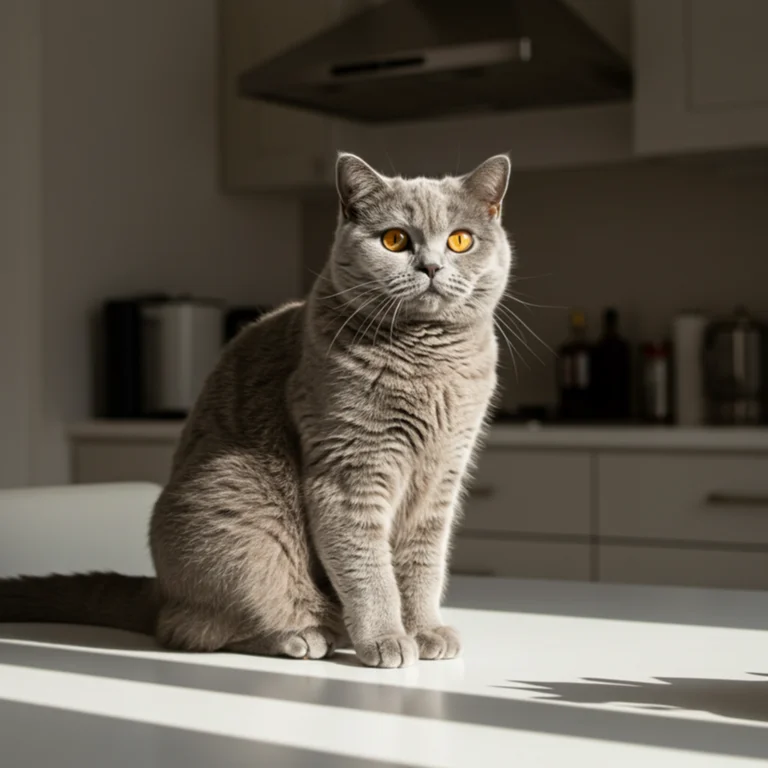
- Medium to large, 9-11 inches (23-28 cm)
- Appearance
- Round face, stocky body, plush coat
- Lifespan
- 14-20 years
- Weight
- 4-8 kg/9-18 lbs
- Color
- Blue, black, white, cream, chocolate, lilac
- Grooming
- Low maintenance
Origin
The British Shorthair is one of the oldest cat breeds, tracing its origins back to ancient Rome, where they were prized for their hunting abilities. Over time, they became beloved household pets in Britain. The breed gained popularity for its sturdy build and plush coat, eventually becoming one of the most well-known pedigree cats worldwide.

Characteristics
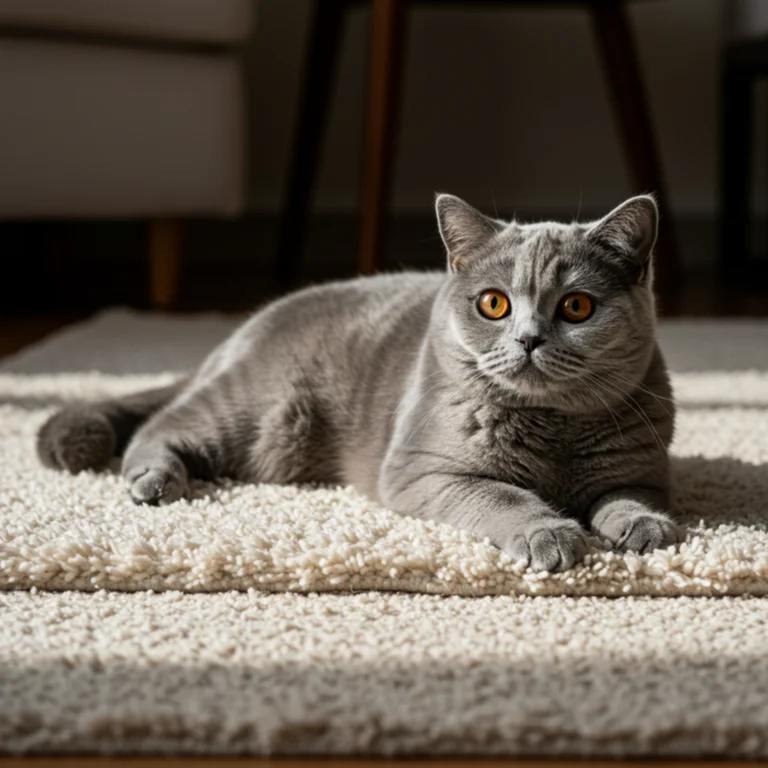
- Round face with full cheeks and large, expressive eyes
- Dense, plush coat that comes in various colors (like blue-gray)
- Sturdy, medium-to-large body with a muscular build
- Thick, strong legs and rounded paws
- Weight typically ranges from 9-18 pounds
- Calm and reserved personality, with a soft, quiet voice
Lifespan
British Shorthairs are known for being around a long time, often living 12 to an impressive 20 years! These sturdy cats have good potential for a long life. Helping them reach their golden years involves regular vet check-ups, a balanced diet (watch those portions!), enough exercise to keep them trim, and a safe, cozy environment at home.
Living Environment
British Shorthairs are adaptable and do well in both apartments and larger homes. They are not highly active climbers but enjoy comfortable spaces where they can observe their surroundings. They prefer a structured routine and appreciate cozy beds, scratching posts, and occasional play sessions.
Enriched environment
- Provide stable perches for bird watching
- Use treat-dispensing toys occasionally
- Offer quiet, undisturbed hiding spots
Allergy Factors
Hypoallergenic = Lower Fel d 1 levels; reduced allergic reactions

Not Recommended for Allergy Sufferers (Higher Allergen Potential)
British Shorthair cats are not hypoallergenic and produce Fel d 1 like most breeds. Their dense coat and moderate shedding release dander (pet dandruff) easily into the air, often triggering allergies. They are friendly, independent, and easy to care for. Weekly brushing (preferably outdoors with a mask) and monthly baths help manage allergens, along with a quality diet.
Social Habits

With Family
British Shorthairs are affectionate but not overly clingy. They enjoy being near their owners but do not demand constant attention. They are great companions for individuals, families, and even seniors who appreciate a relaxed, low-maintenance pet.

With other Pets
British Shorthairs generally get along well with other pets but prefer a peaceful environment. They are tolerant of other animals but may take time to warm up to them. They are well-suited for multi-pet households as long as they are given their space.