Burmese Cat Breed
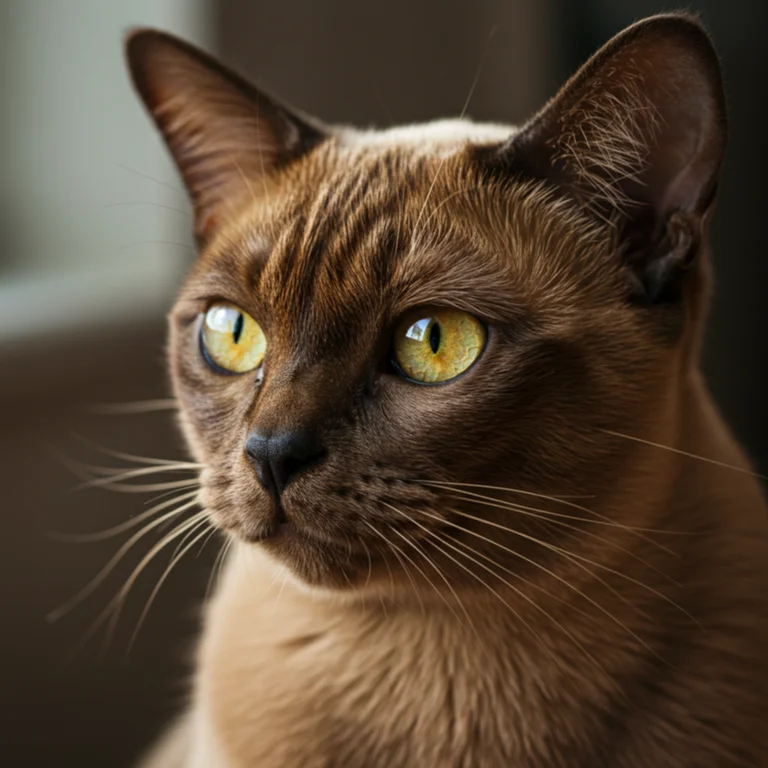
The Social Butterfly with Endless Affection
Personality
Burmese cats are playful, affectionate, and highly people-oriented. They crave human attention and love being involved in daily activities, often following their owners around the house. Unlike independent breeds, they seek constant companionship and are happiest when surrounded by their family. Their friendly and outgoing nature makes them excellent pets for those who want an interactive and loving feline friend.
Good Match for…
- Families who want a playful and loving companion
- Homes where the cat won’t be left alone too long
- Owners who enjoy active and cuddly cats
Profile
Burmese
Profile for this Cat Breed
- Size
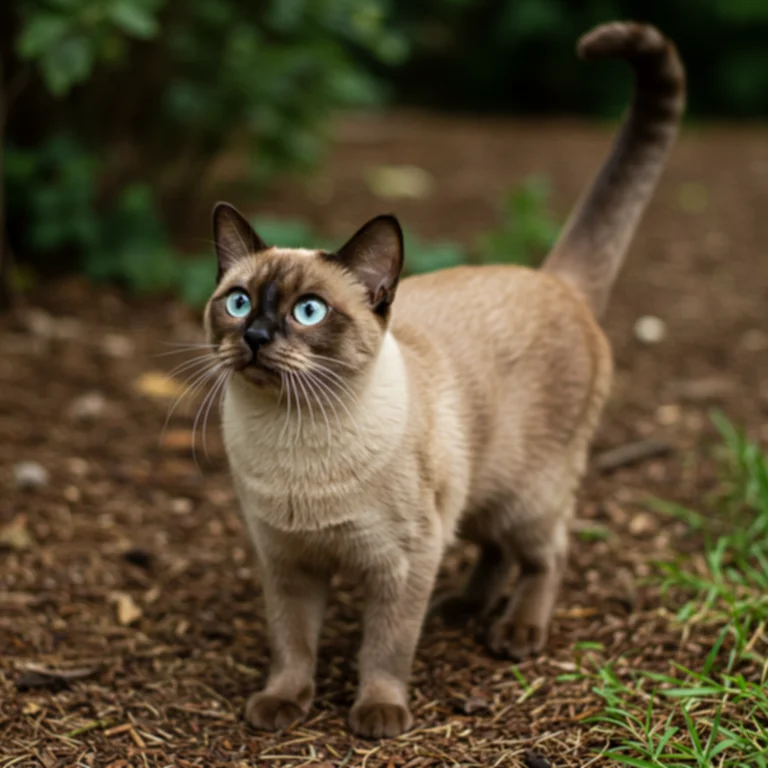
- Medium, 8-10 inches (20-25 cm)
- Appearance
- Sleek, short coat with a muscular build
- Lifespan
- 12-16 years
- Weight
- 3-6 kg/7-13 lbs
- Color
- Sable, blue, champagne, platinum
- Grooming
- Minimal
Origin
This breed traces its roots to Burma (modern-day Myanmar) and was developed in the 1930s when a small brown cat named Wong Mau was brought to the United States and selectively bred. Over time, this cat’s unique characteristics led to the development of the modern Burmese, known for its silky coat, round features, and affectionate personality.

Characteristics
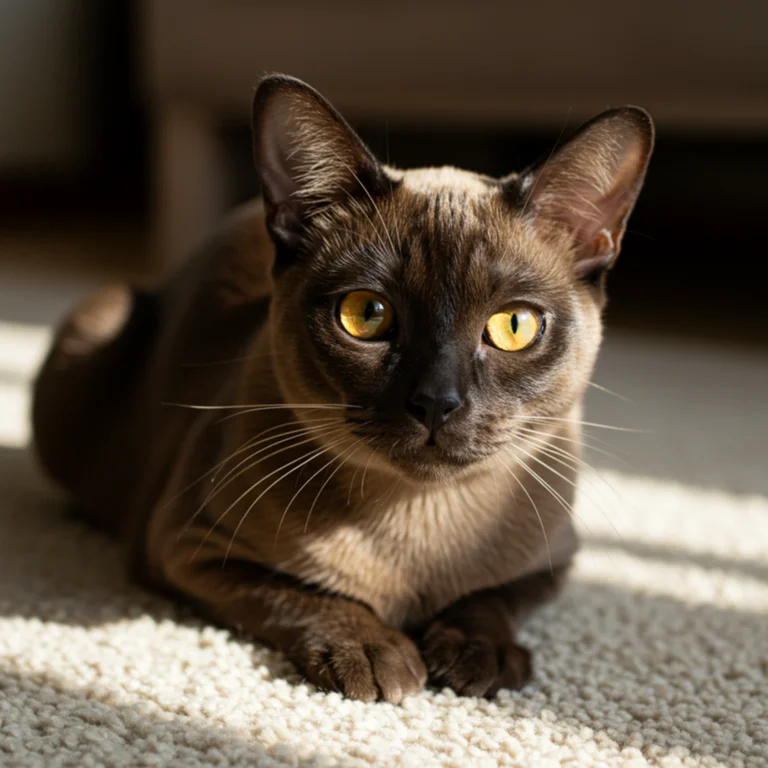
- Short, sleek coat with a satin-like texture
- Compact, muscular body that is heavier than it looks
- Large, round eyes that come in shades of gold or yellow
- Rounded head and expressive face, giving a sweet and inquisitive look
- Weight typically ranges from 7-13 pounds, with females being smaller
- Loud, expressive voice, often compared to the Siamese but softer
Lifespan
This charming Burmese companion often lives between 12 and 16 years, with some reaching 18 or even 20 thanks to excellent care! These generally healthy cats thrive with regular vet visits, a carefully balanced diet, plenty of interactive play to keep them active, and a safe home environment. Providing consistent, quality care helps ensure a long and happy life for your Burmese.
Living Environment
Burmese cats thrive in interactive and social environments where they receive plenty of attention. They do well in homes with people who are frequently around, as they dislike being left alone for long periods. Providing cat trees, interactive toys, and cozy sleeping spots helps keep them entertained and happy.
Enriched environment
- Play daily with feather wands
- Install window seats for sunbathing
- Offer social interaction and attention
Allergy Factors
Hypoallergenic = Lower Fel d 1 levels; reduced allergic reactions

Not Recommended for Allergy Sufferers (Higher Allergen Potential)
Burmese cats are not hypoallergenic. While some sources suggest they may produce less Fel d 1, they still shed and can trigger allergies. Known for their affectionate, lively nature and sleek look, Burmese cats thrive on human companionship. Their short coat needs little grooming, but regular brushing and bathing every 4–6 weeks can help reduce allergen spread.
Social Habits

With Family
These cats form deep bonds with their humans and often act more like dogs in their loyalty and affection. They love sitting in laps, cuddling, and even playing fetch. Their social nature makes them ideal for families, singles, and seniors looking for a devoted feline companion.

With other Pets
This breed is highly social and gets along well with other pets, including cats and friendly dogs. They enjoy having a playmate and do best in multi-pet households where they have company when their owners are away. Their adaptable and friendly nature makes them one of the easiest breeds to introduce to other animals.