Domestic Shorthair Cat Breed
The Classic Companion with Endless Variety
Personality
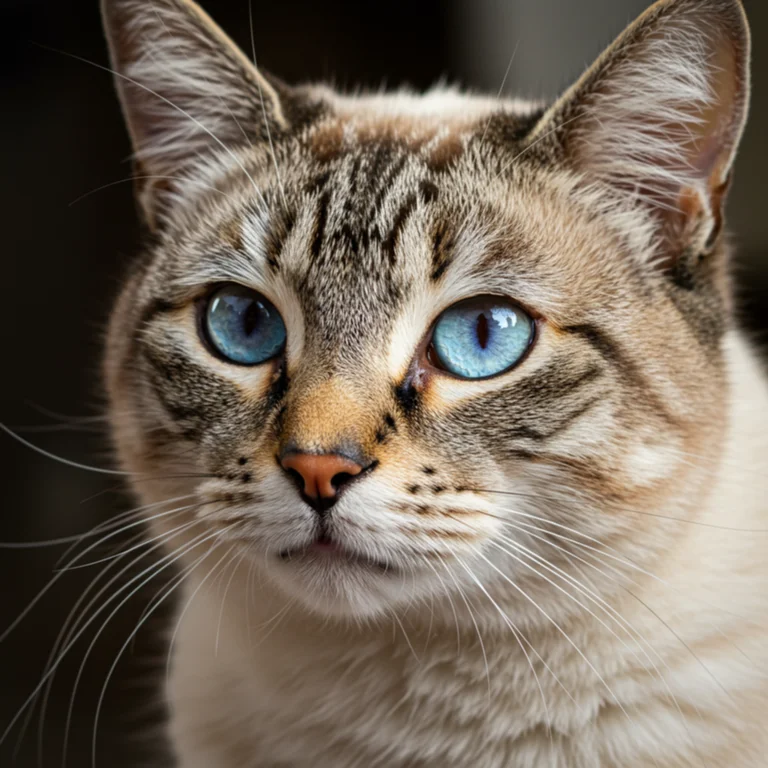
Domestic Shorthair cats are known for their diverse personalities, as they are not a specific breed but rather a category of mixed-breed cats with short coats. They can range from highly energetic and playful to calm and laid-back, depending on their individual genetics and upbringing. Generally, they are intelligent, adaptable, and affectionate, making them excellent companions for a wide variety of households.
Good Match for…
- All kinds of households looking for variety
- Owners open to a wide range of personalities
- People wanting a generally low-maintenance pet
Profile
Domestic Shorthair
Profile for this Cat Breed
- Size
- Medium, 8-10 inches (20-25 cm)
- Appearance
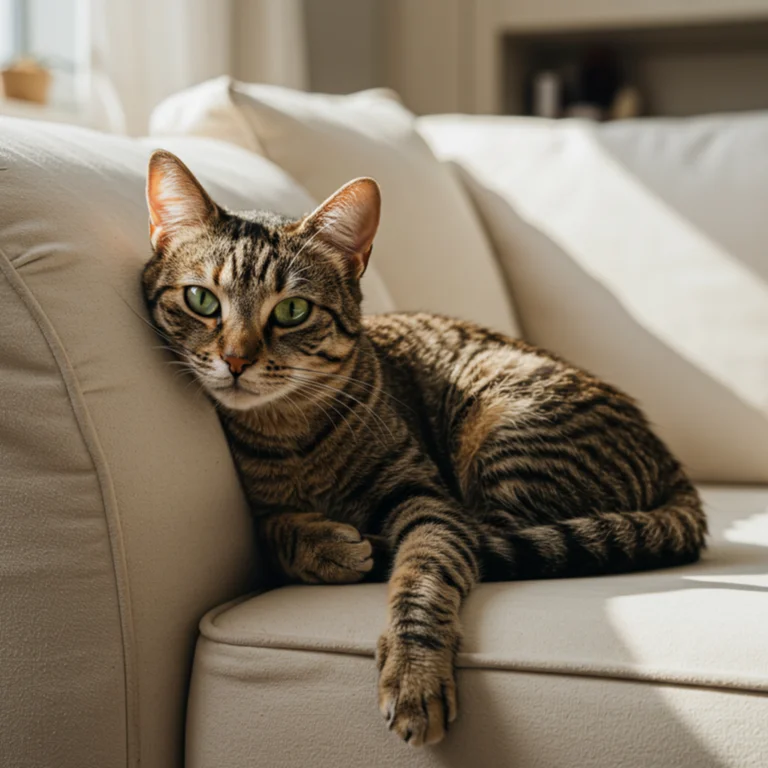
- Varies widely, but typically a well-proportioned, muscular body with a short, dense coat
- Lifespan
- 12-20 years
- Weight
- 3-6 kg/6-14 lbs
- Color
- Wide variety including tabby, solid, bi-colour, and calico
- Grooming
- Low maintenance
Origin
The Domestic Shorthair has no single point of origin and isn't technically a specific breed, as it is a naturally occurring mix of various cat breeds. These cats have been around for thousands of years, often serving as companions and pest controllers in homes, barns, and ships. Today, they are among the most common and beloved household pets worldwide, known for their hardy nature and genetic diversity. Many people might refer to them as simply "house cats" or "moggies" in some regions.

Characteristics
- Comes in a wide range of coat colors and patterns
- Medium-sized body with a muscular, well-balanced build
- Short, low-maintenance fur coating
- Eye color varies widely, from green and gold to blue
- Weight typically ranges from 6-14 pounds
- Strong immune system and overall hardy health
Lifespan
The wonderful Domestic Shorthair can be a long-term friend, typically reaching 12 to 20 years, sometimes even more! Their mixed background often means good health, but regular vet visits are still key. Providing a balanced diet, keeping them active, ensuring a safe home, and routine check-ups helps these adaptable cats enjoy many happy years.
Living Environment
One of the most adaptable cat types, Domestic Shorthairs can thrive in any environment, from small apartments to large homes. They appreciate cozy spaces, scratching posts, and interactive toys to keep them mentally and physically stimulated. Whether indoors or with safe outdoor access, they enjoy exploring their surroundings.
Enriched environment
- Vary toys for different play styles
- Place scratching pads in main rooms
- Offer both quiet and active zones
Allergy Factors
Hypoallergenic = Lower Fel d 1 levels; reduced allergic reactions

Not Recommended for Allergy Sufferers (Higher Allergen Potential)
Domestic Shorthair cats are not hypoallergenic and can trigger allergies due to their production of Fel d 1. Their shedding and grooming spread dander (pet dandruff) and saliva around the home. Domestic Shorthairs are common, diverse in appearance, and known for their friendly, adaptable nature. Regular grooming, monthly baths, and cleaning can help manage allergen levels.
Social Habits

With Family
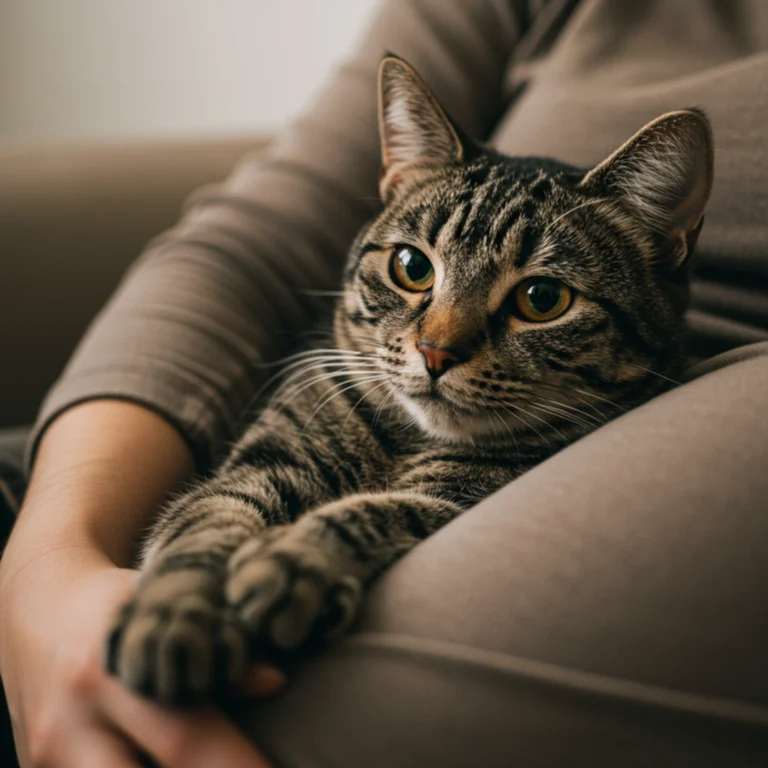
These cats form strong bonds with their human families and often enjoy spending time with their owners. Some may be lap cats, while others prefer to stay nearby without being overly clingy. Their personalities can range from independent to highly affectionate.

With other Pets
Domestic Shorthairs generally get along well with other cats and cat-friendly dogs, especially if introduced properly. Their adaptability makes them well-suited for multi-pet households, though their tolerance for other animals varies by individual.