Norwegian Forest Cat Breed
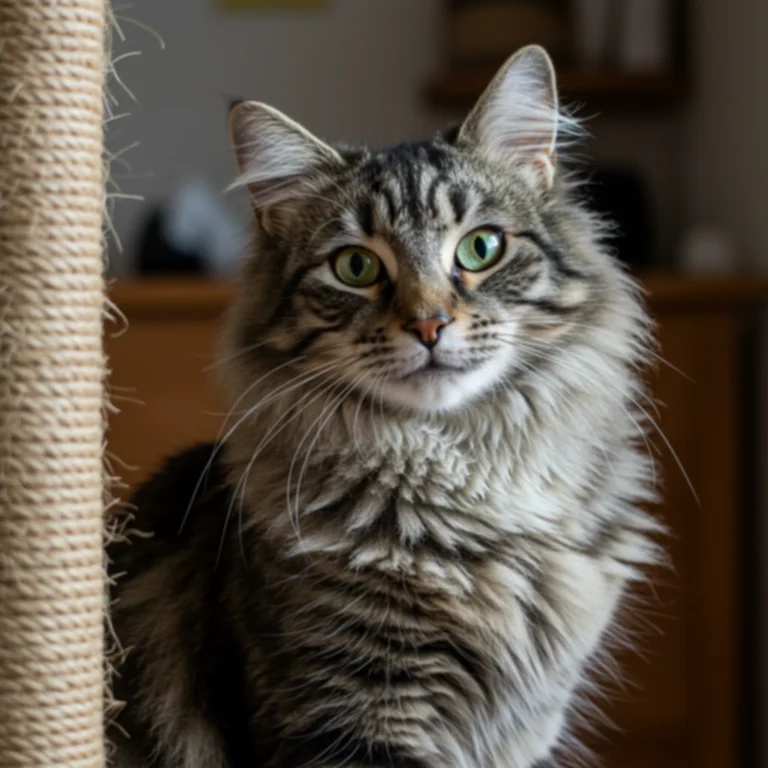
The Majestic and Independent Adventurer
Personality
These cats are affectionate yet independent, with a playful and adventurous spirit. They enjoy exploring their surroundings, climbing to high perches, and engaging in interactive play. While they form strong bonds with their owners, they are not overly demanding and are content entertaining themselves. Their gentle and friendly nature makes them excellent companions for families and individuals alike.
Good Match for…
- Owners seeking a hardy, independent companion
- Homes with room for climbing and exploring
- People who can manage seasonal grooming needs
Profile
Norwegian Forest Cat
Profile for this Cat Breed
- Size
- Large, 9-12 inches (23-30 cm)
- Appearance
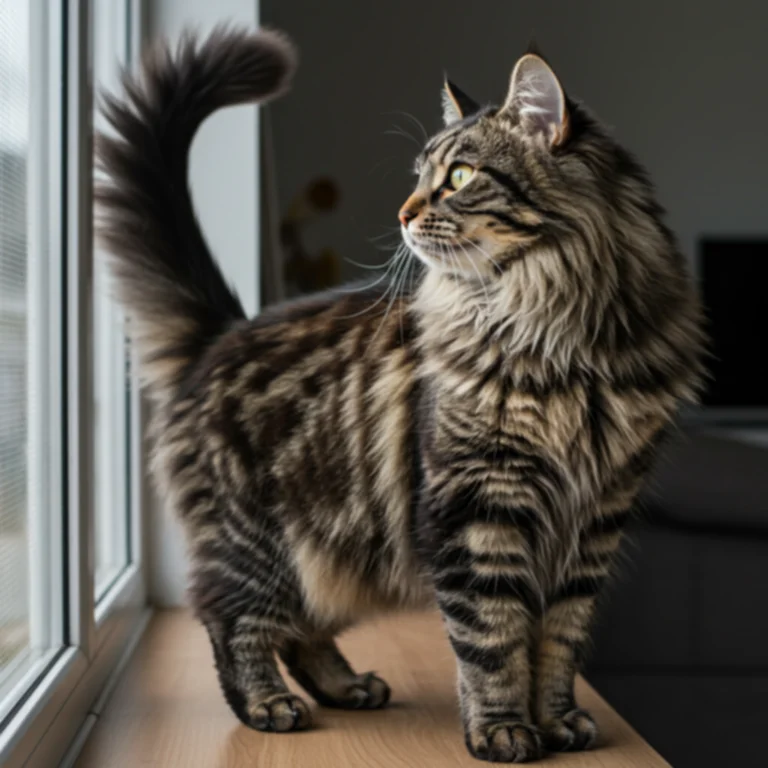
- Thick, long double coat with a sturdy build
- Lifespan
- 12-16 years
- Weight
- 4-9 kg/9-20 lbs
- Color
- Wide variety
- Grooming
- Moderate to high
Origin
This breed originates from Norway, where it has existed for centuries, adapting to the harsh Scandinavian climate. Known as "Skogkatt" in their homeland, these cats were favored by Viking explorers for their excellent hunting skills. Officially recognized in the 1970s, they have since become popular worldwide for their striking appearance and hardy nature.

Characteristics
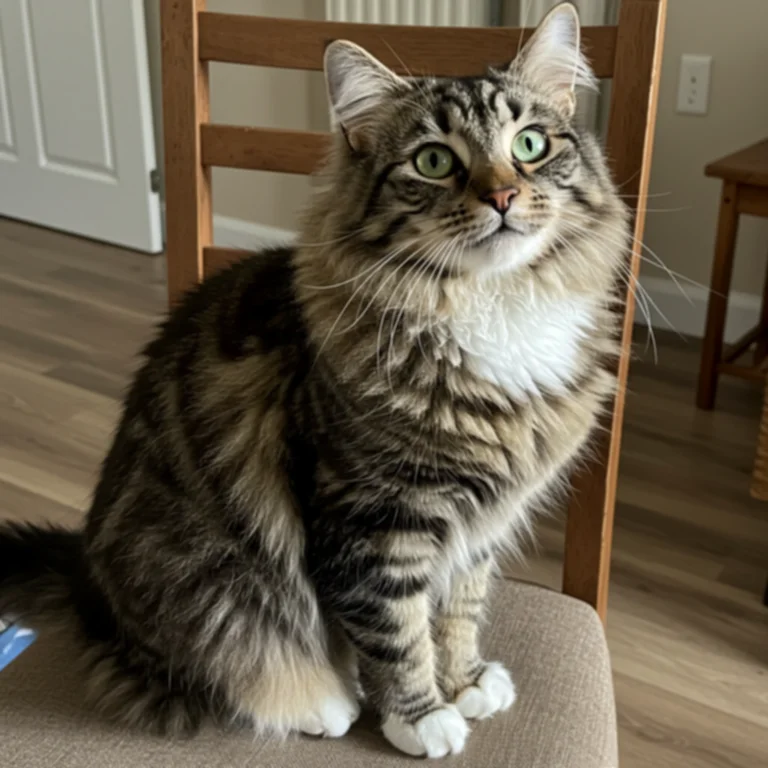
- Thick, water-resistant double coat provides insulation in cold weather
- Large, muscular body built for strength and agility
- Tufted ears and bushy tail for added protection against the elements
- Almond-shaped eyes that range in color from green to gold, sometimes blue
- Weight typically ranges from 9-20 pounds, with males being larger
- Strong climbing instincts, often seeking high vantage points in the home
Lifespan
The stunning Norwegian Forest Cat, or "Wegie," often lives a good 12 to 16 years, maybe even reaching 18+ with excellent care! These hardy cats from chilly climates appreciate regular vet check-ups, a protein-rich diet to fuel their adventures, plenty of climbing space, and a safe environment. Consistent care helps these natural beauties thrive for many years.
Living Environment
A home with ample climbing spaces, sturdy cat trees, and window perches is ideal for this breed. While they adapt well to indoor life, they appreciate access to secure outdoor enclosures where they can explore safely. Their thick coat requires regular brushing to prevent tangles, especially during seasonal shedding.
Enriched environment
- Add tall trees for climbing and resting
- Offer regular grooming sessions
- Provide access to cool, shaded spots
Allergy Factors
Hypoallergenic = Lower Fel d 1 levels; reduced allergic reactions

Not Recommended for Allergy Sufferers (Higher Allergen Potential)
Norwegian Forest cats are not hypoallergenic. Their thick double coat traps dander (pet dandruff) and saliva, increasing allergen spread. As large cats, they may produce more Fel d 1 than smaller breeds. They shed year-round, especially in spring during heavy molting. These cats are friendly, curious, and even-tempered - great for families. They prefer being nearby over sitting in laps. Weekly brushing prevents mats, and monthly baths help reduce allergens.
Social Habits

With Family
These cats are loyal and affectionate, often developing a close bond with their owners. However, they maintain an independent streak and may not always seek constant attention. They enjoy interactive play and will often engage in games of chase or climbing challenges.

With other Pets
Norwegian Forest Cats generally get along well with other cats and cat-friendly dogs, especially when introduced properly. Their gentle and confident nature allows them to integrate into multi-pet households without being overly territorial.