Persian Cat Breed
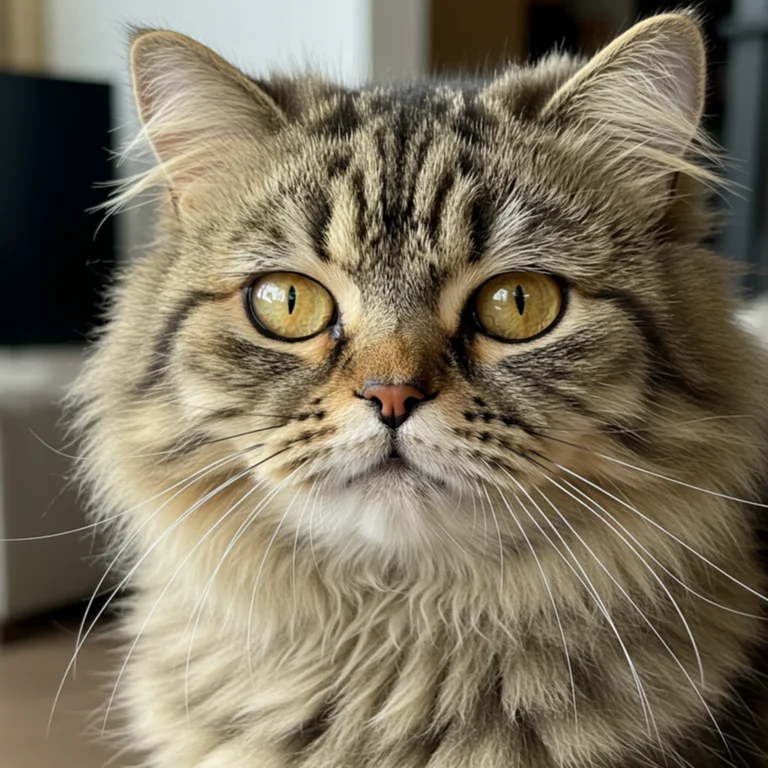
The Regal Beauty with a Gentle Heart
Personality
Persian cats are known for their calm, affectionate, and dignified nature. They enjoy a relaxed lifestyle and prefer lounging in cozy spots over high-energy play. Persians form strong bonds with their owners and appreciate gentle affection but are not overly demanding. They are quiet, sweet-tempered companions who thrive in peaceful environments.
Good Match for…
- Calm homes that enjoy a relaxed lifestyle
- Owners committed to regular grooming needs
- People looking for quiet, affectionate cats
Profile
Persian
Profile for this Cat Breed
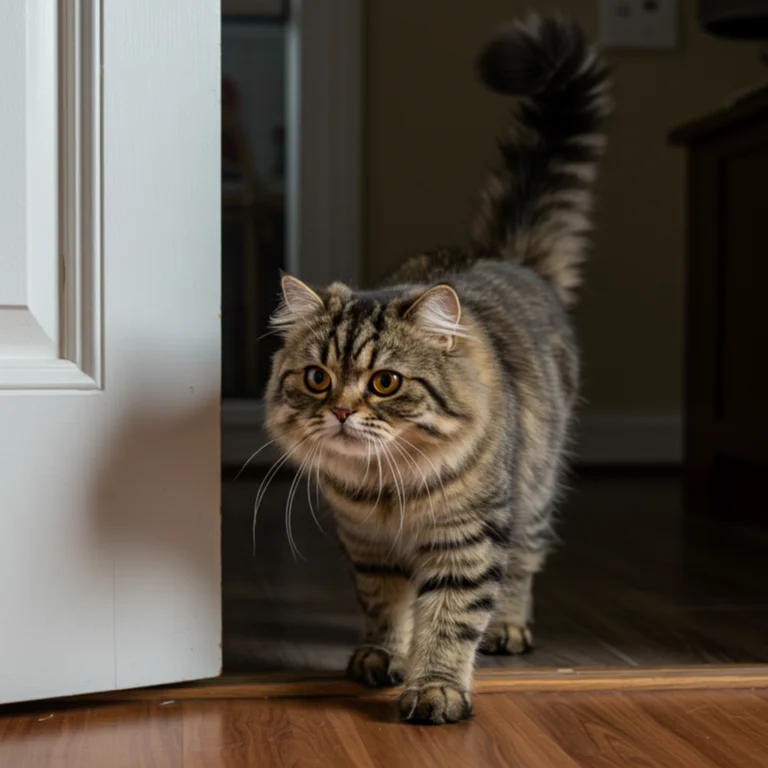
- Size
- Medium, 9-11 inches (23-28 cm)
- Appearance
- Long, thick fur with a flat face
- Lifespan
- 12-17 years
- Weight
- 3-6 kg/7-13 lbs
- Color
- Wide variety
- Grooming
- High maintenance
Origin
The Persian cat has ancient origins, believed to have originated in Persia (modern-day Iran) before being brought to Europe in the 1600s. Their luxurious coats and aristocratic appearance quickly made them favorites among royalty and nobility. Today, they are one of the most recognizable and beloved cat breeds worldwide.

Characteristics
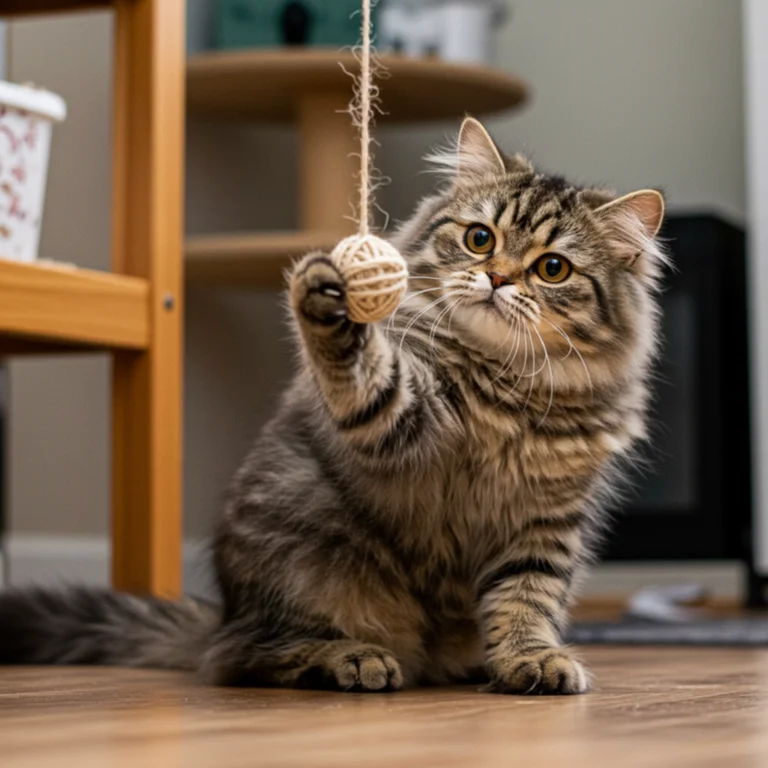
- Round face with large, expressive eyes
- Long, thick, and silky coat requiring regular grooming
- Sturdy, medium-to-large body with short legs
- Flat or “doll” face, depending on the lineage
- Weight typically ranges from 7-13 pounds
- Quiet and gentle demeanor
Lifespan
The glamorous Persian cat breed typically lives between 12 and 17 years, potentially longer with proper care. These serene beauties require extra TLC, especially daily grooming for their luxurious coats and cleaning of their facial folds and eyes. Regular vet checks and a good diet are also vital for keeping your flat-faced friend healthy and content.
Living Environment
Persians thrive in calm, indoor environments where they feel safe and comfortable. They are not as active as some breeds and prefer lounging on soft furniture rather than climbing or jumping. Due to their long coats, they require daily grooming to prevent mats and tangles.
Enriched environment
- Keep grooming tools accessible nearby
- Set up quiet, padded resting areas
- Use gentle toys for calm play
Allergy Factors
Hypoallergenic = Lower Fel d 1 levels; reduced allergic reactions

Not Recommended for Allergy Sufferers (Higher Allergen Potential)
Persian cats are explicitly listed as one of the most problematic breeds for allergy sufferers. They are not considered hypoallergenic. Their famously thick, long coats are highly effective at carrying and spreading and dander (pet dandruff) throughout the home environment. Persians are generally known for their gentle and calm demeanor. However, their extensive grooming requirements, which often involve daily brushing to prevent severe matting, increase direct contact with allergens for their owners.
Social Habits

With Family
Persians are affectionate but not overly clingy. They enjoy being near their owners but are just as happy resting in a quiet spot. They do well with gentle handling and are great companions for people who appreciate a calm, loving pet.

With other Pets
Persians can coexist well with other pets, but they prefer a serene household. They may not enjoy overly energetic companions and do best with other calm animals, such as relaxed cats or gentle dogs.