Ragdoll Cat Breed
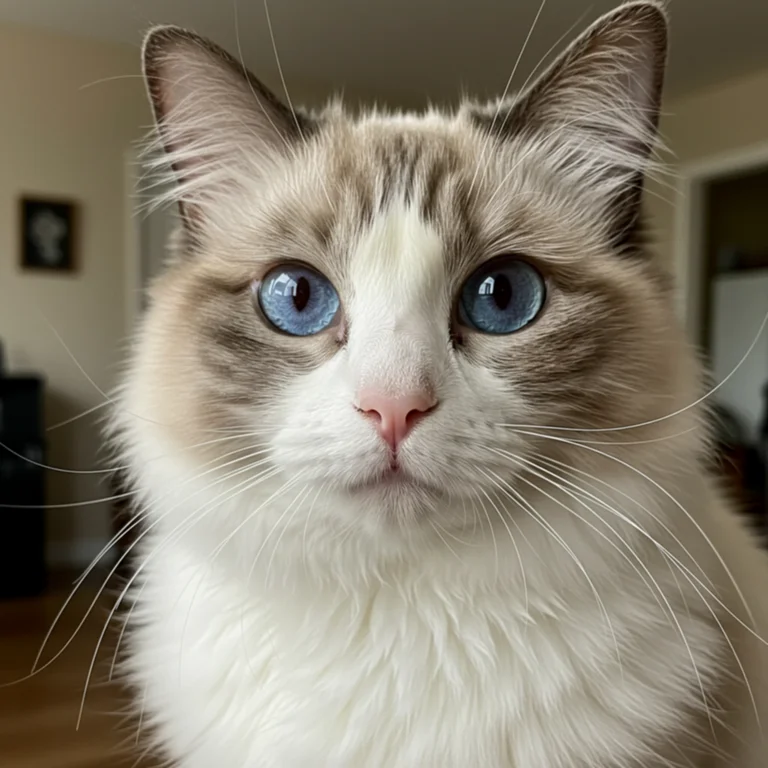
The Gentle Giant with a Loving Nature
Personality
Ragdoll cats are known for their affectionate, gentle, and laid-back temperament. They are often called "puppy-like" because they love following their owners around and enjoy being held. True to their name, Ragdolls tend to go limp when picked up, making them one of the most relaxed and cuddly cat breeds. They thrive on companionship and prefer being around people rather than being left alone for long periods.
Good Match for…
- Families who want a cuddly, gentle pet
- First-time owners wanting a laid-back breed
- Homes that enjoy quiet and affectionate cats
Profile
Ragdoll
Profile for this Cat Breed
- Size
- Large, 9-11 inches (23-28 cm)
- Appearance
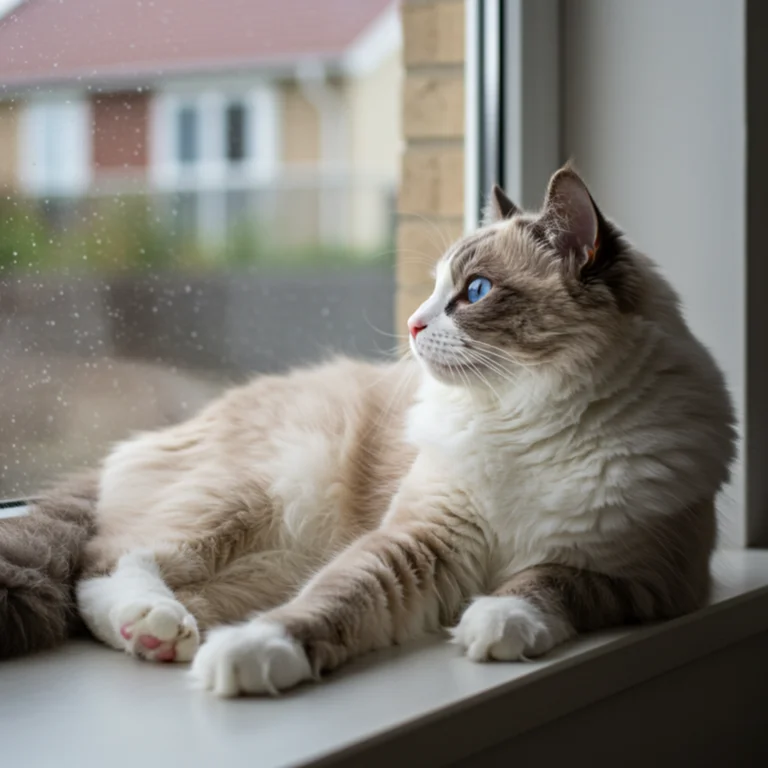
- Semi-longhair with blue eyes and a docile nature
- Lifespan
- 12-17 years
- Weight
- 4-9 kg/9-20 lbs
- Color
- Seal, blue, chocolate, lilac, red, cream
- Grooming
- Moderate
Origin
The Ragdoll breed was developed in the 1960s by Ann Baker, a breeder in California, USA. The foundation cat, Josephine, was a long-haired white cat with an exceptionally docile personality. Through selective breeding, Ragdolls were established as a breed known for their affectionate and relaxed nature, making them one of the most popular family pets today.

Characteristics
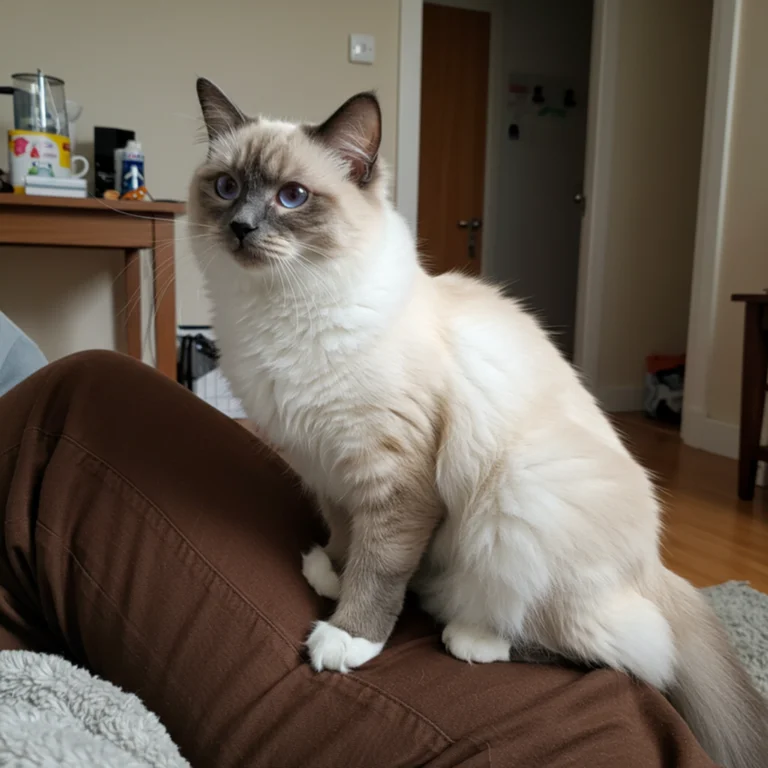
- Large, muscular body with a soft, semi-long coat
- Striking blue eyes and a color-point pattern similar to Siamese cats
- Silky, plush fur that is low-shedding but requires regular grooming
- Weight typically ranges from 9-20 pounds, with males being larger
- Docile and affectionate, often flopping when picked up
- Quiet voice but expressive through body language
Lifespan
The gentle Ragdoll cat breed typically enjoys life for 12 to 17 years. These big, blue-eyed beauties are generally healthy, but reaching their full potential lifespan means good care! Regular vet visits, a balanced diet suited to their size, keeping them safely indoors, and plenty of affection will help your floppy cat thrive through the years.
Living Environment
Ragdolls adapt well to indoor living and do best in a calm, structured environment. They are not strong climbers but enjoy cozy spaces, interactive toys, and gentle play. Due to their trusting nature, they should be kept indoors or in a secure outdoor enclosure to keep them safe.
Enriched environment
- Install wide perches for lounging
- Offer soft toys and low play areas
- Provide calm spaces for alone time
Allergy Factors
Hypoallergenic = Lower Fel d 1 levels; reduced allergic reactions

Not Recommended for Allergy Sufferers (Higher Allergen Potential)
Ragdoll cats are not hypoallergenic and produce Fel d 1. However, they are often considered less problematic for allergy sufferers compared to other long-haired breeds. This is due their lack of an undercoat, which results in less shedding. This reduced shedding means lower levels of dander (pet dandruff) and Fel d 1 protein are released into the environment. Regular grooming, including brushing and wiping with a damp cloth, helps to minimize Fel d 1 on their fur. Bathing them every 4-6 weeks can also assist in managing allergen levels effectively.
Social Habits

With Family
Ragdolls are highly affectionate and love spending time with their family. They enjoy being held, cuddled, and even carried around. They are perfect for families, singles, and seniors who want a loving and easygoing companion.

With other Pets
Ragdolls are one of the most social and tolerant cat breeds, making them excellent companions for other cats and even dogs. Their friendly and relaxed nature allows them to get along well with most pets, especially if introduced properly.