Scottish Fold Cat Breed
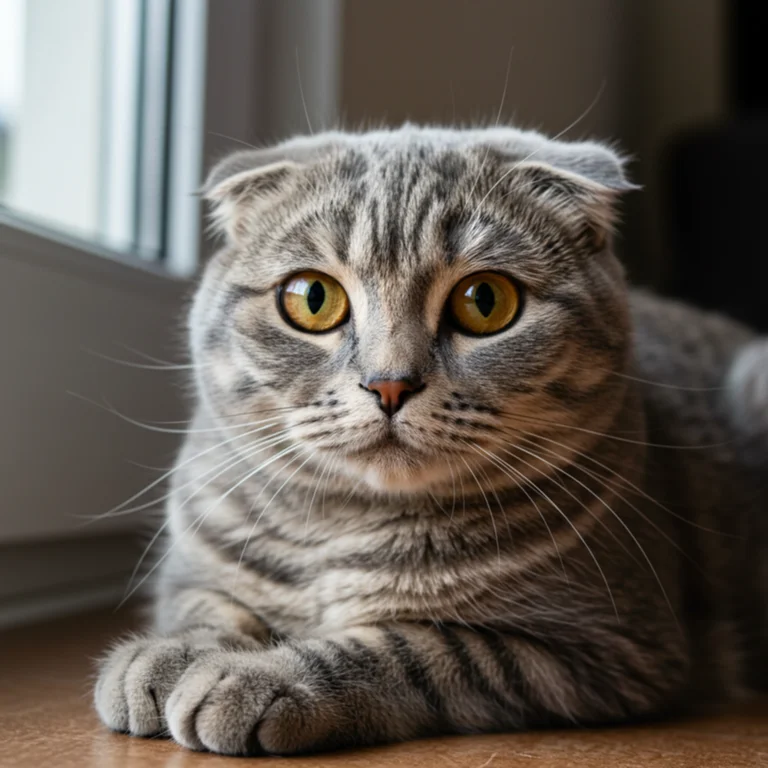
The Charming Cat with Iconic Folded Ears
Personality
Scottish Fold cats are known for their affectionate, calm, and people-oriented nature. They form strong bonds with their owners and love being part of daily activities. While playful and curious, they are not overly energetic, making them great companions for relaxed households. They are also known for their adorable habit of sitting in unusual, human-like positions, such as the "Buddha sit."
Good Match for…
- People who love gentle, sweet-natured cats
- Families wanting a quiet and affectionate pet
- Owners who can monitor for joint health issues
Profile
Scottish Fold
Profile for this Cat Breed
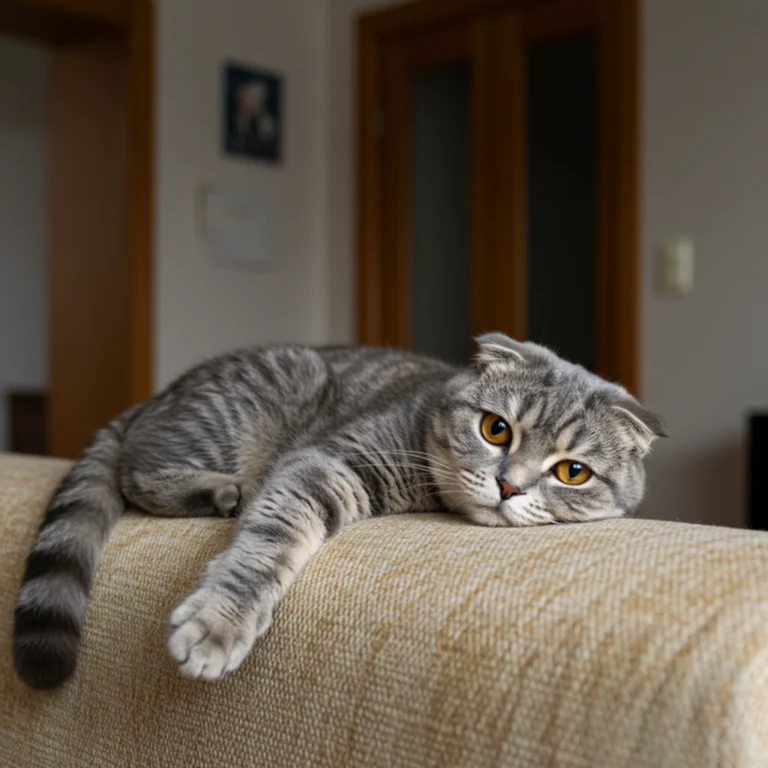
- Size
- Medium, 8-10 inches (20-25 cm)
- Appearance
- Round face with folded ears
- Lifespan
- 11-15 years
- Weight
- 3-6 kg/7-13 lbs
- Color
- Wide variety
- Grooming
- Moderate
Origin
The Scottish Fold breed originated in Scotland in 1961 when a shepherd named William Ross discovered a kitten with unusual folded ears on his farm. This kitten, named Susie, became the foundation for the breed. The distinctive ear fold is caused by a natural genetic mutation affecting cartilage, giving them their signature look.

Characteristics
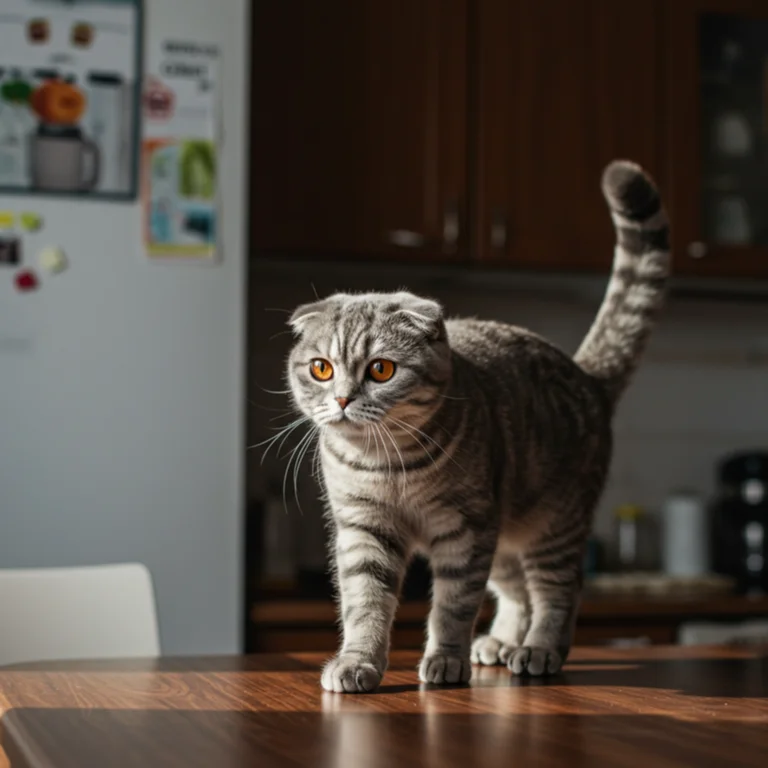
- Unique folded ears give an "owl-like" appearance
- Large, round eyes that enhance their expressive face
- Medium-sized body with a well-rounded build
- Plush, dense coat that can be short or long-haired
- Weight typically ranges from 7-13 pounds
- Sweet, soft voice with gentle vocalizations
Lifespan
Scottish Folds, with their unique ears, typically live 12 to 16 years. However, their distinctive look is linked to a serious genetic condition affecting their cartilage and joints, requiring lifelong awareness and care. Regular vet monitoring for pain or stiffness, a healthy diet, and a comfortable environment are crucial for managing their well-being and providing a good quality of life.
Living Environment
Scottish Folds adapt well to various living spaces, whether apartments or larger homes. They enjoy cozy spots, interactive toys, and companionship. They are not highly active climbers but appreciate soft beds and cat trees for lounging. Due to their social nature, they do best in homes where they receive plenty of attention.
Enriched environment
- Use soft bedding and padded shelves
- Offer variety of textures in toys
- Provide moderate-height observation spots
Allergy Factors
Hypoallergenic = Lower Fel d 1 levels; reduced allergic reactions

Not Recommended for Allergy Sufferers (Higher Allergen Potential)
Scottish Fold cats are not hypoallergenic and produce similar amounts of allergens, specifically the Fel d 1 protein, as other breeds. They exhibit average shedding and dander (pet dandruff) accumulation, contributing to airborne allergens in the home. These cats are recognized for their distinctive folded ears and gentle temperament. Regular bathing, typically every 4-6 weeks, combined with consistent brushing, can help manage the allergens they produce.
Social Habits

With Family
Scottish Folds are affectionate and love spending time with their human family. They enjoy gentle cuddles and will often follow their owners from room to room. They are well-suited for families, singles, or seniors who want a loving, low-maintenance companion.

With other Pets
Scottish Folds generally get along well with other pets, including cats and cat-friendly dogs. Their gentle temperament makes them great additions to multi-pet households, though they prefer calm companions over overly rambunctious ones.