Tonkinese Cat Breed
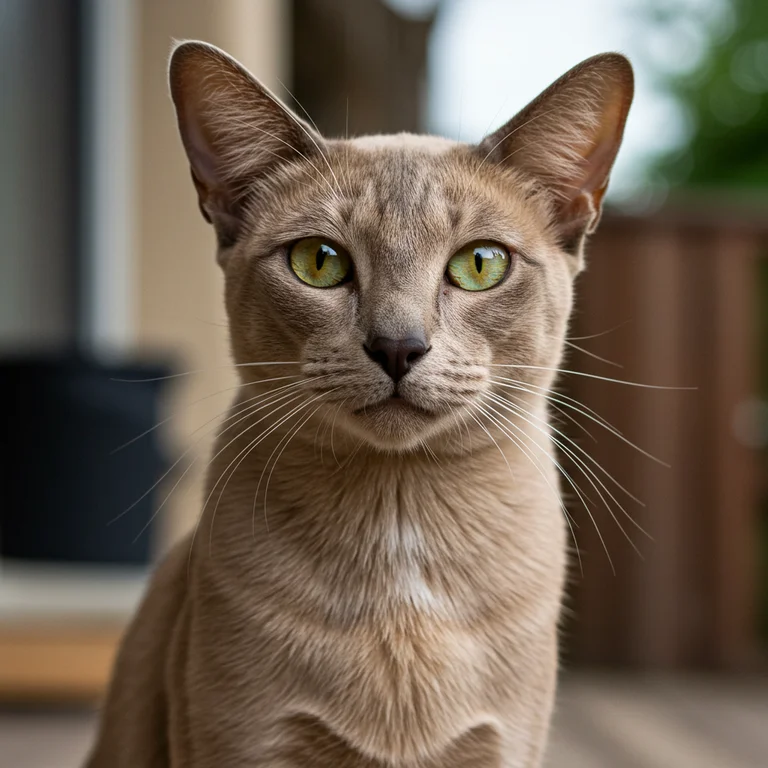
The Social Butterfly with Endless Charm
Personality
Tonkinese cats are affectionate, outgoing, and highly intelligent. They thrive on human interaction and love being the center of attention, often following their owners from room to room. Playful and curious, they enjoy interactive toys, puzzle games, and even learning tricks. Their friendly and engaging personality makes them a perfect choice for those seeking a lively and affectionate feline companion.
Good Match for…
- Owners who want a lively and vocal cat
- People who enjoy affectionate, dog-like cats
- Homes with time for play and companionship
Profile
Tonkinese
Profile for this Cat Breed
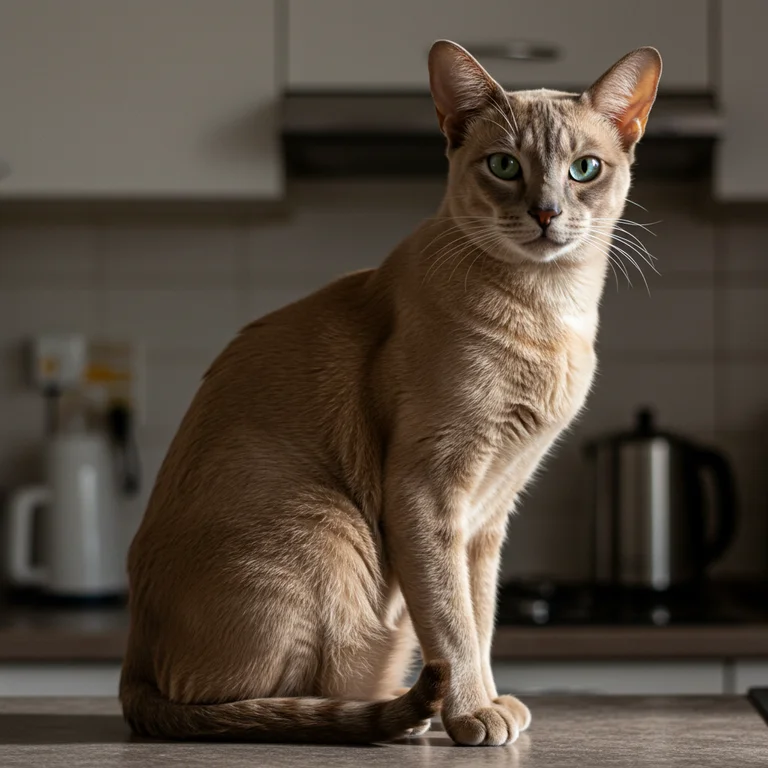
- Size
- Medium, 8-10 inches (20-25 cm)
- Appearance
- Sleek, short coat with a muscular build
- Lifespan
- 12-16 years
- Weight
- 3-5 kg/7-11 lbs
- Color
- Mink, solid, pointed (variety of shades)
- Grooming
- Low maintenance
Origin
The Tonkinese breed was developed by crossing Siamese and Burmese cats, combining the best traits of both breeds. The goal was to create a cat with the playful and affectionate nature of the Siamese while maintaining the more relaxed temperament of the Burmese. Recognized as a distinct breed in the 1960s, Tonkinese cats are now loved for their unique personalities and striking coat patterns.

Characteristics
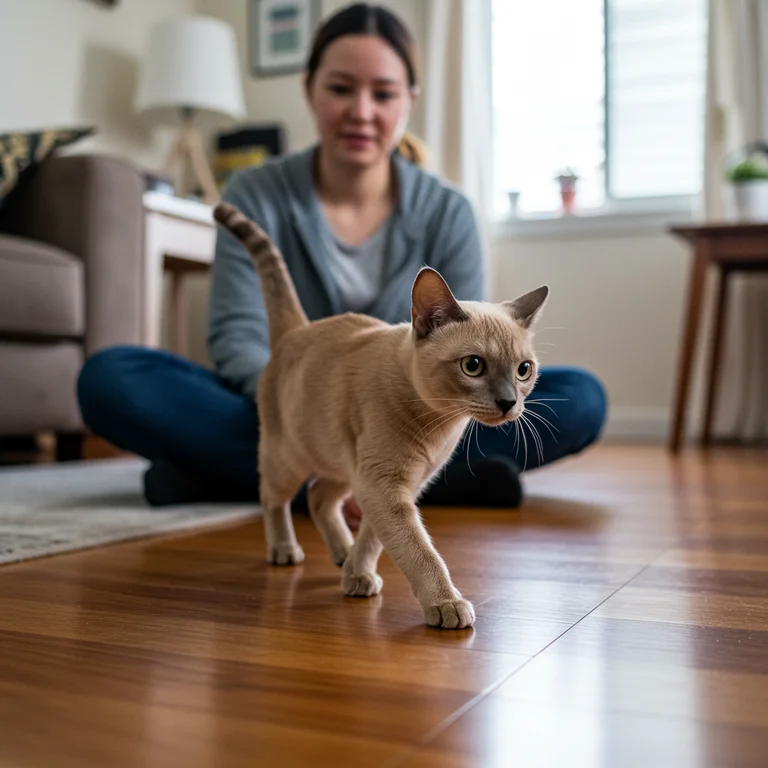
- Short, silky coat that comes in a variety of colors and patterns
- Medium-sized, muscular body with a well-balanced build
- Almond-shaped, expressive eyes that can be aqua, blue, green, or gold
- Wedge-shaped head with high cheekbones and large ears
- Weight typically ranges from 7-11 pounds, with males being larger
- Lively and playful nature, often enjoying games of fetch or puzzle toys
Lifespan
The charming Tonkinese cat, a delightful mix of Siamese and Burmese, typically lives between 12 and 16 years, sometimes even 18 or more! These playful and affectionate cats thrive on companionship. Regular vet check-ups, a balanced diet, diligent dental care, and plenty of interactive play help keep these lovely cats healthy and happy for many years.
Living Environment
A social and stimulating environment is ideal for this breed. They enjoy interactive toys, climbing structures, and plenty of human interaction. These cats do not like being left alone for long periods, so a home with companionship, either human or another pet, is best. Their short coat requires minimal grooming, making them a low-maintenance choice for busy households.
Enriched environment
- Schedule interactive play several times daily
- Provide climbing access to high spots
- Offer social interaction and toys
Allergy Factors
Hypoallergenic = Lower Fel d 1 levels; reduced allergic reactions

Not Recommended for Allergy Sufferers (Higher Allergen Potential)
Sources do not explicitly state that Tonkinese cats are hypoallergenic or produce lower Fel d 1. As a hybrid of Siamese and Burmese breeds, they may inherit some lower-shedding characteristics. Their short, fine coat requires minimal maintenance and sheds minimally. They are highly social and vocal. Weekly brushing helps remove loose hairs and minimizes shedding, and occasional baths can be beneficial for their coat health.
Social Habits

With Family
This breed is highly affectionate and thrives on human companionship. They love to snuggle, chat, and play, often curling up in a lap or engaging in interactive games. Their friendly nature makes them a great fit for families, singles, and even first-time cat owners.

With other Pets
Tonkinese cats are social and playful, making them great companions for other cats and cat-friendly dogs. They enjoy having a playmate and do best in a home where they are not left alone for long periods. Their friendly and adaptable nature allows them to integrate well into multi-pet households.