Preparing for a New Cat Arrival
Bringing a new cat or kitten home is an exciting time! To ensure a smooth transition and a happy, safe environment for your new furry friend, it's essential to prepare your home in advance. This checklist will guide you through the necessary steps to create a welcoming space for your new feline companion.
Preparing for a New Cat Arrival:

- Cat-Proofing for a Safe Home
- Essential Supplies You Will Need
- Creating A Safe 'Home Base'
- Setting Up Feeding And Drinking Areas
- Choosing and Placing the Right Litter Box
- Scratching Posts, Toys And Other Enrichment
- Gradual Introductions to Other Pets
- Identifying and Removing Toxic Plants
- Storing Harmful Chemicals And Materials Safely
- Scheduling the First Vet Visit
- Conclusion: A Warm Welcome Awaits
Cat-Proofing For A Safe Home
Cats are curious creatures, and their inquisitive nature can sometimes lead them into trouble. Before your new cat arrives, take the time to cat-proof your home to minimize potential hazards.
- Secure Windows and Screens: Ensure that windows and screens are securely fitted to prevent escapes. Cats can easily push out loose screens.
- Hide Electrical Cords: Cats may chew on electrical cords, posing a serious electrocution risk. Use cord protectors or conceal cords behind furniture.
- Store Medications and Cleaning Supplies: Keep all medications (human and pet) and cleaning supplies in locked cabinets or out of reach. Many common household products are toxic to cats.
- Remove Small Objects: Cats may swallow small objects like rubber bands, paper clips, or string, which can cause intestinal blockages.
- Check for Tight Spaces: Cats can squeeze into surprisingly small spaces. Block off any potentially dangerous areas, such as behind appliances or inside furniture.

Essential Supplies You Will Need
Having the right supplies on hand will make your new cat's arrival much smoother. Here's a list of essential items:
- Food and Water Bowls: Choose ceramic, stainless steel, or glass bowls that are easy to clean.
- Cat Food: Select a high-quality cat food appropriate for your cat's age and health needs.
- Litter Box and Litter: Choose a litter box that's large enough for your cat and select a litter type that you and your cat prefer.
- Scratching Post: Provide a sturdy scratching post to satisfy your cat's natural scratching instincts.
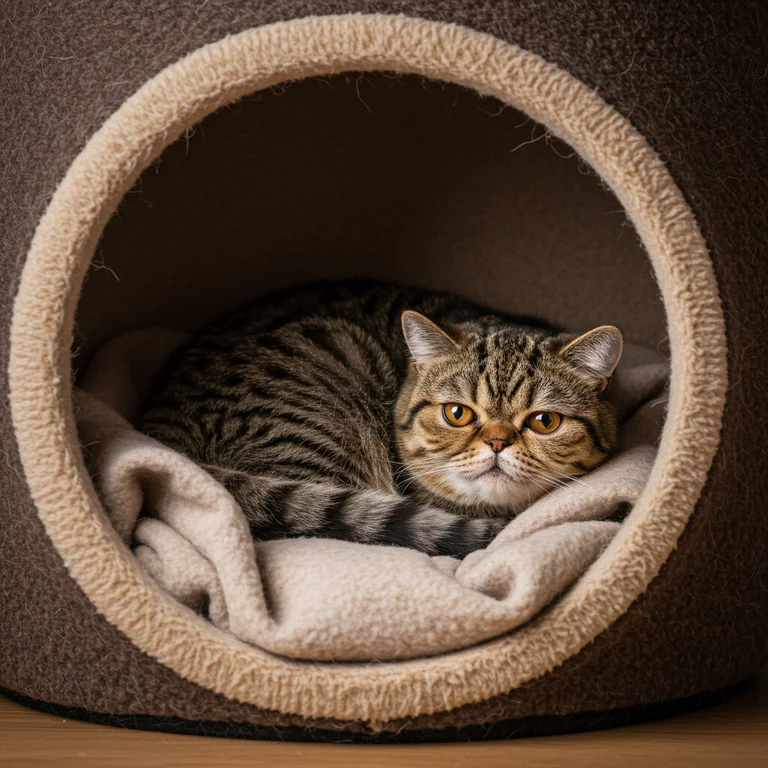
- Cat Bed: Offer a comfortable cat bed or blanket where your cat can sleep and relax.
- Toys: Provide a variety of toys to keep your cat entertained and stimulated.
- Cat Carrier: A cat carrier is essential for vet visits and other travel.
Creating a Safe 'Home Base'
When your new cat first arrives, they may feel overwhelmed and anxious. Providing a safe space where they can retreat and feel secure is crucial for their adjustment.
- Choose a Quiet Room: Select a quiet room with minimal foot traffic as your cat's "home base."
- Set Up Essentials: Place food, water, litter box, bed, and toys in this room.
- Allow Time to Adjust: Let your cat explore the room at their own pace. Don't force them to interact with you or other pets.
- Provide Hiding Places: Offer hiding places like cardboard boxes or covered cat beds where your cat can feel safe and secure.
Setting Up Right Litter Box Areas
Proper placement of food and water bowls is essential for your cat's comfort and well-being.
- Separate Food and Water: Cats prefer to drink water away from their food. Place food and water bowls in separate locations.
- Choose Quiet Locations: Place food and water bowls in quiet areas away from high-traffic zones.
- Elevated Bowls (optional): Some cats prefer elevated food and water bowls, which can be beneficial for cats with arthritis or neck problems.
- Clean Bowls Regularly: Wash food and water bowls daily to prevent bacterial growth.
Choosing and Placing the Right Litter Box
The litter box is a crucial part of your cat's environment. Choosing the right box and placing it in a suitable location can prevent litter box aversion.
- Choose the Right Size: The litter box should be large enough for your cat to turn around comfortably.
- Consider the Type: Covered or uncovered? Some cats prefer one over the other. Experiment to see what your cat likes.
- Placement is Key: Place the litter box in a quiet, accessible location away from food and water bowls.
- Number of Boxes: A general rule is to have one litter box per cat, plus one extra.
- Clean Regularly: Scoop the litter box daily and change the litter completely at least once a week.
Scratching Posts, Toys And Other Enrichment
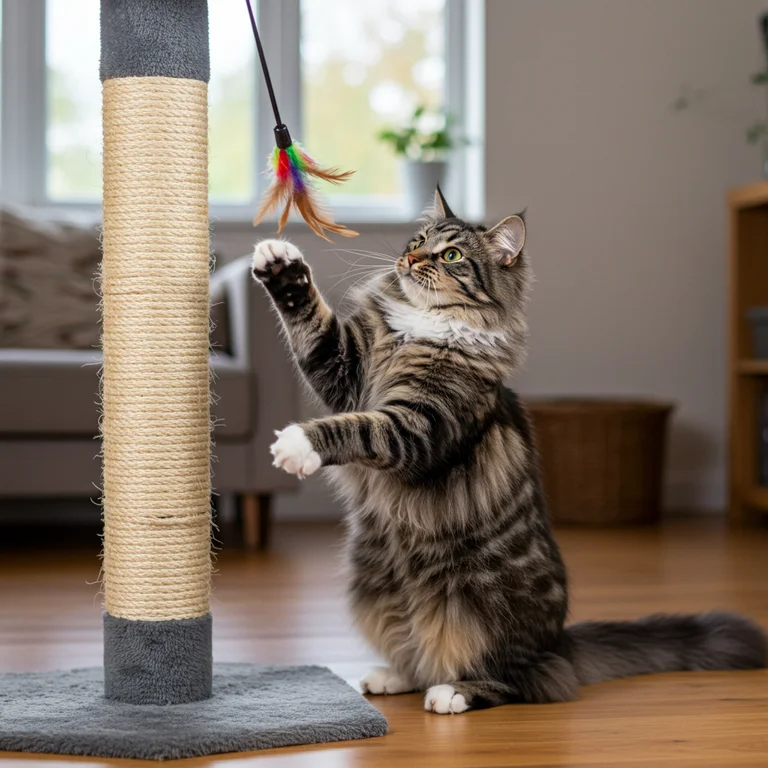
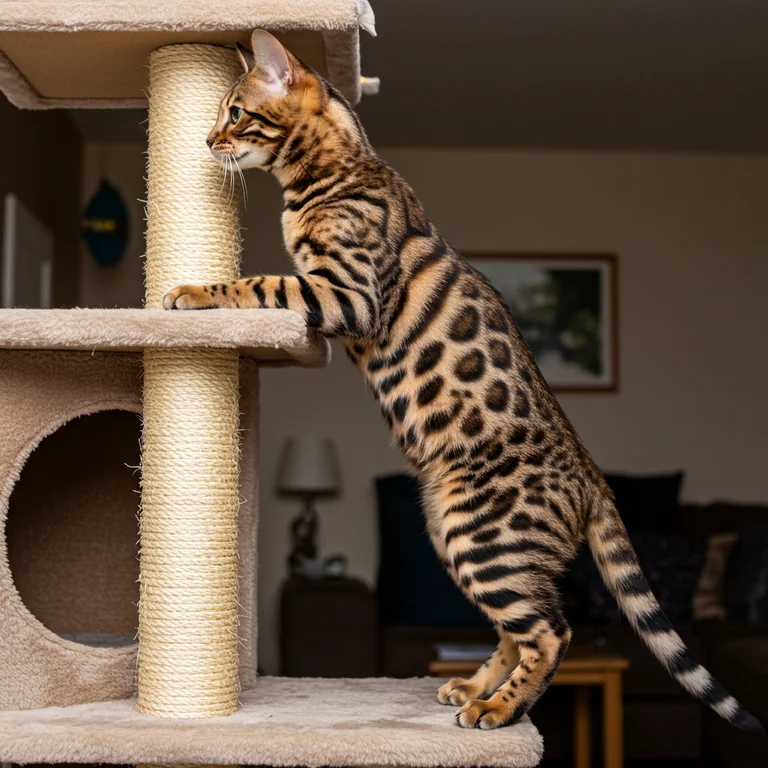
Scratching is a natural behavior for cats, and providing scratching posts can prevent them from scratching furniture. Toys are also essential for mental and physical stimulation.
- Variety of Scratching Posts: Offer a variety of scratching posts, including vertical, horizontal, and angled options.
- Controlled Introductions: Start with short, supervised introductions, gradually increasing the time they spend together.
- Interactive Toys: Provide interactive toys like feather wands, laser pointers, and puzzle toys to engage your cat's hunting instincts.
- Rotate Toys: Rotate toys regularly to keep your cat interested and prevent boredom.
Gradual Introduction To Other Pets
If you have other pets, it's important to introduce your new cat gradually to minimize stress and conflict.
- Scent Swapping: Before introducing them face-to-face, swap scents by rubbing a towel on each pet and placing the towel near the other pet's sleeping area.
- Controlled Introductions: Start with short, supervised introductions, gradually increasing the time they spend together.
- Separate Feeding Areas: Feed pets in separate areas to prevent food aggression.
- Provide Vertical Space: Ensure that your cat has access to vertical space, such as cat trees or shelves, where they can feel safe and observe their surroundings.
Identifying and Removing Toxic Houseplants
Many common houseplants are toxic to cats. Before your new cat arrives, identify and remove any potentially harmful plants.
- Common Toxic Plants: Lilies, azaleas, tulips, and daffodils are just a few of the many plants that are toxic to cats.
- Research Before Buying: Before bringing any new plants into your home, research their toxicity to cats.
- Keep Plants Out of Reach: If you have toxic plants, keep them out of reach of your cat, such as on high shelves or in hanging baskets.
Storing Harmful Chemicals and Materials Safely
Many cleaning supplies contain chemicals that are toxic to cats. Store all cleaning supplies in a secure location out of your cat's reach.
- Locked Cabinets: Store cleaning supplies in locked cabinets or high shelves.
- Original Containers: Keep cleaning supplies in their original containers with clear labels.
- Never Mix Chemicals: Never mix different cleaning chemicals, as this can create toxic fumes.
- Clean Up Spills Immediately: Clean up any spills immediately and thoroughly.


Scheduling the First Vet Visit
Scheduling a vet visit soon after your new cat arrives is essential for their health and well-being.
- Health Check: The vet will perform a thorough health check to identify any potential health problems.
- Vaccinations and Parasite Control: The vet will administer necessary vaccinations and provide parasite control medication.
- Microchipping: If your cat isn't already microchipped, consider having them microchipped for identification purposes.
- Discuss Diet and Behavior: Use the vet visit as an opportunity to discuss your cat's diet and any behavioral concerns you may have.
Conclusion: A Warm Welcome Awaits
By taking the time to prepare your home before your new cat arrives, you can create a safe, comfortable, and welcoming environment that will help them adjust quickly and thrive. With a little planning and preparation, you can ensure a smooth transition and a long, happy life together.
Find a cat companion with our quick, fun quiz!
Match me