Questions to Ask Before Adopting a Cat
Bringing a cat into your home is an exciting prospect, filled with dreams of cuddles, playful pounces, and the gentle rhythm of purrs. However, that initial wave of joy can sometimes be followed by unexpected anxieties. New adopters might find themselves wondering if they were truly prepared, if they chose the right feline companion, or how to navigate the nuances of cat care. This feeling, often referred to as "
adopter's remorse
", is a common experience, even for those who have previously welcomed pets into their lives.
The good news is that by asking the right questions before you adopt, you can significantly reduce the likelihood of these anxieties and pave the way for a happy and fulfilling relationship for both you and your new cat.
Questions Before Adopting a Cat:

- Setting the Stage for Adoption
- Questions to Ask Yourself before Adopting
- Top Questions to ask the Shelter or Last Owner
- Turning Your Home into a Cat-Friendly Environment
- The Initial Adjustment Period and Adopter's Remorse
- Making an Informed Decision for Adoption
Setting the Stage for Adoption
The journey of cat adoption often begins with a surge of warmth and anticipation. Yet, the reality of bringing a new pet home involves a significant life change, and it's natural for feelings of doubt or being overwhelmed to surface. This sudden panic, guilt, or regret arises after adopting a pet, is surprisingly common. Even experienced pet owners can find themselves questioning their decision as they spend the initial days and weeks with a new animal.
It's important to remember that feeling a bit overwhelmed, especially in the beginning, is entirely normal. The first few days represent a period of significant transition for both the cat and the adopter as you both adjust to new routines, environments, and expectations. For the cat, everything is unfamiliar e.g. the sights, sounds, smells, and the people around them. For you, adopting a cat means adapting your schedule and lifestyle to meet the needs of your new companion.

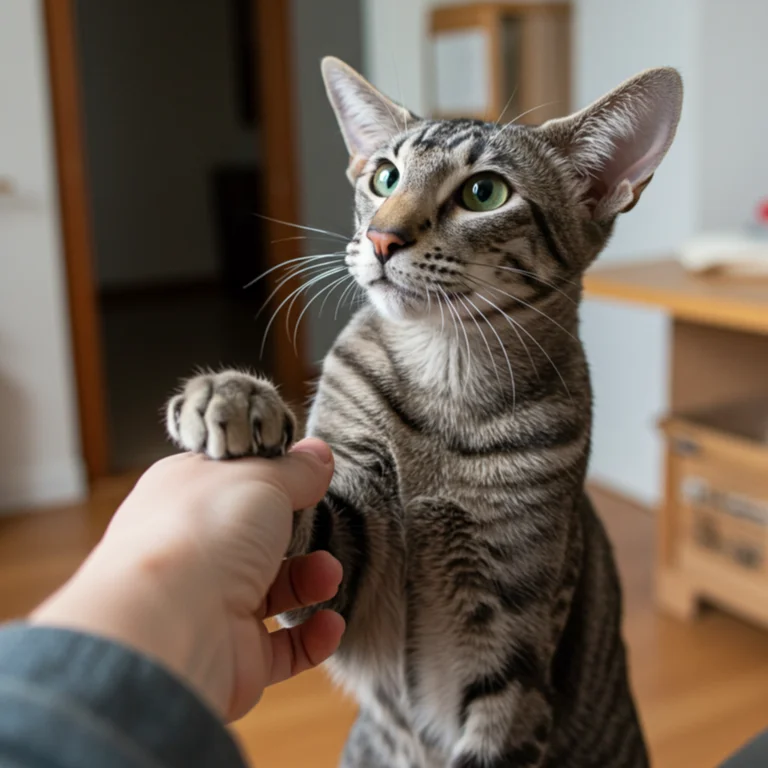
Understanding the typical timeline for a cat to settle into a new home can be incredibly helpful. Often referred to as the "rule of three", this guideline suggests that it generally takes around three days for a cat to start decompressing and feeling less overwhelmed, about three weeks to begin settling into a routine and showing their true personality, and approximately three months for them to truly feel at home and secure.
Remember, patience is key, not just with your new but also with yourself. Setting realistic expectations from the outset is crucial, as a common pitfall is having an idealized vision of how the cat will behave immediately upon arriving home. Keep in mind that a shelter environment is vastly different from a home, and a cat's behavior may change once they are in a more comfortable setting.
Questions to Ask Yourself before Adopting
Before you even set foot in a shelter or connect with a potential previous owner, it's vital to ask yourself some fundamental questions about your readiness for cat ownership.
You Commit for the Long Haul?
Cats typically have a lifespan of 12 to 18 years, and with good care, some can even live for 20 years or more. Adopting a cat is a significant, long-term commitment, much like adding a new member to your family. Consider where you see yourself in the next decade or two. Will your lifestyle accommodate a cat through potential moves, career changes, or the addition of human family members? Being prepared for this extended commitment of time, energy, and finances is paramount.
Are You Financially Prepared for a Feline Friend?
The costs associated with owning a cat extend far beyond the initial adoption fee. You'll need to budget for high-quality food, cat litter, routine veterinary care (including annual check-ups and vaccinations), unexpected medical expenses, toys, grooming supplies, and potentially even pet insurance. Emergency vet visits can be particularly costly, making it wise to have a financial safety net or consider pet insurance. Before adopting, take a realistic look at your financial situation and determine if you can comfortably afford the ongoing expenses of cat ownership.
Does Your Current Lifestyle Suit The Cat's Needs?
While cats are often perceived as independent, they still require a significant time commitment. Consider your daily routine, work schedule, and how often you travel. Even cats who enjoy their alone time need daily interaction, playtime, and attention to thrive both physically and mentally.
Do You Have Existing Pets or Children?
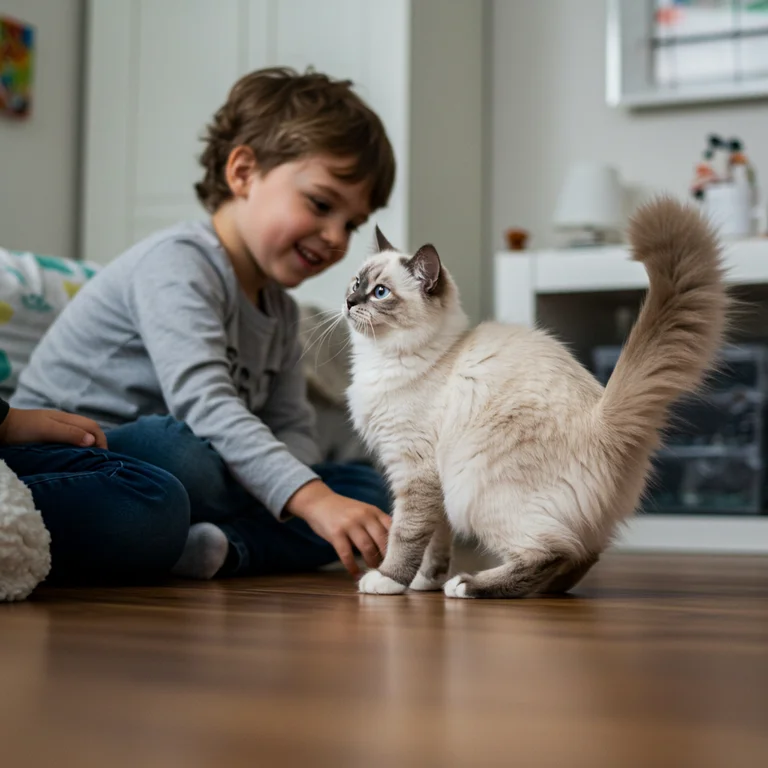
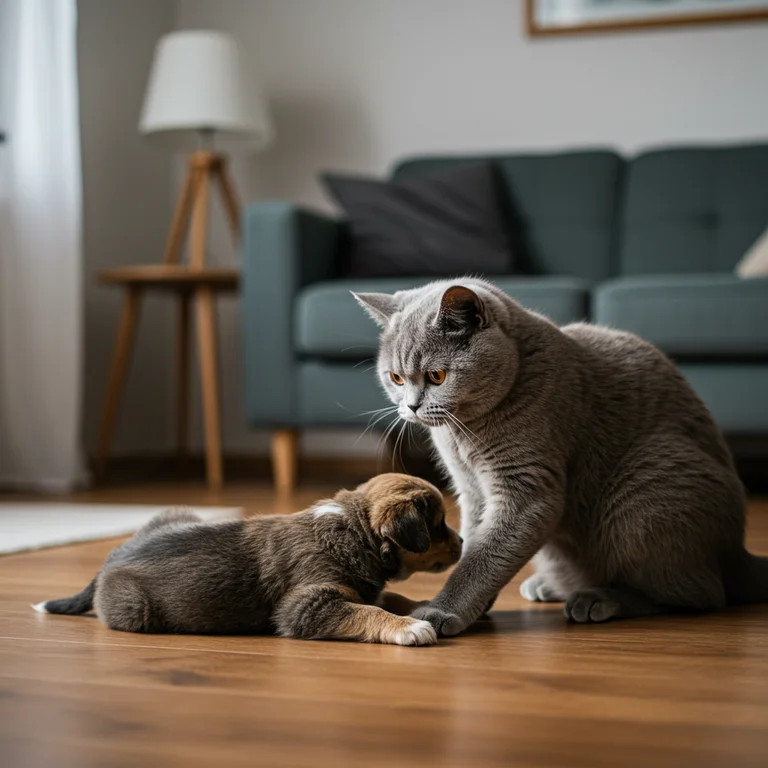
If you already have pets, such as dogs or other cats, it's crucial to think about how a new feline companion might fit into the existing dynamic. Introducing a new cat to a household with other animals requires a slow and gradual process, and there's always the potential for challenges. Similarly, if you have children, especially young ones, consider their maturity level and ability to handle a cat gently and respectfully.
What Kind of Cat Are You Looking For?
Think about your preferences regarding a cat's age ( kitten versus adult or senior ), personality ( playful, cuddly, independent, shy ), breed ( if that's important to you ), and energy level. Adult and senior cats often have established personalities, and adopting them can be incredibly rewarding as they are frequently overlooked. Visiting local shelters and interacting with different cats can help you find a feline friend whose personality truly meshes with yours.


Top Questions to Ask the Shelter or Last Owner
Once you've reflected on your own circumstances, the next crucial step is to gather as much information as possible about the cat you are considering adopting. Asking detailed questions to the shelter staff or the previous owner (if applicable) can provide invaluable insights.
Understanding the Cat's History and Temperament
- Background: Where did the cat come from? Was it a stray, surrendered by a previous owner, or rescued from a particular situation? How long has the cat been in the shelter or foster care?
- Preferences: How would you describe the cat's personality? Is it sociable, shy, playful, cuddly, independent, or fearful?
- Ongoing Needs: Take the time to observe the cat's behavior in the shelter environment. Does it seem relaxed, anxious, curious, or withdrawn?
Delving into Their Medical Background
- Medical History: Can you provide the cat's medical history, including vaccination records and spay/neuter status?
- Tolerance: Has the cat been tested for feline immunodeficiency virus (FIV), feline leukemia virus (FeLV), or feline herpesvirus (FHV)?
- Ongoing Needs: Are there any known health issues, allergies, or chronic conditions that require ongoing medication or special care?
Identifying Any Behavioral Quirks or Challenges
- Behavioral Issues: Does the cat have any known behavioral challenges, such as fearfulness, anxiety, aggression towards humans or other animals, or destructive habits like excessive scratching or chewing?
- Tolerance: Are there any specific triggers that seem to cause negative behaviors, such as loud noises or being handled in certain ways?
- Meet and Greet: Does the shelter have any recommendations or resources for managing these behaviors?
Uncovering Their Dietary Preferences and Habits
- Food Habits: What type of food (brand, wet, or dry) is the cat currently eating? Does the cat have any known food allergies or sensitivities?
- Feeding Schedule: What is the cat's typical feeding schedule and what are the usual portion sizes?
- Preferences: Is the cat a picky eater?
Gauging Their Grooming Requirements
- Interaction History: Does the cat have long or short fur, and what is the typical shedding level?
- Tolerance: How does the cat react to being groomed, such as brushing or nail trimming?
- Preferences: Does the cat require professional grooming services?
Confirming Litter Box Habits
- Consistency: Does the cat consistently use the litter box? Are there any known issues with litter box usage?
- Preferences: Does the cat have any preferences regarding the type of litter or the style of litter box?
Assessing Compatibility with Other Animals and Children
- Interaction History: Has the cat lived with other cats, dogs, or other types of animals before? How did those interactions typically go?
- Support: What have the shelter staff observed about the cat's interactions with other animals or children?
- Meet and Greet: If you have existing pets, is it possible to arrange a supervised meet-and-greet before making a final decision?
Clarification of the Reasons for Moving
- Reason for Surrender: If the cat was surrendered by a previous owner, what were the reasons for re-homing? While the shelter may not always have complete information, understanding the circumstances can sometimes be helpful.
Understanding the Shelter's Policies on Returns
- Return Policy: What is the shelter's policy if the adoption doesn't work out? Is there a trial period or a process for returning the cat?
- Support: What kind of support does the shelter offer to new adopters who are experiencing challenges with their adopted cat, such as behavioral advice or resources?
Turning Your Home into a Cat-Friendly Environment
Before your new cat arrives, preparing your home to be a safe, comfortable, and stimulating environment is essential.
Setting Up a Safe and Comfortable Space
Designate a small, quiet "safe room" where your cat can initially get used to their new surroundings. This room should include hiding spots like cardboard boxes or spaces under furniture , as well as separate areas for their food, water, and litter box. Providing vertical spaces like cat trees or shelves and scratching posts of various types and materials will further enhance their sense of security and well-being.
Gathering Essential Supplies: A Checklist
Ensure you have the following essential supplies ready before your cat's arrival:
- Food and water bowls
- Cat food (ask the shelter or previous owner about their current diet)
- Litter box and cat litter (ask about the type they are currently using)
- Cat carrier
- Scratching posts
- Cat toys
- Cat bed
- Collar with an ID tag
- Brush and nail clippers
- Enzymatic cleaner (for cleaning up any accidents)
Cat-Proofing Your Home for Safety
Walk through your home and identify any potential hazards for your new cat. This includes securing or removing toxic plants (lilies are particularly dangerous), cleaning supplies, medications, and electrical cords. Put away small objects that could be swallowed and ensure that furniture is stable and cannot easily tip over. Secure any curtain cords or blind pulls to prevent the risk of strangulation, and consider installing window screens to prevent accidental escapes.
Read about harmful Plants
and harmful Chemicals
The Initial Adjustment Period and Adopter's Remorse
The first few weeks after bringing your cat home are crucial for helping them settle in. Remember the "rule of three" and be patient as your new companion navigates this transition. Each cat will adjust at their own pace, and adult cats may take a bit longer than kittens to feel completely comfortable.
Being Patient and Setting Realistic Expectations
Avoid expecting immediate affection or playful behavior. Allow your cat to approach you on their own terms, giving them the space and time they need to feel safe. Resist the urge to force interactions or pick up your cat if they seem scared or uncomfortable. It's common for newly adopted cats to hide as they adjust to their new environment.
Recognizing and Addressing Common Post-Adoption Challenges
Be prepared for some common challenges during the initial adjustment period. Your cat might lose their appetite or not use the litter box due to stress. Hiding is a frequent behavior as they get used to their surroundings. Some cats may exhibit play aggression or bite during petting if they become overstimulated. Increased vocalization is also a possibility as they get used to their new home.
You might also notice your cat scratching furniture or other inappropriate objects. Keep an eye out for potential health issues that can arise from the stress of moving or exposure in a shelter environment, such as upper respiratory infections or parasites.
Knowing When and Where to Seek Support
Remember that feeling overwhelmed after adopting a cat is normal and often temporary. Don't hesitate to reach out to the shelter or adoption agency for guidance on any behavioral issues you might be facing. Consult with a veterinarian for any health concerns your new cat may have. There are also numerous online resources and pet owner communities where you can find support and advice.
In some cases, despite everyone's best efforts, the cat might not be the right fit for your household. Knowing that returning the cat to the shelter is an option, without judgment, can sometimes alleviate the stress of adopter's remorse.
Making an Informed Decision for Adoption
Adopting a cat can bring immense joy and companionship into your life. By taking the time to thoughtfully consider your own circumstances, ask crucial questions before you adopt, and prepare your home for your new arrival, you significantly increase the chances of a successful and fulfilling relationship. While the initial adjustment period may have its challenges, remember that patience, understanding, and a little preparation can pave the way for a lifetime of purrs and loving companionship.
Find a cat companion with our quick, fun quiz!
Match me