Top Tips when Caring for a Kitten
Bringing a new kitten into your home is an exciting adventure! These tiny bundles of fur and energy bring so much joy, but they also require special care to ensure they grow into healthy, happy cats. This guide will walk you through the essentials for caring for a kitten, from setting up their new home to understanding their unique developmental needs.
Top Tips when Caring for a Kitten:

- Preparing Your Home
- The First Vet Visit
- Nutrition for Kittens
- Litter Box Training
- Socialization and Play
- Grooming Your Kitten
- Common Health Concerns
Preparing Your Home
Before your kitten arrives, it's crucial to create a safe and welcoming environment. Think of it as kitten-proofing your house! Here's what you'll need:
- Kitten Food: Designate a room or area where your kitten can adjust to their new surroundings. This should be away from high-traffic areas and other pets initially.
- Food and Water Bowls: Choose small, shallow bowls that are easy for your kitten to access.
- A Comfortable Bed: A soft bed will provide a sense of security. You can start with a small cardboard box lined with a blanket.
- A Litter Box: Select a small litter box with low sides for easy entry.
- Kitten-Safe Toys: Provide a variety of toys, such as soft balls, feather wands, and small stuffed animals. Avoid toys with small parts that can be swallowed.
- Scratching Post: Introduce a scratching post early to encourage healthy scratching habits.
- Carrier: Get your kitten used to a carrier for vet visits and future travel.
Also, remove any potential hazards such as:

The First Vet Visit
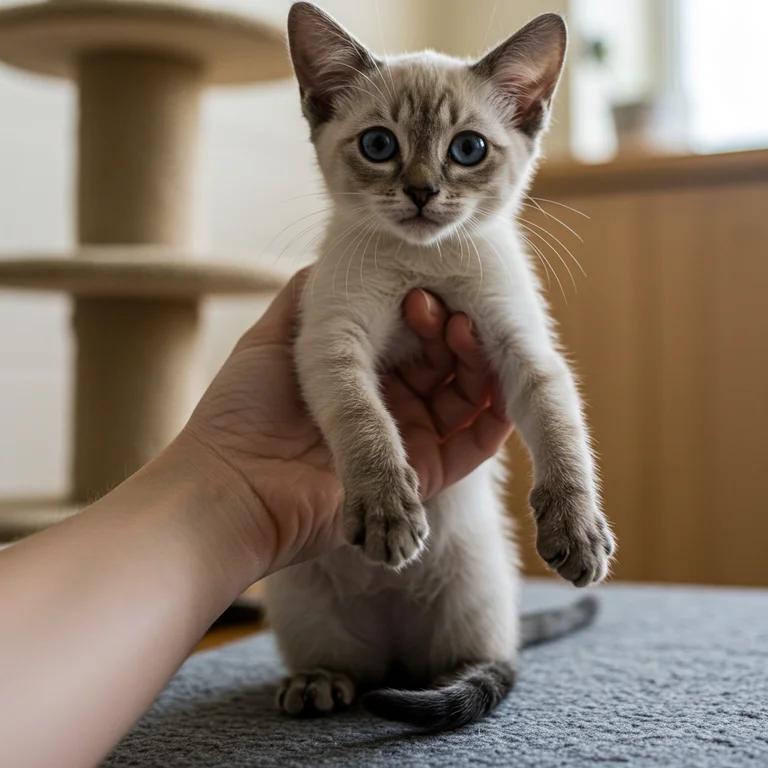
Your kitten's first vet visit is one of the most important steps in ensuring their long-term health. It's best to schedule this within the first week or two of bringing your kitten home. During this visit, your veterinarian will:
- Perform a Physical Exam: This includes checking their heart, lungs, eyes, ears, and overall condition.
- Administer Vaccinations: Kittens need a series of vaccinations to protect them from common feline diseases.
- Test for Parasites: Your vet will check for internal parasites (worms) and external parasites (fleas, mites).
- Discuss Nutrition: Your vet can recommend the best type of food and feeding schedule for your kitten.
- Discuss Microchipping: If your kitten isn't already microchipped, your vet can insert one for permanent identification.
- Answer Your Questions: This is a great opportunity to ask any questions you have about your kitten's care.
Follow your veterinarian's recommendations for future check-ups and booster vaccinations.
Nutrition for Kittens
Proper nutrition is essential for your kitten's growth and development. Here's what you need to know:
- Kitten Food: Feed your kitten a high-quality kitten food specifically formulated for their age. Kitten food contains more calories and nutrients than adult cat food.
- Feeding Frequency: Young kittens (up to 6 months) typically need to eat 3-4 times a day. As they grow, you can reduce this to twice a day.
- Wet vs. Dry Food: You can feed your kitten a combination of wet and dry food. Wet food helps with hydration, while dry food helps with dental health.
- Fresh Water: Always provide fresh, clean water.
- Treats: Offer treats sparingly, and make sure they are kitten-safe.
Avoid giving your kitten cow's milk, as it can be difficult for them to digest. If you have any questions about your kitten's diet, consult your veterinarian.

Litter Box Training
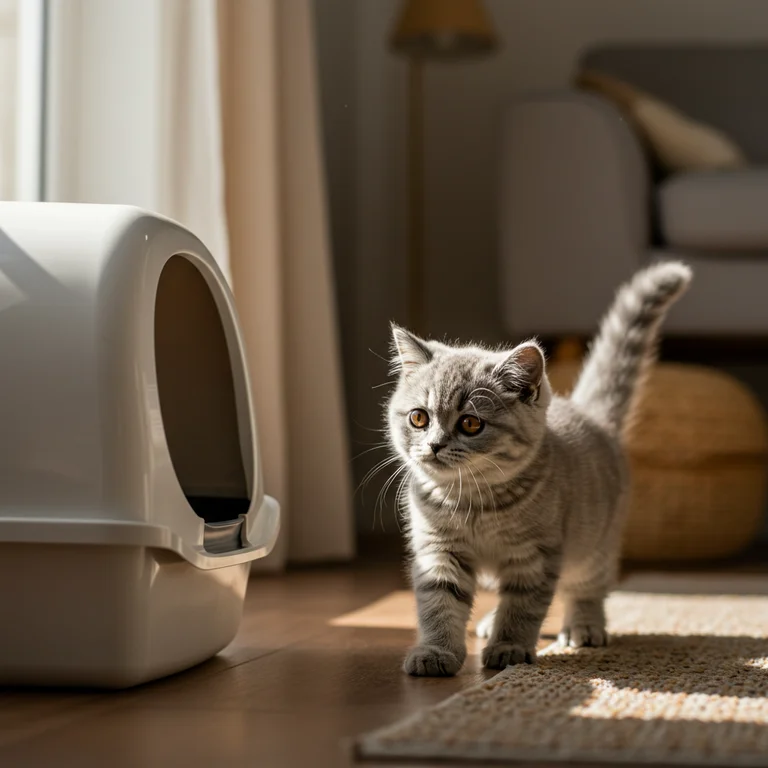
Most kittens take to litter box training very quickly. Here are some tips:
- Placement: Place the litter box in a quiet, easily accessible location.
- Type of Litter: Start with a soft, unscented litter that is gentle on your kitten's paws.
- Introduce the Litter Box: Place your kitten in the litter box after meals and naps.
- Consistency: Clean the litter box daily.
- Accidents: If your kitten has an accident, clean it up thoroughly with an enzymatic cleaner to remove the odor. Do not punish your kitten.
With patience and consistency, your kitten will quickly learn to use the litter box.
Socialization and Play
Socialization and play are crucial for your kitten's development. Here's how to help them become well-adjusted cats:
- Handling: Brush your kitten's fur several times a week to prevent mats and tangles.
- Exposure to People: Introduce your kitten to different people, sights, and sounds.
- Playtime: Provide plenty of opportunities for play. Interactive toys help develop coordination and hunting skills.
- Other Pets: If you have other pets, introduce them gradually and under supervision.
- Positive Reinforcement: Reward good behavior with praise and treats.
Early socialization will help your kitten grow into a confident and friendly adult cat.
Grooming Your Kitten
Regular grooming helps keep your kitten healthy and strengthens the bond between you. Here's what you need to do:
- Brushing: Brush your kitten's fur several times a week to prevent mats and tangles.
- Nail Trimming: Trim your kitten's nails regularly to prevent them from getting too long.
- Ear Cleaning: Check your kitten's ears regularly and clean them gently if needed.
- Dental Care: Get your kitten used to having their teeth brushed early on.
Make grooming a positive experience by being gentle and offering praise and treats.
Common Health Concerns
While kittens are generally healthy, they can be susceptible to certain health issues. Be aware of these common concerns:
- Upper Respiratory Infections (URIs): Kittens are prone to URIs, which can cause sneezing, coughing, and runny eyes.
- Gastrointestinal Issues: Diarrhea and vomiting can be common in kittens, often due to changes in diet or parasites.
- Parasites: Worms, fleas, and mites are common in kittens. Regular deworming and flea prevention are essential.
- Feline Panleukopenia: Also known as feline distemper, this is a serious and potentially fatal viral disease. Vaccination is crucial.
- Ringworm: This fungal infection can cause skin lesions and is contagious to humans.
If you notice any signs of illness, such as lethargy, loss of appetite, or difficulty breathing, contact your veterinarian immediately.
Find a cat companion with our quick, fun quiz!
Match me